People turning to BNPL loans to pay for rent, food and other necessities
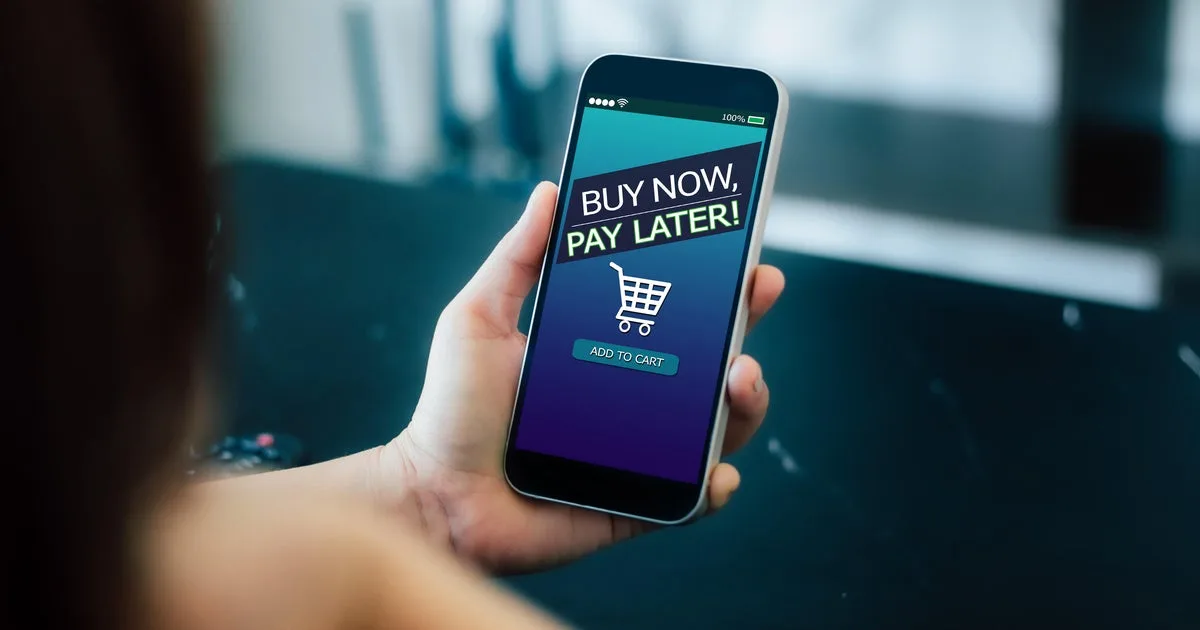
"Buy now, pay later" loans were originally promoted as a way to help consumers afford small purchases, such as electronics and clothing. Now, financial firms are also pushing the loans as a means for people to cover essential expenses, such as rent, groceries, electricity bills and even medical costs.
Consumer advocates warn that using BNPL loans for daily necessities and other critical expenses is risky, noting that lenders sometimes obscure the potential costs of these short-term loans. A recent poll from Protect Borrowers, a nonprofit advocacy group that investigates financial abuses, found that many BNPL users report using the loans for essentials, including for rental or housing costs.
Ariel Nelson, senior attorney at the National Consumer Law Center, a nonprofit advocacy group that supports economic justice for low-income people, said the growing usage of BNPL loans for rent and other necessities underlines how many Americans, depleted in recent years by high inflation, are struggling with the cost of living.
"The most helpful thing about them is what they reveal about the state of affordability — or unaffordability — in our country, which is that people are struggling to pay rent and utilities on time and in one amount," Nelson told CBS News. "At best, [BNPL loans] can act as a temporary Band-Aid. Even then, they are not risk-free."
BNPL loans first became available in the 2010s before gaining traction with consumers in the early 2020s. The loans allow consumers to divide larger purchases into smaller interest-free payments, typically in four installments over a few weeks or months.
A major reason for their popularity is that borrowers can get a loan on the spot at checkout, online or in stores by providing basic information and without a credit check.
Most BNPL lenders make money by charging a fixed monthly fee, plus a percentage of the loan amount. Often, the products don't charge late fees, although many lenders will decline applications for a new loan if a customer has previously been late on payments.
As a financial innovation, BNPL loans have been a huge hit, highlighting strong consumer demand for short-term installment loans available right at the point of sale. In 2025, Americans borrowed $160 billion in BNPL loans — roughly double the amount from two years earlier, according to research by Federal Reserve economists. More than $96 billion in loans was issued without interest, according to the report.
More than half of those borrowers — 54% — say they wouldn't be able to make ends meet without the loans, according to a recent survey from LendingTree , an online lending marketplace.
While users initially leaned on the loans to make "stretch" purchases like designer clothing or gaming consoles, consumers are now increasingly relying on them to cover necessities, Matt Schulz, chief credit analyst at LendingTree, told CBS News.
"BNPL lenders have done a really good job of making these types of loans accessible to pay for almost anything," he said.
Nearly 30% of BNPL users said they had used the products to pay for groceries, up from 14% two years ago, according to the LendingTree survey.
5News aggregated this summary from the outlet’s public feed. The full article, with all the context, is on www.cbsnews.com — the content belongs to CBS MoneyWatch.