Ship captains and crews transiting the Strait of Hormuz make so much danger pay that they’re ‘almost being viewed as mercenaries’
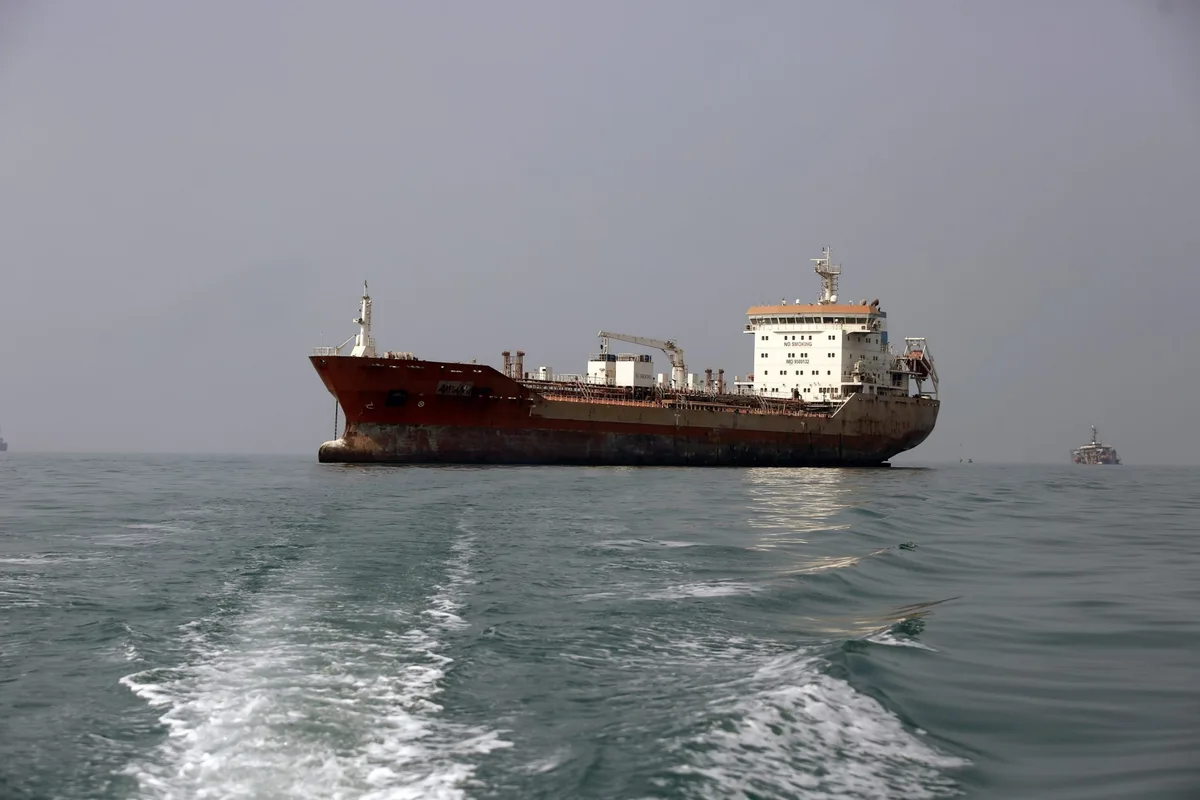
The high-risk, high-reward business of moving oil through the Strait of Hormuz has gotten riskier and more rewarding.
Despite steady attacks from Iran, oil tankers and other commercial vessels have continued flowing through the narrow waterway.
With protection from the U.S. military and help from pipelines bypassing the strait, Persian Gulf oil flows returned to prewar levels .
But seeking to reassert its leverage over the global oil chokepoint, Iran has stepped up drone and missile strikes on ships recently, including those outside the immediate vicinity of Hormuz.
While traffic has dipped in response, ships continue to cross, with many making shuttle runs in and out of the Gulf to unload oil cargoes via ship-to-ship transfers.
Then other vessels deliver the barrels to customers.
For those onboard the ships willing to tolerate the risks in the Gulf, a hefty payday awaits.
Tanker captains can earn $100,000 a month for transiting the strait, plus a $50,000 bonus for each trip, sources told the Financial Times .
That “danger money” is up from regular pay of about $15,000 a month, and is necessary for shipowners to keep their fleets crewed.
Meanwhile, sailors typically make at little as $1,500 a month.
But trips through Hormuz can bump up earnings by at least four to six times their normal rates, the report said.
Other hot spots also offer hazard enhancements, albeit less than what’s available for Hormuz trips.
According to the FT , captains and sailors get double pay in the southern Red Sea , where Houthis have been attacking Saudi ships, and in the Gulf of Oman, where many ship-to-ship transfers take place after Hormuz shuttle runs.
Because many ships and their crews are dedicated to the shuttle runs, they are in constant peril—allowing them to stack up all the bonuses and danger money for each trip.
5News aggregated this summary from the outlet’s public feed. The full article, with all the context, is on fortune.com — the content belongs to Fortune.