Thursday, October 15, 2026 SourcesAbout🌓
🇺🇸 US ▾
BREAKING
› The beloved Dyson Supersonic hair dryer is at its lowest price ever› Everything you need to know about Way Day 2023, Wayfair's biggest sale of the year› The 10 best Amazon deals to shop this week› The 2024 presidential alternative many voters will want› Dominion still has pending lawsuits against election deniers such as Rudy Giuliani and Sidney Powell› Russia is 'going backwards' in equipment and deploying post WWII-era tanks, according to Western officials› Podcast: One country musician is calling for other artists to oppose assault rifles› Bidets save you money and reduce waste — we tested the best options out there› 50+ products to make your life easier and our planet cleaner› Mother's Day is around the corner. Here are 50+ thoughtful gifts she'll love› The beloved Dyson Supersonic hair dryer is at its lowest price ever› Everything you need to know about Way Day 2023, Wayfair's biggest sale of the year› The 10 best Amazon deals to shop this week› The 2024 presidential alternative many voters will want› Dominion still has pending lawsuits against election deniers such as Rudy Giuliani and Sidney Powell› Russia is 'going backwards' in equipment and deploying post WWII-era tanks, according to Western officials› Podcast: One country musician is calling for other artists to oppose assault rifles› Bidets save you money and reduce waste — we tested the best options out there› 50+ products to make your life easier and our planet cleaner› Mother's Day is around the corner. Here are 50+ thoughtful gifts she'll love
Technology

Rewilding could help vulnerable islands keep pace with rising seas
Ars Technica ·
Rewilding could help vulnerable islands keep pace with rising seas

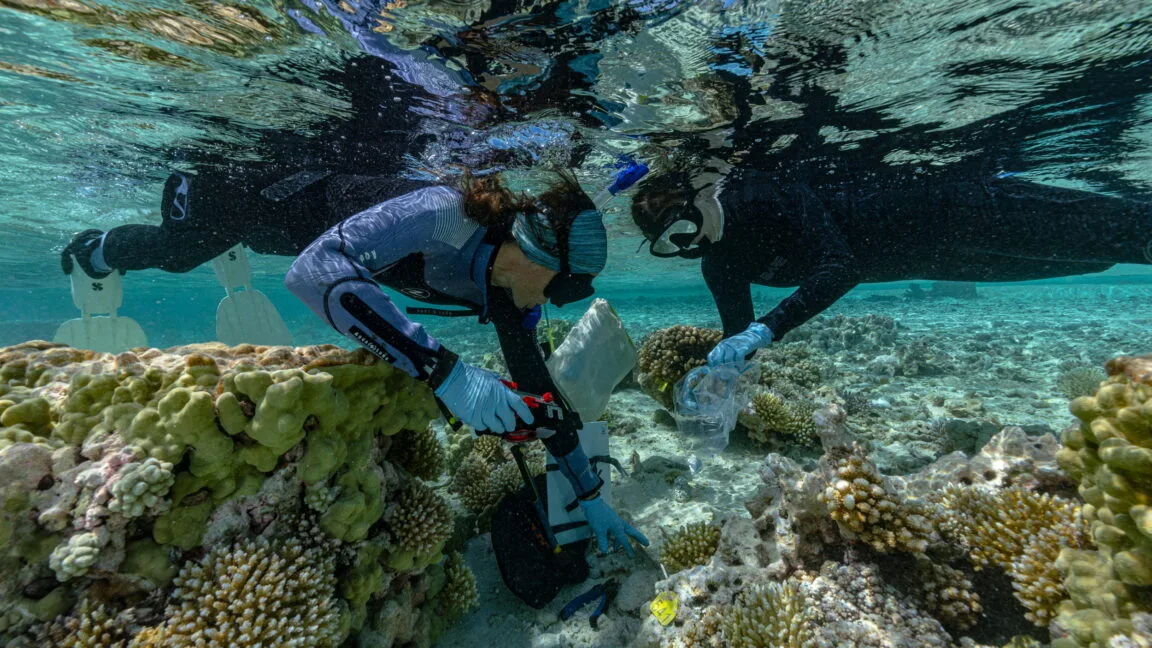
Coral-fringed tropical atolls are among the landforms most threatened by global warming, but many have a potential superpower: Healthy ecosystems may help them keep pace with rising seas.

Atoll islands with native vegetation and thriving seabird populations are “naturally active systems that can change and adapt to their environmental conditions if they are allowed to do so,” said Nick Graham , a marine ecologist at Lancaster University in the United Kingdom, who led an international team of scientists that studied island resilience across 28 atoll islands in the Pacific and Indian oceans.

Their paper, published Wednesday in Science Advances , shows that restoring atoll ecosystems reinforces their growth.

Seabirds ferry nutrients from the open ocean and deposit them on the atolls as guano that nurtures land plants, marine life and coral growth.

This provides more material for reef building, as parrotfish and other reef feeders turn dead coral into sand to maintain beaches, while native plants with extensive root networks stabilize sediments.

Read full article Comments

Read the full article on Ars Technica ›

5News aggregated this summary from the outlet’s public feed. The full article, with all the context, is on arstechnica.com — the content belongs to Ars Technica.


More from Ars Technica

See all ›

More in Technology

See all ›