Rising bond yields threaten to push up U.S. borrowing costs
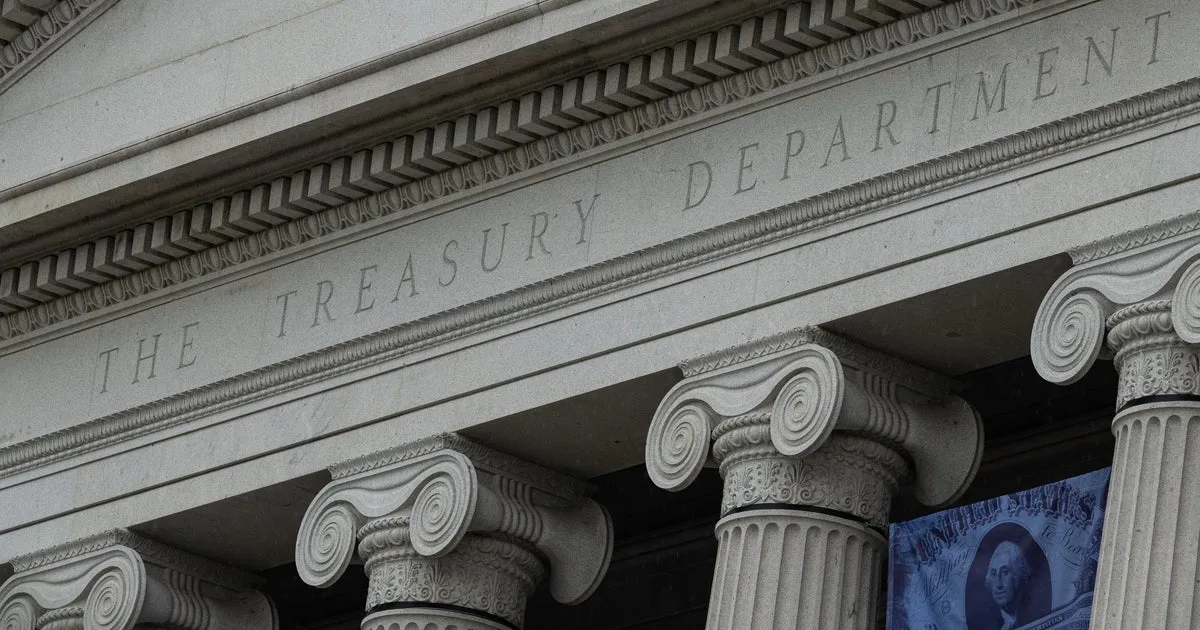
Treasury yields edged higher on Tuesday, extending a global bond sell-off and threatening to raise borrowing costs for millions of Americans.
The yield on the 10-year Treasury, which influences mortgage rates, rose to 4.78%, up from 4.75% late Monday and the highest level since January 2025. The yield on the 2-year Treasury, which closely tracks expectations for the Federal Reserve's interest rate decisions, rose to 4.37%, up from 4.34% late Monday. The 30-year Treasury hovered around 5.25% on Tuesday.
The global rout pushed a key Bloomberg gauge of bond yields to 3.72%, its highest level since June 2008. The sell-off is being driven partly by persistently higher inflation and concerns about government debt, prompting investors to demand higher yields as compensation for the added risk.
"Fiscal concerns, rising energy prices and AI-related investment have lifted long-term government bond yields across major economies to multi-decade highs," James Reilly, a senior markets economist at Capital Economics, said in a research note Tuesday.
Yields are rising as investors, spooked by inflation and rising government debt , dump their government bonds. Bond yields and prices move in opposite directions, with rising yields signaling that investors are demanding higher returns as investments grow increasingly risky.
Investors are also worried about rising energy prices as the U.S. and Iran continue to clash. The U.S. launched its military action against Iran in a month this weekend, causing oil prices to spike. Renewed tensions raised concerns that the war, now in its seventh month, could further fuel inflation and push up borrowing costs.
"The spike in borrowing costs comes as the latest flare-up in the U.S.-Iran war has raised concerns that central banks will hike interest rates to combat inflation from higher energy costs," Morningstar, an investment research company, said in a post on Tuesday.
Stubborn price pressures have been a concern for the Federal Reserve, which has sought to bring inflation down to its goal of a 2% annual pace. Last week, while speaking at the central bank's annual conference in Wyoming, Federal Reserve Chairman Kevin Warsh said the Fed will have "work to do" if inflation doesn't subside, suggesting that the Fed could be prepared to raise interest rates when it meets next from Sept. 15 to 16.
Interest rate traders now believe there's a 66% likelihood that the Fed will raise rates in September, according to CME Group's FedWatch tool.
Movements in the U.S. bond market influence what everyday Americans pay for loans and how much interest they earn on their savings accounts.
Higher government yields can deliver a blow to borrowers by pushing up costs for everything from auto loans to mortgages.
5News aggregated this summary from the outlet’s public feed. The full article, with all the context, is on www.cbsnews.com — the content belongs to CBS MoneyWatch.