Afghanistan marks 5 years under Taliban with safer streets, pleas for jobs, education
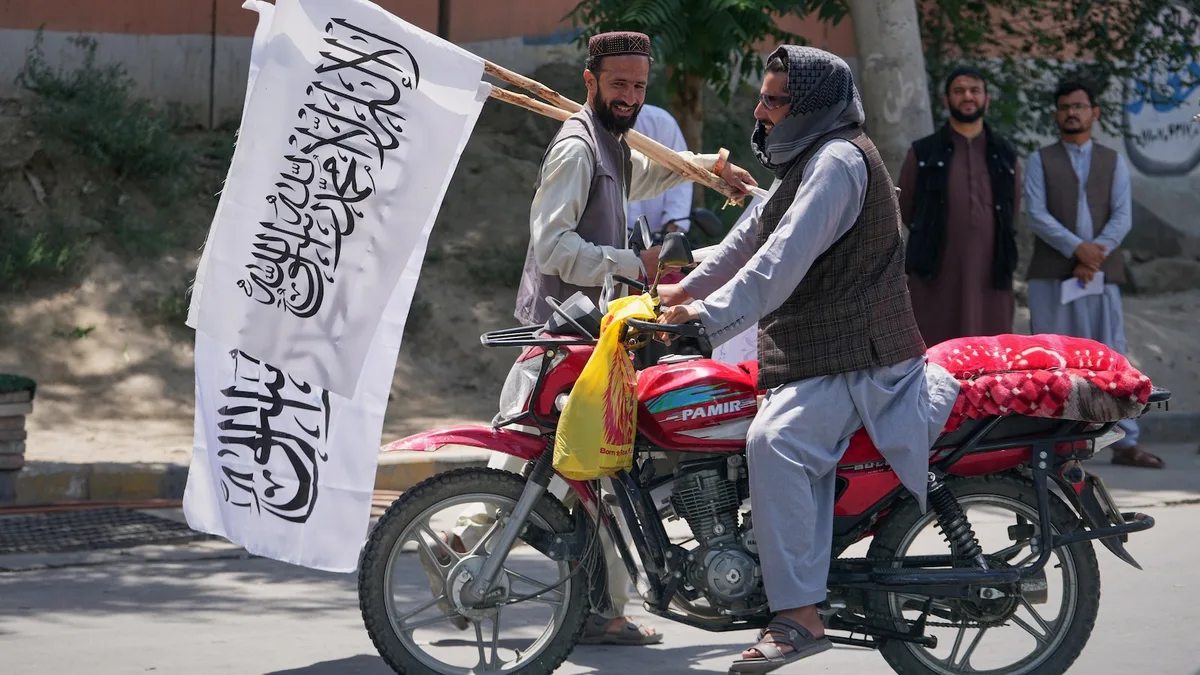
Afghanistan's Taliban rulers are marking five years since regaining power
KABUL, Afghanistan -- As Afghanistan’s Taliban rulers mark five years since sweeping back to power , some Kabul residents say they feel safer after decades of conflict and upheaval but stress the leaders should now focus on creating jobs and expanding access to schools in the country where girls above the age of 12 are banned from education .
The Taliban regained control of Afghanistan on Aug. 15, 2021, after it launched an offensive as the U.S. and other NATO troops withdrew from the country after two decades of war. The withdrawal led to chaotic scenes at and around Kabul’s airport with thousands wanting to leave.
“Thank God, the past five years have passed in safety,” said Mohammad Qasim, 30, reflecting on the anniversary that comes against a backdrop of economic hardship in a conflict-stricken country. “Our wish and hope from the government is to create job opportunities for the youth.”
“We, along with the entire nation, call upon the government to create employment opportunities for the youth and to encourage them to pursue education,” he added.
Before the takeover, the Taliban stated that, upon assuming power, it would allow women access to education, employment and public participation, albeit in accordance with its interpretation of Islamic principles.
Soon after it seized power, the Taliban imposed an indefinite ban on girls’ education beyond the sixth grade and, a few months later, also banned higher education for women until “further notice.”
Women also were banned from entering gyms, parks and public baths, from taking part in sports and traveling to distant locations without a “mahram,” or male guardian.
Taliban spokesperson Zabihullah Mujahid has repeatedly said the administration is working to establish conditions under which girls and women can attend classrooms or university campuses in line with Islamic Sharia laws. The restrictions, nevertheless, remain in force.
While the U.N. has acknowledged that the country has become more stable since the takeover, it has warned that lasting stability cannot be possible unless the Taliban rulers — who remain isolated internationally — lift restrictions on women and girls, protect basic rights and address terrorism concerns.
“A reduction in conflict has brought tangible benefits for many Afghans and created opportunities to focus on recovery, development and regional economic cooperation,” the United Nations Assistance Mission in Afghanistan, or UNAMA, said in a statement ahead of the anniversary. It added, however, that the restrictions on women and girls impede Afghanistan’s recovery and its reintegration with the international community.
In a statement this week, the U.N.'s agency on women’s rights, said Afghan women and girls are living under the world’s most severe restrictions , which not only violate their rights but also threaten the country’s social and economic future.
“Half a decade after the Taliban takeover in August 2021, Afghanistan has systematically dismantled the rights of half its population, making it a global outlier with no parallel in the modern world,” U.N.
5News aggregated this summary from the outlet’s public feed. The full article, with all the context, is on abcnews.go.com — the content belongs to ABC News International.