Why even a Democratic wave might not stop Trump
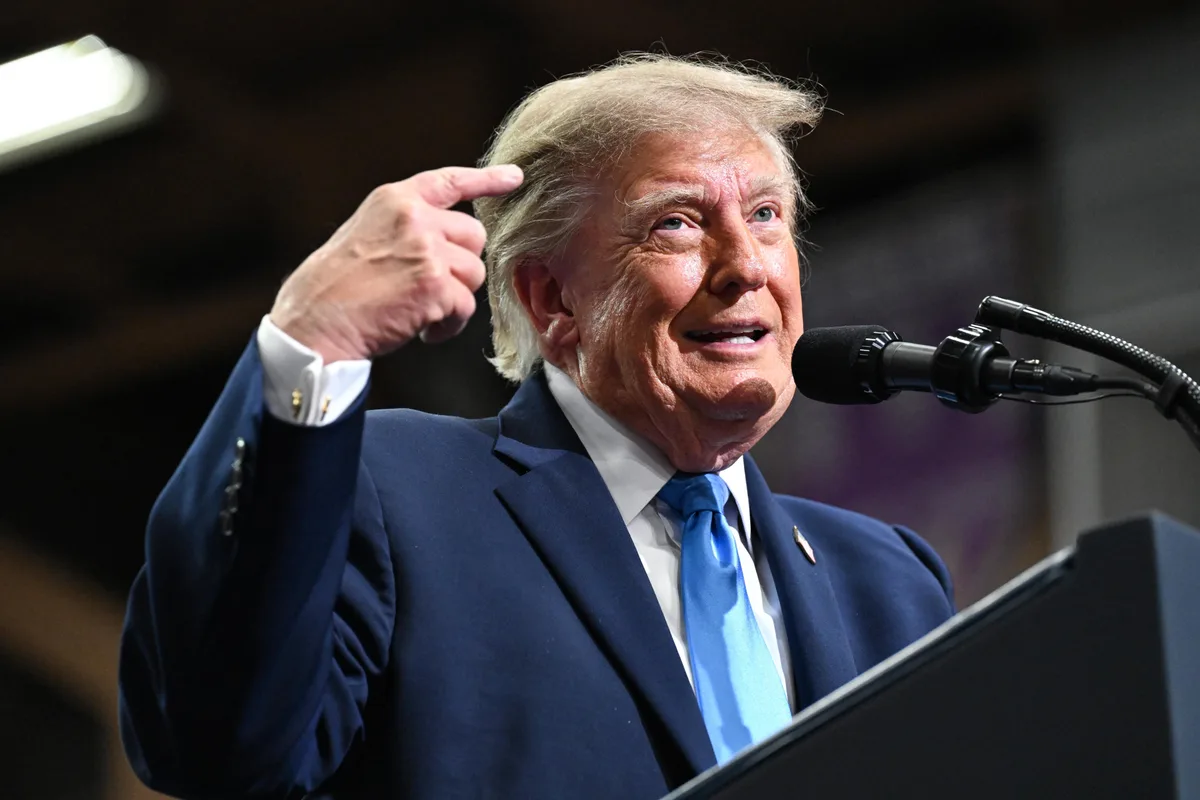
President Donald Trump speaks on stage at the Butler-Vandalia Student Activity Center during a campaign rally on October 3, 2026, in Vandalia, Ohio. | Roberto Schmidt/Getty Images Welcome to The Midterms, Actually.
Every week I’ll be writing about two things: one big idea or trend I see forming across the 2026 primaries, and one thing I’m hearing from a voice on the ground.
Let’s get into it.
One big idea: How much can Democrats slow down Trump? A tricky thing to communicate about the upcoming midterms is that, at the federal level, the impact may not be what’s expected, at least when it comes to slowing President Donald Trump’s agenda.
Hear me out.
Say the blue wave predicted by most polling materializes on November 3, and Democrats take the House and even squeak out a slim Senate majority.
What happens next? Does that stop Donald Trump from executing his agenda? Does the White House moderate its message in response to an electoral backlash? The evidence suggests no.
Because the backlash is real, the political incentives aren’t.
Let me explain: The numbers do look rough for the president.
Pew had his approval rating at 30 percent in a survey conducted September 28–October 4, the lowest of his second term, with Democrats up eight on the generic House ballot.
Reuters/Ipsos had him at 32 percent in early October.
Polling averages are a bit higher, roughly 37 percent to 39 percent depending on the aggregator.
Ballotpedia’s September average put Democrats at 50 percent on the generic ballot to Republicans’ 43 percent.
But none of that is moving him.
5News aggregated this summary from the outlet’s public feed. The full article, with all the context, is on www.vox.com — the content belongs to Vox.