‘How many canaries have we killed in the coal mine?’ — Wall Street debates if the latest AI bubble warnings are another head fake or the real thing
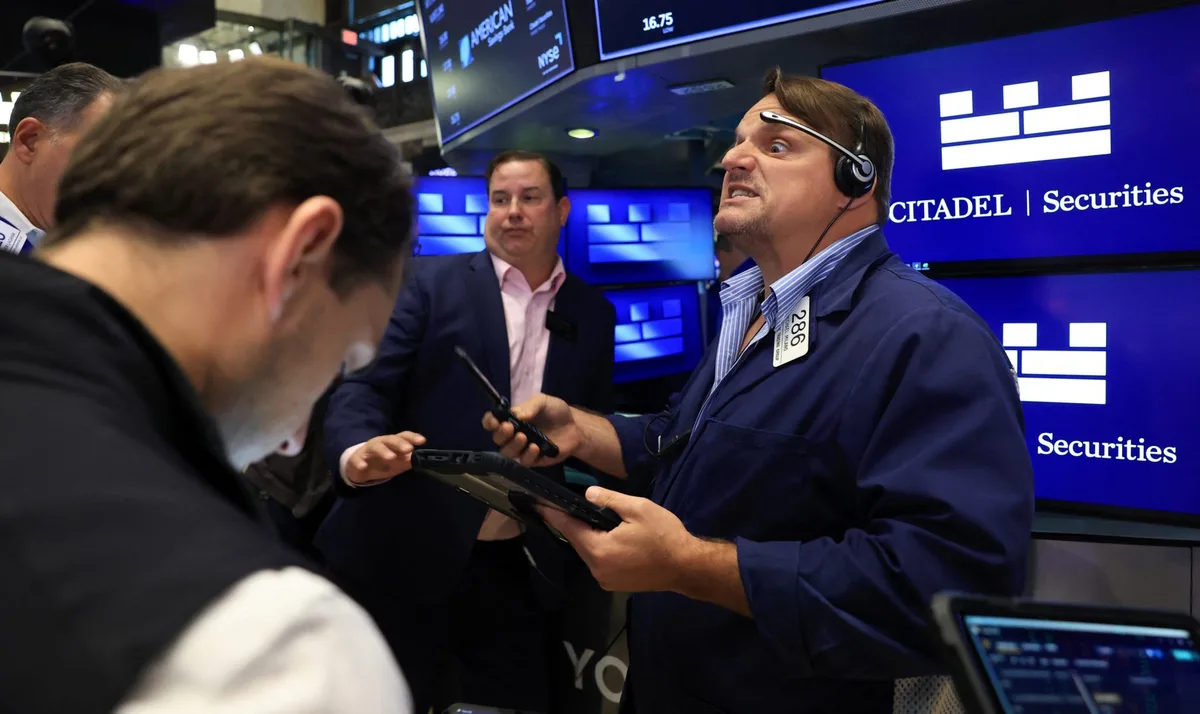
Since the advent of OpenAI’s ChatGPT in late 2022, the list of possible indicators that the AI boom was about to go bust is long and keeps getting longer, leaving Wall Street asking each time if the end is finally near.
For instance, whenever AI chip giant Nvidia saw its market cap cross the $2 trillion, $3 trillion, $4 trillion or $5 trillion milestones, bears sounded the alarm.
The borrowing binge by AI hyperscalers and their astronomical capital spending plans raised more red flags.
The DeepSeek shock in early 2025 triggered another freakout as the Chinese AI model stirred doubts about the necessity of all that capex.
Also last year, OpenAI CEO Sam Altman’s admission that an AI bubble exists and Michael Burry’s bearish bets represented more red flags.
This year, the Iran war, the South Korean stock market’s meltdown, and “circular” funding deals between AI companies added to the fears.
But earnings continued to soar, and stocks eventually rebounded to set record high after record high.
Of course, the persistence of traders to keep doubling down on AI could also be a sign of a bubble.
Many on Wall Street also acknowledge that the good times will come to an end at some point.
The only question is how long to ride the AI bets without leaving money on the table.
Now there’s a new reason to wonder if it’s time to cash out.
The current AI angst centers around whether the trillions of dollars in AI spending will pay off sufficiently, dragging down debt-laden companies like CoreWeave.
The neoclound computing firm saw its stock tumble and credit default swaps surge recently.
For Dan Greenhaus, strategist at Solus Alternative Asset Management, CoreWeave isn’t a canary in the coal mine that signals the AI bust is imminent.
5News aggregated this summary from the outlet’s public feed. The full article, with all the context, is on fortune.com — the content belongs to Fortune.