I invented the text-message restaurant order in 2005. Twenty years later, I know what comes next
In 2005, two years before the iPhone came out, I was standing in a coffee line on my morning commute, watching everyone ahead of me go through the motions: order, wait, pay, wait some more.
I thought there had to be a faster, better way to get my coffee.
So I built one: the first text-message order for restaurants, years before smartphones made “ordering ahead” a category.
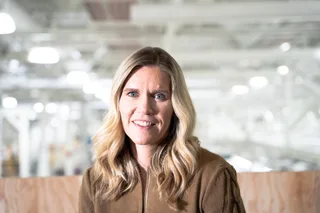
Over 20 years later, I’m the founder and CEO of Olo, the restaurant commerce platform behind 800-plus restaurant brands across 90,000-plus locations, including Shake Shack, Waffle House, Cracker Barrel, Five Guys, and Panda Express.
I’ve spent two decades watching the restaurant industry innovate and iterate the ordering experience, and I’m confident now is the time for a completely new direction.
Here’s the problem restaurants and their guests have lived with since digital ordering went mainstream: they’ve only ever had two choices, and both come with a catch.
The first choice is third-party marketplaces, broadly known by consumers as delivery apps.
When COVID hit and digital ordering became a necessity overnight, these platforms were the fastest way for restaurants to keep serving guests.
And they worked.
But the commissions these platforms charge, up to 30% per order, didn’t disappear after the pandemic.
Today, 82% of brands are marking up menu prices on these platforms just to offset the fees, and more than half of those markups run 20% to 30%.
That’s a tough ask for guests already stretched by rising costs, and a worse deal for restaurants: every order placed on a marketplace belongs to a guest the restaurant has to pay to reach again because it never owned that guest’s data in the first place.
I call that a rented guest.
Rent keeps the lights on, but it doesn’t build equity.
5News aggregated this summary from the outlet’s public feed. The full article, with all the context, is on fortune.com — the content belongs to Fortune.