Why the AI economy is like a bad dating app — drowning in decks, pilot purgatory — and it’s playing out like the dotcom bubble, except worse
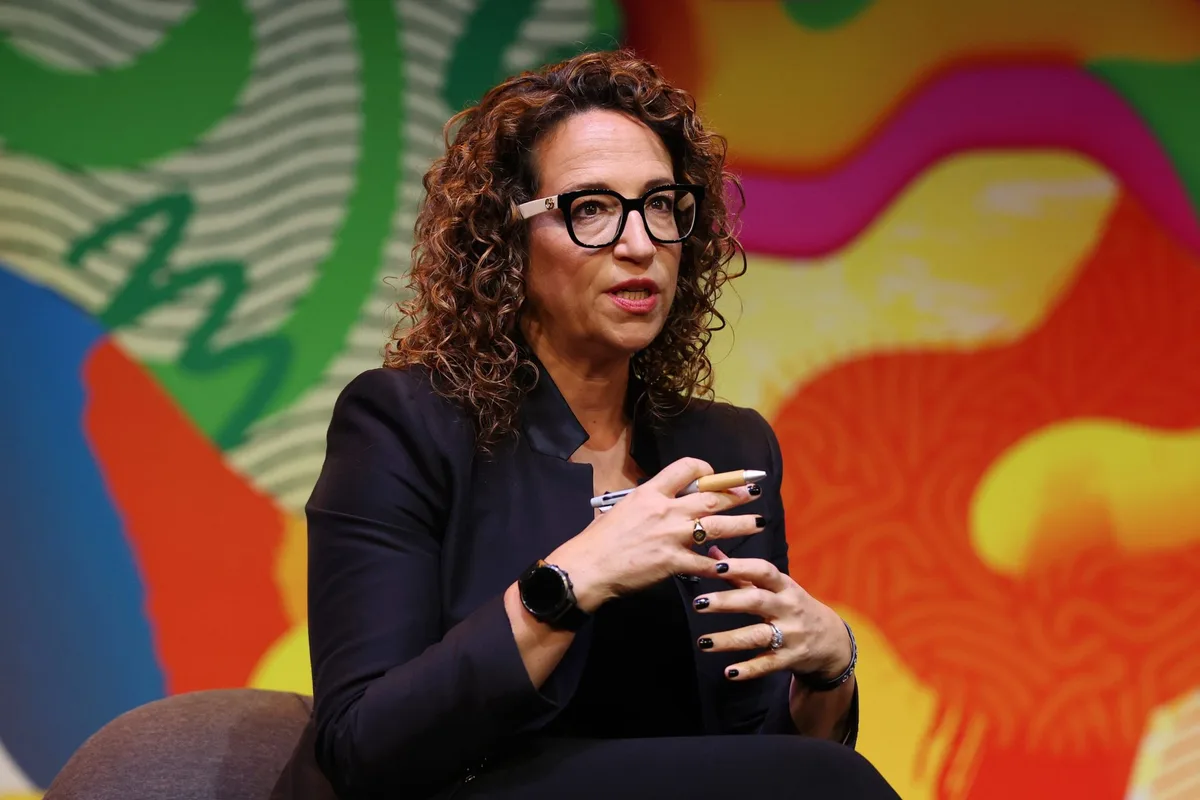
Amy Webb was on her long Sunday bike ride, the one she takes when she’s not training for a race, when the thought arrived fully formed.
As she posted on LinkedIn recently: every CEO she talks to is buying abundance, and none are budgeting for the cost of abundance.
And she talks to CEOs every day for a living.
Webb, 51, runs the Future Today Strategy Group, the foresight and consulting firm she founded in 2006 after a career in data journalism that led to her subsequent interest in machine learning.
Webb, who also teaches at NYU’s Stern School of Business, published The Big Nine , which named nine American and Chinese tech giants as forces that would dominate in a world marked by artificial intelligence and a full-scale tech cold war, so she’s used to being ahead of her time, and she’s used to being frustrated by the world being behind the schedule she sees in her head.
So when Webb told Fortune that she sees something like a bust coming for corporate AI spending, it’s worth pausing on the precise dynamic she’s describing.
“AI is making production cheap,” she said, “but it’s making everything else in companies much more expensive.” The corporate world, she added, is going through something like what millennials and Gen Zers experienced as dating-app fatigue.
“The best thing [for a dating app] is to never get married,” Webb said, adding that she sees the same thing playing out in the endless series of generative AI pilots.
She said executives tell her they’re in “pilot purgatory”: dealing with unending pilots and “enormous productivity but [they’re] not sure what to do with that.” Venture capitalist Marc Andreessen , meanwhile, said in March that large companies are overstaffed by as much as 75% and were using AI as a “silver bullet excuse” for cuts that reflect pandemic-era overhiring.
A separate analysis by Oxford Economics found AI-cited layoffs accounted for a mere 4.5% of total U.S. job losses despite outsized headlines. ‘It feels like you’re buying abundance’ Webb, who speaks with between 100 and 150 CEOs a year, said she’s most focused on a bubble that sits apart from what’s happening on Wall Street: the strange way that AI is deforming work without actually changing it much at all.
“It feels like you’re getting a lot when you invest in AI,” Webb said, “it feels like you’re buying abundance.
But that abundance ends up costing much more down the road.” It’s not a question of long-term investment versus short-term gains, an old business trade-off.
“This is immediate satisfaction, followed by: can I productize this? Can I put it in a workflow?” AI is making companies feel like they’re winning, a sensation of “I’m getting away with it,” and that’s driving a lot of enthusiasm and adoption.
5News aggregated this summary from the outlet’s public feed. The full article, with all the context, is on fortune.com — the content belongs to Fortune.