What Trump's Most-Favored-Nation Deal Means for Drug Prices
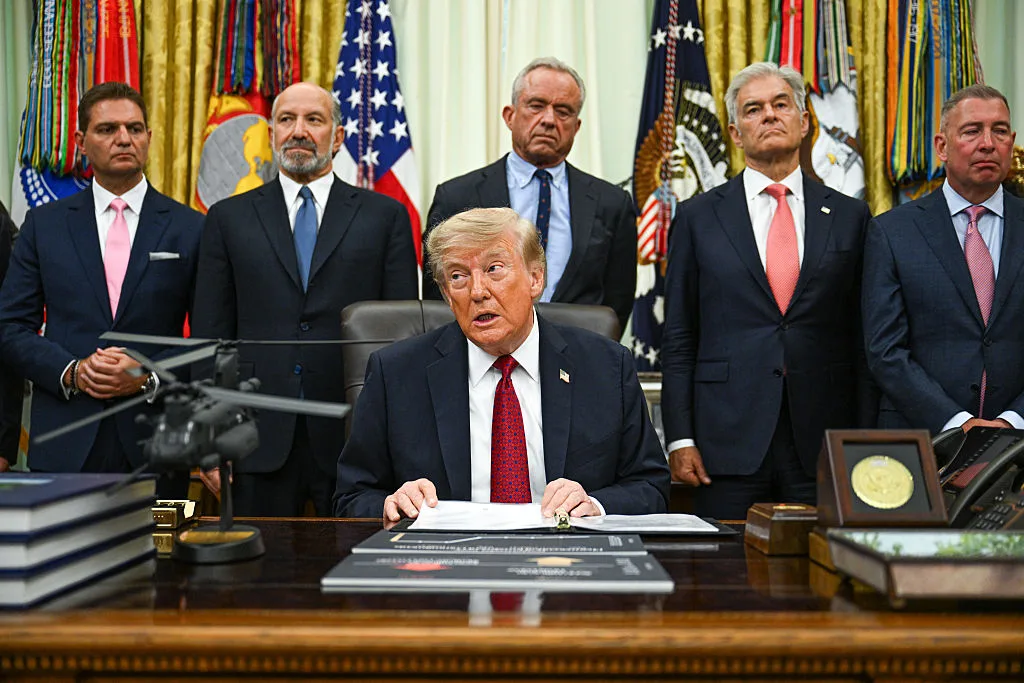
President Donald Trump speaks in the Oval Office of the White House on Aug.
31, 2026. —Annabelle Gordon/CNP/Bloomberg—Getty Images The Trump Administration on Aug.
31 announced that nine mid-sized pharmaceutical companies had agreed to lower the prices that Medicaid programs pay for drugs, bringing the total number of companies that made deals to lower prices to 26.
The agreements are for so-called “most-favored-nation” prices, meaning that Medicaid will pay the same prices for drugs that other countries, primarily in Europe, pay.
The Trump Administration also said that some most-favored-nation prices would be available on TrumpRx.gov , where patients can access drugs by paying cash rather than going through insurance.
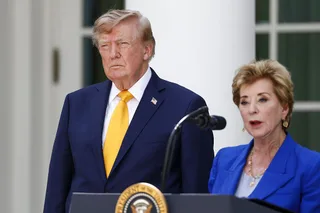
“For decades, Americans paid the highest drug prices anywhere in the world by far,” Trump said at a press conference, where executives from the new companies stood behind him.
“We now pay the lowest price paid by other countries anywhere in the world.” The nine companies—Alcon, Astellas Pharma, BeOne Medicines, BridgeBio, CSL, Kyowa Kirin, Sun Pharma, Teva Pharmaceuticals, and UCB—are in addition to the 17 drug companies that agreed to most-favored-nation deals at the end of 2025.
The administration says that these deals cover 90% of the drugs used by Americans.
Companies have also agreed to move some pharmaceutical production to the U.S., the administration said.
In exchange, the companies will receive relief from pharmaceutical tariffs.
Lowering drug prices has been a top priority for the Trump Administration.
Research from 2024 suggests that people in the U.S. pay 3-4 times what consumers in other countries pay for the same drugs.
On May 12, 2025, President Trump signed an executive order directing the administration to take steps to bring American drug prices in line with those paid in comparable countries.
He then sent letters in July to 17 leading pharmaceutical manufacturers outlining steps they should take to bring down their prices.
5News aggregated this summary from the outlet’s public feed. The full article, with all the context, is on time.com — the content belongs to TIME.