We’re Living in the World Dolly Parton Built
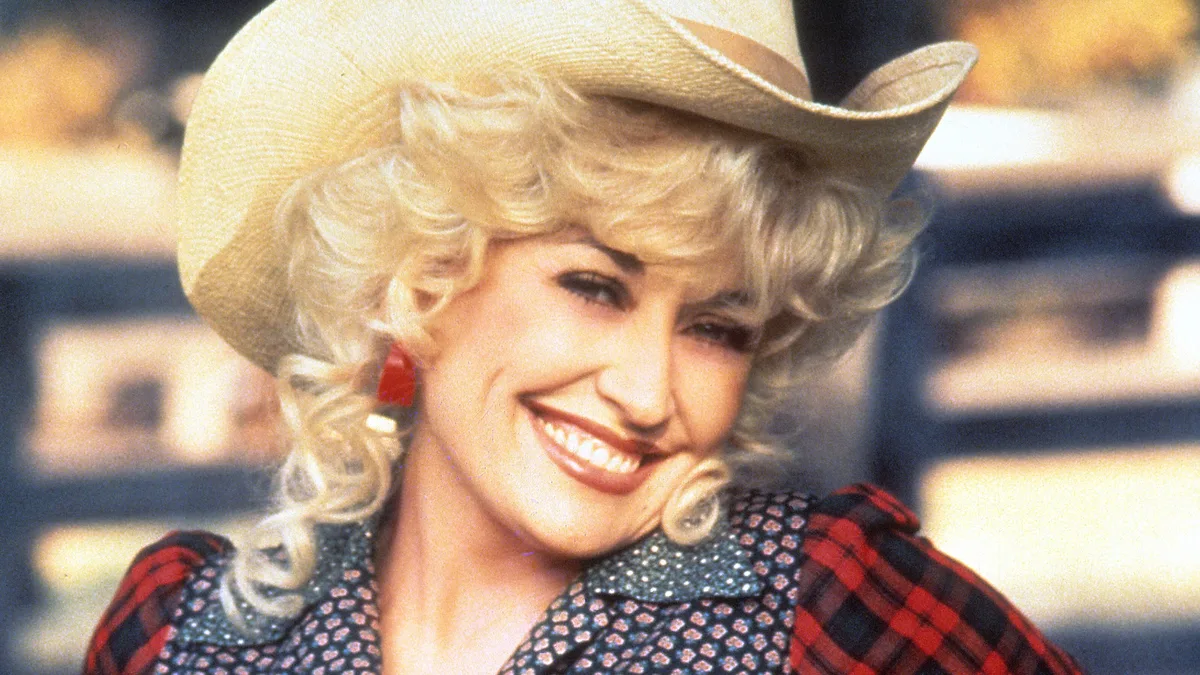
Dolly Parton’s death at age 80 comes at a time when her influence seems at its peak.
Country music is surging, female singer-songwriters are on top, and audiences seem hungry for honest idiosyncracy—for figures who, like Dolly, transmit their inner truth to mass audiences in a voice that’s clear yet scraggly.
But Parton’s greatest legacy is existential in nature.
Piling on wigs and feathers, she showed that you can be yourself while playing a character.
Parton’s self-construction project began in her childhood.
She was born the fourth of 12 kids in a tiny cabin in Pittman Center, Tennessee.
Her parents were so poor that they paid the doctor who delivered her with a sack of cornmeal.
As a girl, she sang songs on her porch into a fake mic fashioned from a tin can and a tobacco stick, envisioning herself at the Grand Ole Opry.
Her talent drew attention from local radio and TV personalities, and by age 13, she was singing on the real Opry stage.
The craftiness and self-consciousness that came from growing up impoverished shaped her outlook for life.
As she’d sing in her 1971 song “Coat of Many Colors”—her signature (and favorite) hit—her mother used to sew rags into garments that the young Parton would flaunt at school.
Mockery from other kids taught her the lesson in self-determination that she’d turn into one of her defining lyrics: “One is only poor only if they choose to be.” As a young woman, she modeled her fashion off a “town tramp”—as she later put it —whom she’d grown up around.
Her preacher grandfather whipped her for dressing that way, but to her, women with heels and push-up bras weren’t trashy; they were glamorous and confident.
A fascination with stereotypes—with fulfilling them and subverting them—gave her an edge when she moved to Nashville.
5News aggregated this summary from the outlet’s public feed. The full article, with all the context, is on www.theatlantic.com — the content belongs to The Atlantic.