First-of-its-kind clinic treats psychedelic side effects
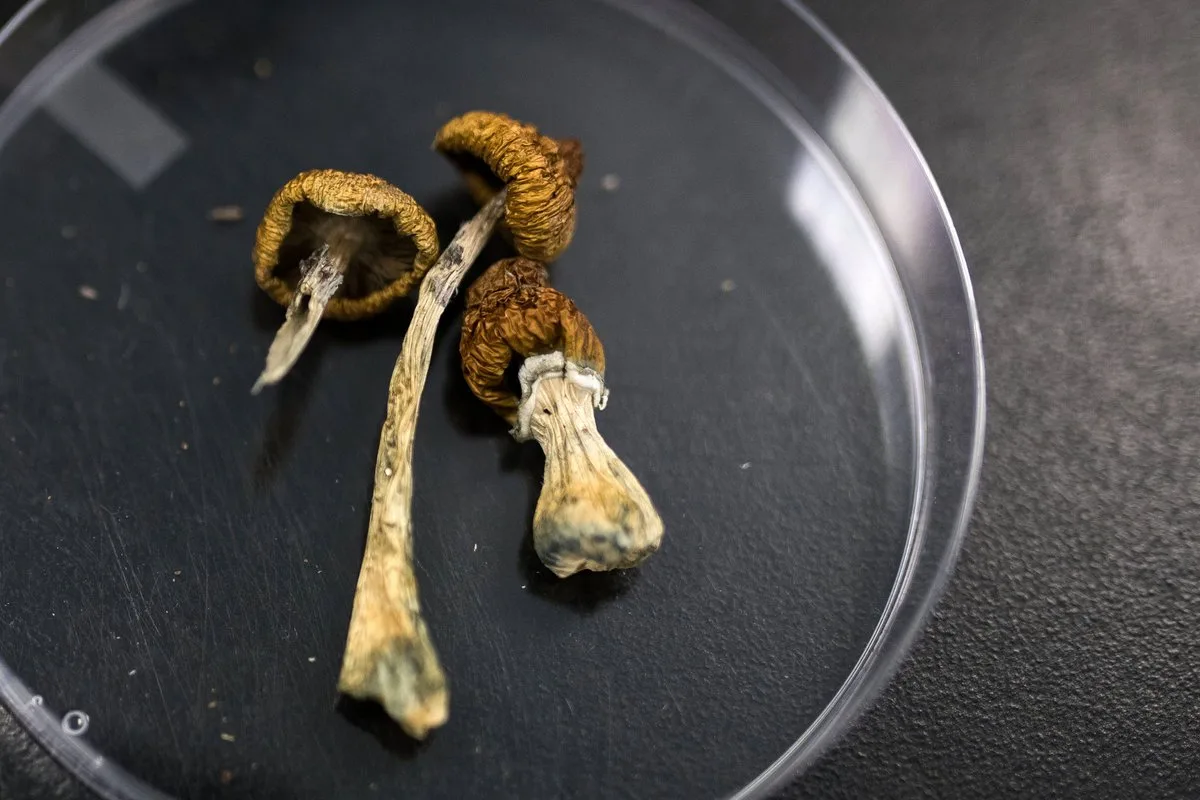
As psychedelic therapies expand, new clinics treat uncommon long-term harms
The use of psychedelics is growing in the U.S. as states move to legalize the drugs and the federal government increases its support for research into their use in treating mental health conditions. A recent survey found that a majority of Americans support psychedelic use for medical reasons. Psilocybin and MDMA in particular have shown promise in treating post-traumatic stress disorder and treatment-resistant depression .
But psychedelics come with risks. Studies have shown that hallucinogens such as psilocybin can trigger manic episodes and bipolar disorder even in people without a history of such concerns. And their use may lead to rare but long-lasting perceptual disturbances.
Last year Johns Hopkins University in Baltimore, known for its psychedelic research, opened the Clinic for Post-Psychedelic Difficulties, the first clinic in the U.S. to specifically study and treat long-term side effects triggered by psychedelic use. Researchers say it’s an important step in addressing and acknowledging the rare adverse events psychedelics can cause. Another clinic to treat psychedelic-related adverse events is expected to open at Emory University in Atlanta this year, according to university officials.
If you're enjoying this article, consider supporting our award-winning journalism by subscribing . By purchasing a subscription you are helping to ensure the future of impactful stories about the discoveries and ideas shaping our world today.
Psychiatrist Azin Bekhrad, who co-founded and runs the Johns Hopkins clinic in Baltimore, says the goal is to have a network of providers who communicate and collaborate to address “challenging patients and challenging cases.” She says she co-founded the clinic because these serious outcomes remain poorly studied.
One other outpatient clinic dedicated to postpsychedelic difficulties was founded in Berlin in 2017, according to the center’s director, psychiatrist Tomislav Majić. He says that the center typically sees between 150 and 200 patients a year, including telehealth consultations from around the world. Meanwhile the Clinic for Post-Psychedelic Difficulties saw 10 patients in its first year, with services limited to in-person visits or in-state telehealth, Bekhrad says.
For the most part, the Baltimore clinic’s patients are split into two groups, Bekhrad says. Some become manic or psychotic after having a psychedelic experience, sometimes including other drugs or alcohol, she says. Others are referred by their primary care doctors or an ophthalmologist. That’s because about half of the patients suffer from a rare reaction called hallucinogen persisting perception disorder (HPPD) , which often appears as a visual disturbance, Bekhrad says.
5News aggregated this summary from the outlet’s public feed. The full article, with all the context, is on www.scientificamerican.com — the content belongs to Scientific American.