Saturday, October 17, 2026 SourcesAbout🌓
🇺🇸 US ▾
BREAKING
› Jerry Seinfeld turns tables on radical anti-Israel agitators after chaotic Chicago stunt backfires› Dominion still has pending lawsuits against election deniers such as Rudy Giuliani and Sidney Powell› Russia is 'going backwards' in equipment and deploying post WWII-era tanks, according to Western officials› Podcast: One country musician is calling for other artists to oppose assault rifles› Bidets save you money and reduce waste — we tested the best options out there› 50+ products to make your life easier and our planet cleaner› Mother's Day is around the corner. Here are 50+ thoughtful gifts she'll love› A head-to-toe guide of how men should dress this spring, and where they should shop› 42 of the most useful travel products you can buy on Amazon› The 7 best high-yield savings accounts of April 2023› Jerry Seinfeld turns tables on radical anti-Israel agitators after chaotic Chicago stunt backfires› Dominion still has pending lawsuits against election deniers such as Rudy Giuliani and Sidney Powell› Russia is 'going backwards' in equipment and deploying post WWII-era tanks, according to Western officials› Podcast: One country musician is calling for other artists to oppose assault rifles› Bidets save you money and reduce waste — we tested the best options out there› 50+ products to make your life easier and our planet cleaner› Mother's Day is around the corner. Here are 50+ thoughtful gifts she'll love› A head-to-toe guide of how men should dress this spring, and where they should shop› 42 of the most useful travel products you can buy on Amazon› The 7 best high-yield savings accounts of April 2023
Latest

That Y2K feeling: Why today's economy resembles 2000
Axios ·
That Y2K feeling: Why today's economy resembles 2000

It was an economy bursting at the seams: robust growth powered by a tech boom, low unemployment, elevated inflation and Fed rate hikes to try to cool things down.

The big picture: That was the situation in the year 2000, and it reminds us a great deal of the conditions in 2026.

The worrying part, however, is this: Then, as now, there were early warning signs that the technological boom powering the good times may not last forever.

And indeed, the cracks that appeared in the tech sector in 2000 would spill over into a broader bear market and mild recession in 2001.

We're not predicting that this time.

History only rhymes; it doesn't repeat.

But it is a historical episode worth weighing when thinking about the range of possibilities for how things may go in 2027 and beyond — particularly this week, as the debt markets funding the AI build-out have wobbled.

Flashback: While 2001 was a nasty year for the U.S. economy — a full-fledged tech bust exacerbated by the Sept.

11 terrorist attacks — the year before was pretty great by nearly every measure.

The unemployment rate reached a multi-decade low of 3.8% in April 2000 and closed the year at a mere 3.9%.

GDP rose 4.1% for the full year, powered by stunning rates of productivity growth.

It coincided, however, with high inflation, driven particularly by surging energy costs.

The Consumer Price Index was up 3.4% over the course of the year.

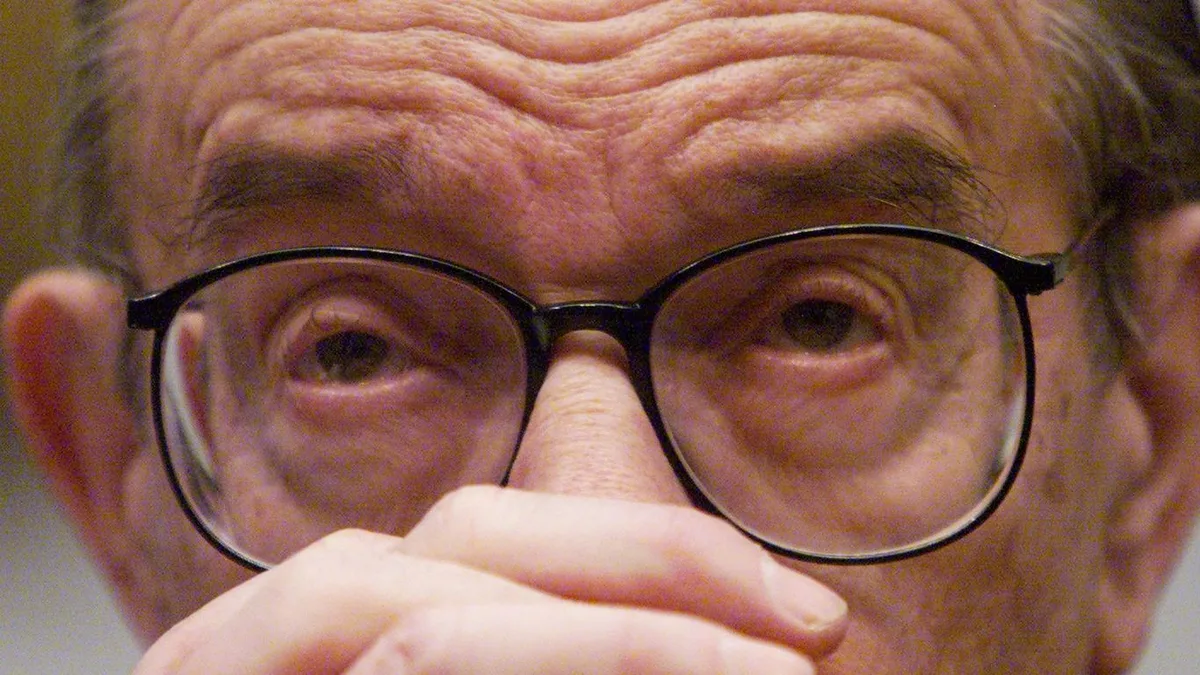
Zoom in: Against that backdrop, the Alan Greenspan-led Fed felt compelled to try to cool things down, lest that inflation become more entrenched.

Read the full article on Axios ›

5News aggregated this summary from the outlet’s public feed. The full article, with all the context, is on www.axios.com — the content belongs to Axios.


More from Axios

See all ›

More in Latest

See all ›