Spain Is Ready for an Extraordinary Run of Eclipses
Normal days in Spain can suddenly turn otherworldly.
On a trip to Málaga in April, for instance, during Semana Santa, my friends and I happened upon a midnight procession of about 50 men in hoods who were carrying a 1,000-pound sculpture of a crucified Jesus Christ on their shoulders, lit by hundreds of candles that swayed with every step they took.
But starting tomorrow, Spain’s regular drumbeat of fairs, street parties, and patron-saint festivals will be accompanied by improbable astrological luck.
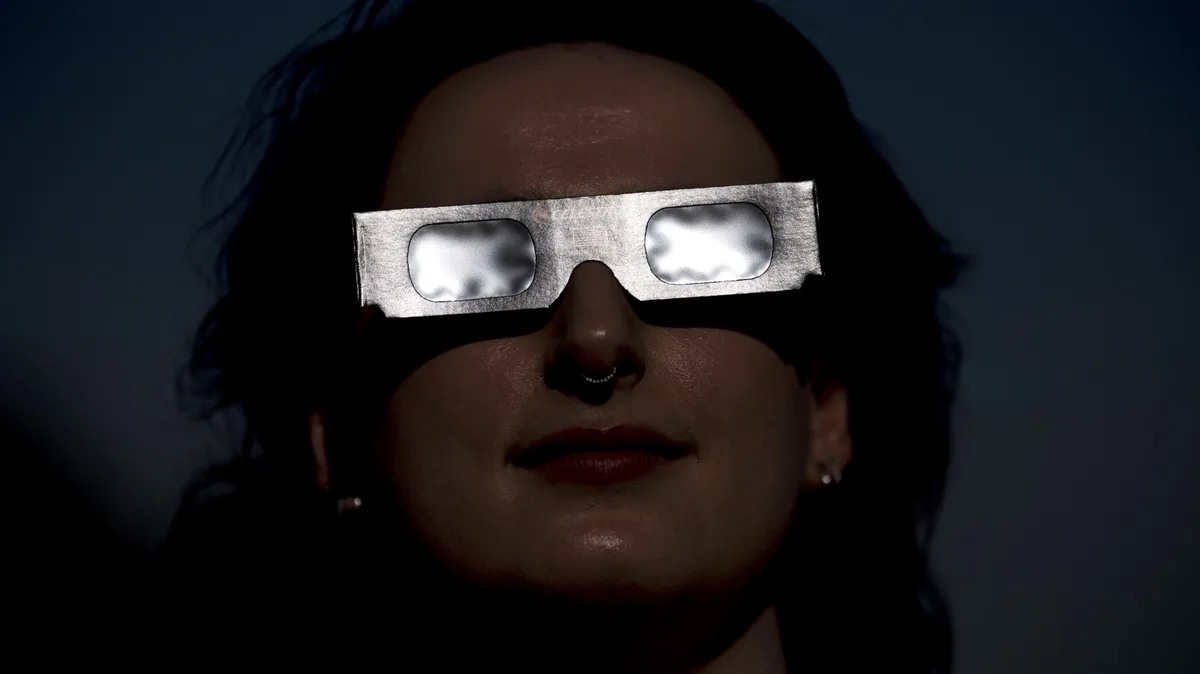
After a century of no total solar eclipses over the Iberian Peninsula, and none in mainland Europe in the 21st century so far, three solar eclipses will be observable from Spain in the next 500 days or so.
This is “very, very unusual,” Sandra Benitez Herrera, the head of science communication and education at the European Space Agency, told the German broadcaster DW last month.
It will also probably be a lot of fun.
The Spanish government expects hundreds of thousands of astrotourists—including me—for Eclipse Number One this week.
In most places on the path of totality, the sun will be fully eclipsed for about a minute or two, which makes this the shortest of the three celestial events.
But totality will hit at sunset, a coincidence that amplifies the experience of the eclipse and occurs only about once in a decade globally, Kelsey Johnson, an astrophysicist and the former president of the American Astronomical Society, told me.
The shadows will feel strange, she said: Sunset already makes shadows long, and the eclipse will add its own distortions, including the white squiggles of light that sometimes coat the ground just before totality.
Then, after the sun has set, people can gawk at the 60 to 100 meteors that are expected an hour, as the Perseid meteor shower peaks against the blank slate of a new moon.
Madrid and Barcelona will see 99 percent totality, but, as Annie Dillard wrote in her classic 1982 essay , “seeing a partial eclipse bears the same relation to seeing a total eclipse as kissing a man does to marrying him.” So eclipse chasers are traveling to smaller towns that will go completely dark, where visitors are liable to encounter the particularities of Spanish August.
This is the month when Spaniards return from cities to their hometowns, and the heat makes people nocturnal.
They throw summer festivals, put on concerts, and release the bulls.
5News aggregated this summary from the outlet’s public feed. The full article, with all the context, is on www.theatlantic.com — the content belongs to The Atlantic.