Reggie Watts Is a Prominent Ketamine Advocate. Was It His Ex’s ‘Undoing’?
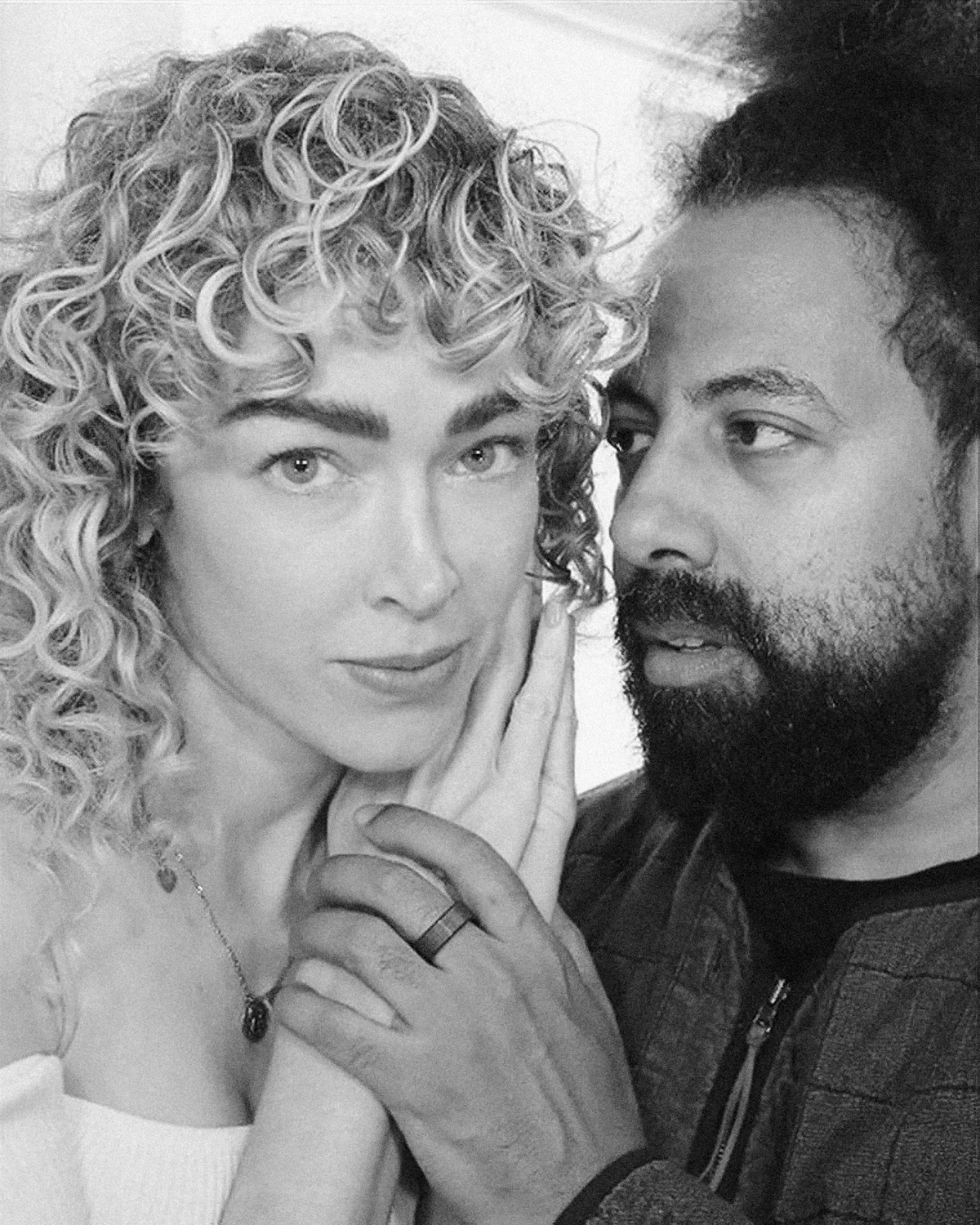
I n a backyard in the valleys of Los Angeles, a crowd of 60 people gathered to celebrate the life of Katherine Early McCollough.
Family members, longtime friends, colleagues, and even an ex-boyfriend, who hosted the gathering at his home, spent the evening drying tears and laughing as they exchanged memories of McCollough: how she always forgot her keys, her silly made-up language that they somehow all became fluent in, and the sheer magic that was Kat.
But the obvious hung in the air, unsaid. In recent months, McCollough had become gaunt. The sparkle in her eyes had dulled and her smile seemed forced. A mind that got into Cornell Law School, earning a near-perfect LSAT score on her first try, had grown increasingly spacey. Friends struggled to come to terms with how, in the span of around two years, McCollough developed a once-unimaginable addiction to ketamine. And how the figure who had loomed largest over the 36-year-old’s life was now absent: her most recent ex-boyfriend, Reggie Watts .
Had it not been for McCollough’s all-consuming relationship with the popular musician and comedian, nine of her close friends and sister tell Rolling Stone, they believe she would still be alive. They say that McCollough, to quote one friend, wouldn’t have “fried” her brain without Watts’ encouragement to take a heavy array of psychedelics and designer drugs in the name of intimacy and enlightenment. And that following McCollough’s drug-induced manic episode, which prompted Watts to break up with her, a despondent McCollough wouldn’t have secretly traveled to Peru in March to take her life.
“I would call it recklessness,” Lacey Valentini, one of McCollough’s closest friends, says, labeling Watts’ enthusiastic promotion of ketamine and other substances as dangerous. “I’m so afraid that him being so cavalier is going to lead to irreparable harm or death of another person.”
Watts declined Rolling Stone ’s multiple requests for an interview and did not specifically address a majority of questions posed to him in a detailed request for comment. However, his attorney, Andrew Brettler, said it was “dangerously false” and a “preconceived narrative” to suggest that Watts was responsible for McCollough’s suicide. Brettler also pushed back on Watts’ alleged prodding of McCollough to take drugs with him, claiming she was already an “experienced” drug user. “Ms. McCollough did not need any so-called ‘encouragement’ from him,” Brettler said in a statement. Editor’s picks The 250 Greatest Albums of the 21st Century So Far The 100 Best TV Episodes of All Time The 500 Greatest Albums of All Time 100 Best Movies of the 21st Century
Still, five women who previously dated Watts tell Rolling Stone they recognize elements of their own experience in how McCollough’s friends describe her relationship with the comedian: Watts’ needs prioritized above their own, the chipping away at their self-confidence, and the prompting to take substances with him.
“I do feel like he’s not who he projects himself to be publicly, and I’ve seen many people hurt or mishandled in their relationship with him,” says Anna, who dated Watts in 2018 and was part of his larger friend group.
5News aggregated this summary from the outlet’s public feed. The full article, with all the context, is on www.rollingstone.com — the content belongs to Rolling Stone.