Cuba marks Fidel Castro’s 100th birthday as his shadow still shapes nation in crisis
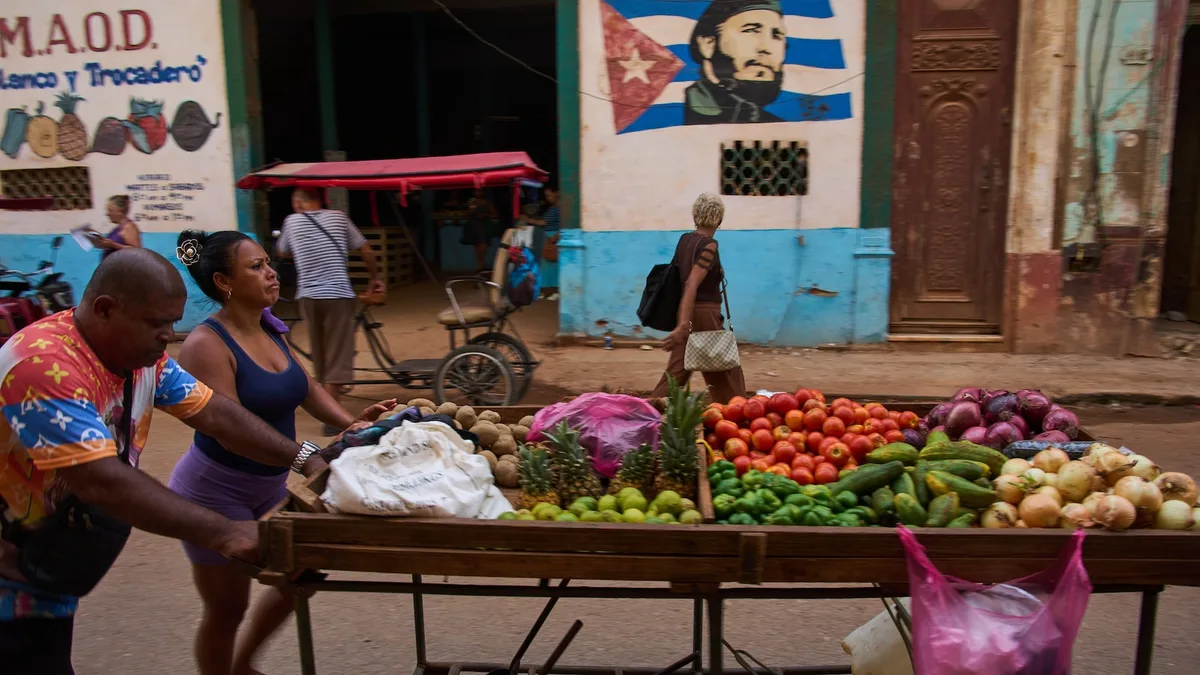
Fidel Castro would have turned 100 on Thursday and his influence still looms over Cuba
HAVANA -- HAVANA (AP) — Fidel Castro would have turned 100 on Thursday, and his long shadow continues to loom over the island as he remains revered by some who miss him in the face of a crippling U.S. energy blockade and blamed by others who see him as the architect of the system that led to Cuba’s current crisis.
This week, Cuba commemorated Castro with events including the International Book Fair, art exhibitions, concerts and gatherings of delegates from leftist organizations across the continent.
Posters bearing his image hang in hospitals, while billboards displaying his slogans — including his widely-known “Homeland or Death” — line the streets. His presence is so familiar that many Cubans refer to him simply as Fidel.
“I believe (Fidel Castro) leaves Cuba a legacy of dignity, morality, tireless work and concern for the poor,” writer and essayist Miguel Barnet, who also is a member of the National Assembly, told The Associated Press. “And a philosophy that was translated into concrete policies in areas such as culture, education and public health.”
Castro’s centennial comes as Cuba faces an ever-intensifying squeeze that began when the Trump administration imposed a fuel blockade in January and followed up with a series of sanctions aimed at pressuring the communist government to make political and economic changes. The measures have deepened a five-year economic crisis fueled by earlier U.S. sanctions and a failed domestic financial overhaul.
For Cubans, the effects have been far-reaching: prolonged power outages , shortages of fuel and medicine, declining industrial and tourism activity , flight cancellations, transportation restrictions and reduced work and school hours.
Castro governed Cuba for five decades, from 1959 until he handed over the presidency to his brother in 2008, holding massive rallies and making hourslong speeches. He remained influential until his death in 2016.
“Fidel left us everything, everything good that came from Cuba’s revolutionary process,” said Argelia Mustelier, a 61-year-old retiree who lives in Old Havana. “In these difficult times we’re living through, he would have found a way to bring some happiness to his country and his people.”
Fidel Castro Ruz was born Aug. 13, 1926, in eastern Cuba’s sugar country, where his Spanish immigrant father first worked recruiting labor for U.S. sugar companies and later built up a prosperous plantation of his own. Shortly after graduating as a lawyer, he became politically active.
In 1953, Castro and more than 100 others attacked the Moncada Barracks in Santiago de Cuba in an unsuccessful attempt to overthrow dictator Fulgencio Batista. Castro was captured and later released, then went into exile in Mexico.
5News aggregated this summary from the outlet’s public feed. The full article, with all the context, is on abcnews.go.com — the content belongs to ABC News International.