Archeologists used to think women in prehistory wielded no power. Genetic data is upending that idea.
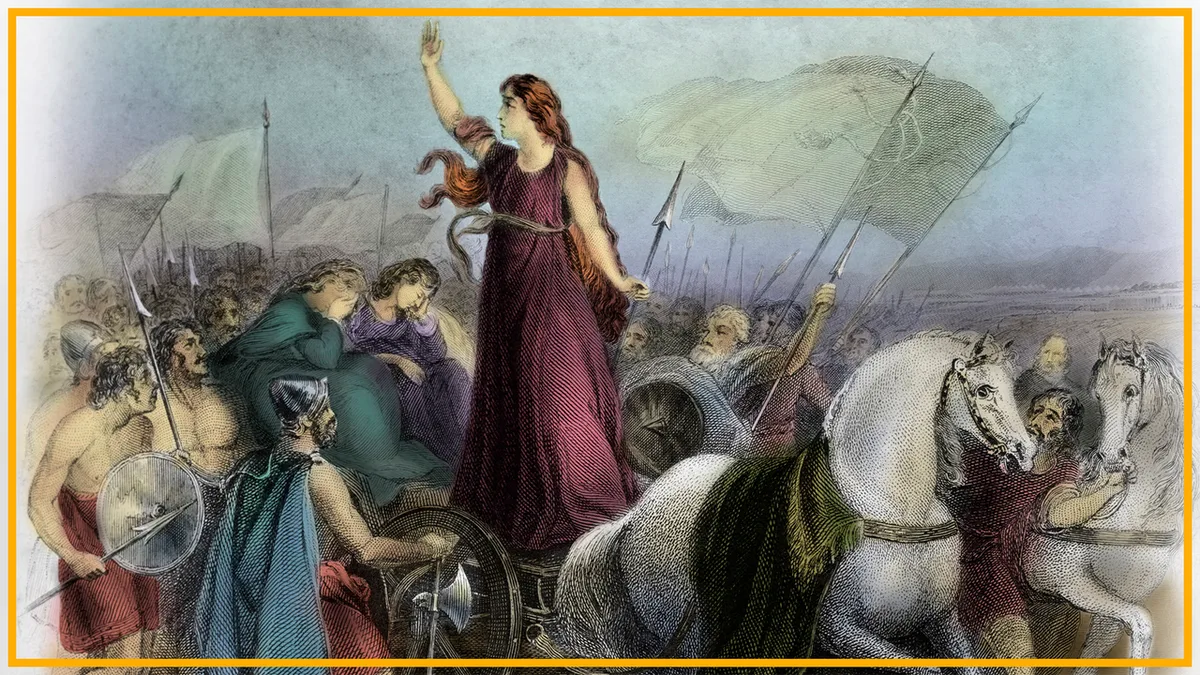
Over the past decade, there's been a revolution in archaeology as we integrate the science of ancient genomics into the study of humanity — and it is upending our traditional views of the role of women in the past.
When archaeologists first excavated a 4,000-year-old grave near Stonehenge in 1801, they identified the well-furnished remains inside as that of a man.
This misidentification persisted for over two centuries, until ancient-DNA analysis revealed unequivocally that this skilled goldsmith was a woman .
The discovery, announced in July, is just one example of many in recent years where DNA science is revealing a more complex pattern of gender roles in our prehistoric past.
But traditional views are hard to shed.
In 2017, when analyses revealed that the classic Viking warrior leader whose remains were found in Birka, Sweden, was a woman, some challenged the science, while others questioned the interpretation of the findings, leading researchers to respond in a rebuttal .
It was hard for researchers to believe that women could have been powerful.
The assumption that past societies were typically male-dominated only really emerged in the late 19th century.
Ancient historians of the 1860s, recognizing numerous accounts of political and war-waging women in classical texts, had proposed instead that patriarchal societies became more typical around the time of the ancient Greeks and that, prior to Rome, female-led communities were more common.
But this notion was rejected by U.K. researchers by the 1880s.
For the next century, the social role of past women was largely minimized.
This bias shaped archeologists' understanding of their findings.
In 1972, David Clarke , Britain's leading archaeological thinker at the time, described hillforts as "territorial centers for the exchange of lower order goods, stock and women." In other words, women were essentially traded like animals.
In 1986, Peter Hinton, who helmed the U.K.'s Chartered Institute for Archaeology for 20 years, said grave goods buried with women do not reveal high status as they do with men, as a matriarchal society had never existed.
5News aggregated this summary from the outlet’s public feed. The full article, with all the context, is on www.livescience.com — the content belongs to Live Science.