On this day in space! Aug. 13, 2014: Game-changing WorldView-3 Earth-observing satellite launches to orbit
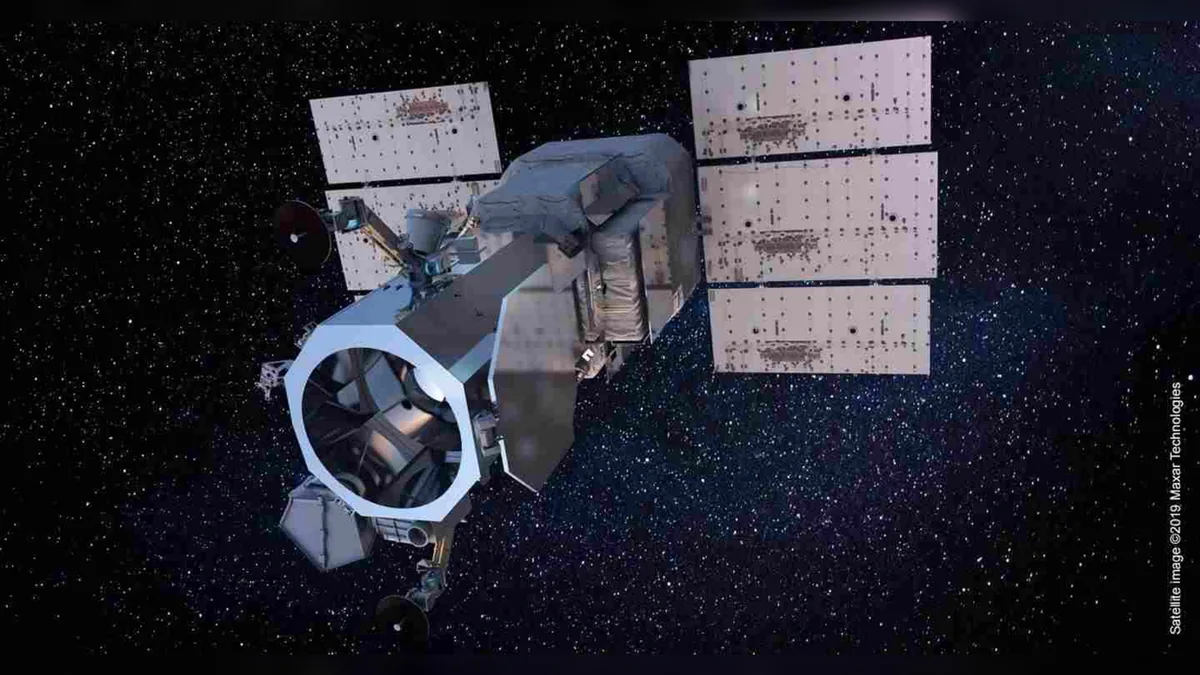
On Aug.
13, 2014, a company called DigitalGlobe launched what was then the sharpest-eyed satellite of all time.
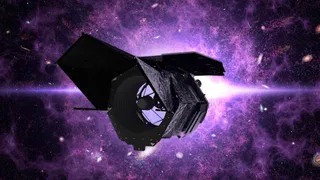
WorldView-3 is a high-resolution imaging satellite that can resolve features as small as 1 foot (31 centimeters) across.
Its instruments allow it to peer through fog and smoke to see Earth's surface at a level of detail that was unprecedented for a non-governmental spacecraft.
WorldView-3 lifted off on a United Launch Alliance Atlas V rocket from Vandenberg Air Force Base in California and has been orbiting Earth ever since.
The WorldView-3 Earth-observing satellite. (Image credit: Maxar Technologies) Why it mattered WorldView-3 pushed forward the technology of Earth-observing satellites.
With its high resolution and ability to create mosaic images and deliver data in record time, the spacecraft changed the game in terms of studying Earth from space.
While technology continued to advance beyond WorldView-3, it was a critical step in the process.
For example, its data has helped researchers better track methane emissions coming from offshore oil and gas rigs, which is important as methane is a powerful greenhouse gas which contributes substantially to climate change .
WorldView-3's data is sorted by an algorithm that helps filter, process and color-correct images that might have been affected by atmospheric effects.
With all of the imagery and data from satellites like WorldView-3, researchers can better track and understand contributors to climate change like methane plumes, as well as monitor deforestation and agriculture and study the spread and effects of natural disasters like wildfire.
Lastly, in an unexpected but amazing find, in 2015 , archaeologists used data from WorldView-3 to discover what is thought to be a lost Viking village in Newfoundland.
The near-infrared imagery captured by the satellite helped an international team to spot this village, which was only the second Viking settlement found in North America.
5News aggregated this summary from the outlet’s public feed. The full article, with all the context, is on www.space.com — the content belongs to Space.com.