US and Iran exchange more airstrikes, fuelling fears of wider return to hostilities
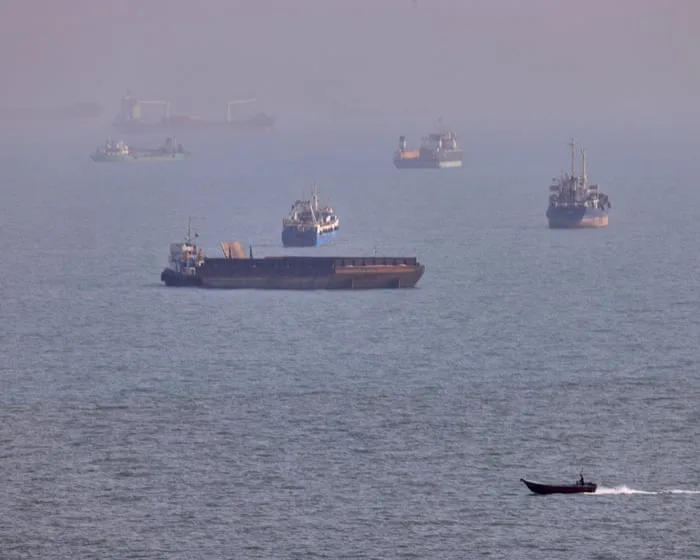
Move from Washington quashes hopes that exchange of fire last weekend might not presage wider renewal of hostilities
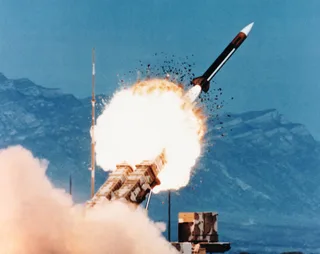
The US launched new airstrikes on Iranian targets on Tuesday, quashing hopes that an exchange of fire last weekend might not presage a wider renewal of hostilities.
Oil prices had already risen after that first exchange of direct attacks since July and after reports of two tankers being hit leaving the strait of Hormuz, the global oil supply waterway that Iran has effectively closed to shipping.
Tehran remained defiant, warning that it would prevent oil being exported from the Gulf, despite a threat by Donald Trump to hit Iran “hard” in response to the renewed Iranian strikes, and a warning from Scott Bessent, the US treasury secretary, that Washington was about to impose new sanctions.
“Today at 12 p.m. ET (1600 GMT), U.S. forces began striking Islamic Revolutionary Guard Corps (IRGC) targets in Iran,” US Central Command posted on X. “The strikes follow recent attempted attacks by the IRGC against commercial shipping in the Strait of Hormuz and against American service members deployed to the region.”
Iran’s state broadcaster said there had been reports of explosions on Iran’s Qeshm Island, on the northern side of the strait.
The state-linked news agency Nour News said there had been reports of explosions in the port city of Bandar Abbas and in Chabahar, a port on the southern coast.
The six-month conflict had shifted into an economic standoff before the weekend strikes, in which US forces attacked Iran’s Larak Island on Sunday and Iran responded by launching missiles at two US airbases in Jordan.
Although he warned of a US response to the Iranian strikes, the US president also told reporters on Monday that they did not signal a return to full-scale war, and a senior Iranian source told Reuters they were a “limited and contained confrontation”.
However, Trump made dire threats against Tehran on social media.
5News aggregated this summary from the outlet’s public feed. The full article, with all the context, is on www.theguardian.com — the content belongs to The Guardian US.