Monday, August 31, 2026 SourcesAbout🌓
🇺🇸 US ▾
BREAKING
Russia is 'going backwards' in equipment and deploying post WWII-era tanks, according to Western officials Podcast: One country musician is calling for other artists to oppose assault rifles Bidets save you money and reduce waste — we tested the best options out there 50+ products to make your life easier and our planet cleaner Mother's Day is around the corner. Here are 50+ thoughtful gifts she'll love A head-to-toe guide of how men should dress this spring, and where they should shop 42 of the most useful travel products you can buy on Amazon The 7 best high-yield savings accounts of April 2023 Taxes are due tomorrow. Here's how to file for an extension Composting is an easy way to reduce food waste. Here's how to do it Russia is 'going backwards' in equipment and deploying post WWII-era tanks, according to Western officials Podcast: One country musician is calling for other artists to oppose assault rifles Bidets save you money and reduce waste — we tested the best options out there 50+ products to make your life easier and our planet cleaner Mother's Day is around the corner. Here are 50+ thoughtful gifts she'll love A head-to-toe guide of how men should dress this spring, and where they should shop 42 of the most useful travel products you can buy on Amazon The 7 best high-yield savings accounts of April 2023 Taxes are due tomorrow. Here's how to file for an extension Composting is an easy way to reduce food waste. Here's how to do it
Technology

Traders brought Central American cacao to Georgia 1,000 years ago
Ars Technica ·
Traders brought Central American cacao to Georgia 1,000 years ago

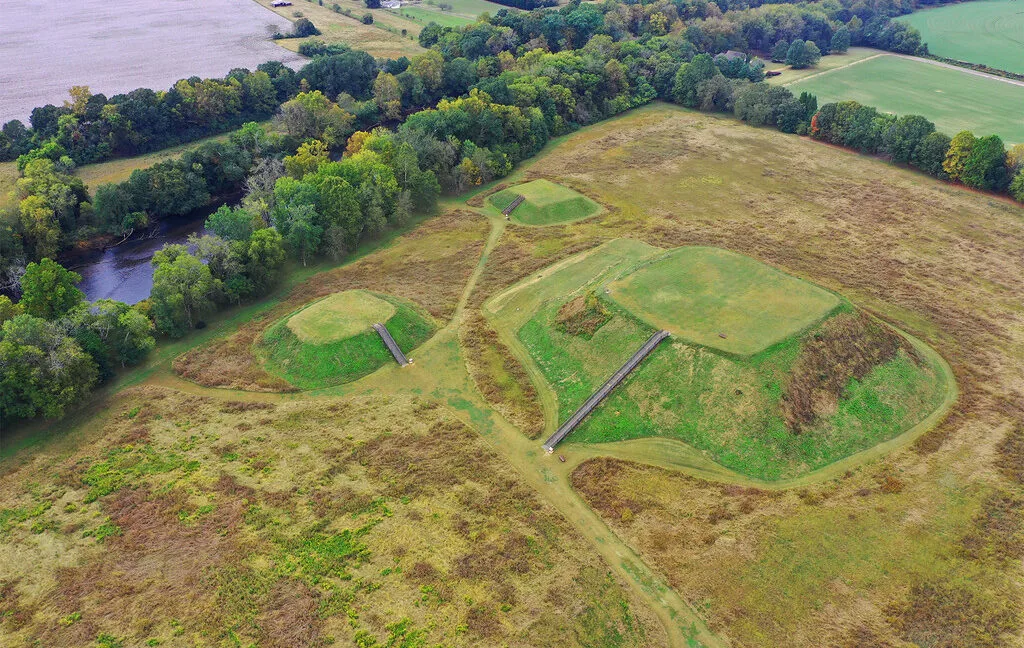
A thousand years ago, feasts in what’s now northern Georgia (in the US) included cacao from Central America.

Potsherds discarded after an 11th-century feast at Etowah—an Indigenous city just north of what’s now Atlanta, Georgia—contained traces of cacao, a raw ingredient of chocolate.

The chemical residue and ancient DNA reveal that not only did the Mississippian people who built the city have excellent taste, they also had trade connections that reached at least 3,000 kilometers to Central America.

And in a sense, chocolate may have helped build the Mississippian mounds.

Ancient dirty dishes University of South Carolina archaeologist Adam King and his colleagues found fragments of ancient DNA from Theobroma cacao in the inner surfaces of potsherds from long-ago feasts at Etowah.

Fruit from the cacao tree contains beans that, when dried and roasted, produce chocolate in all its glorious forms.

Cacao only grows in the tropics, which means the nearest actual cacao trees would have been at least a 3,000-kilometer trek away from the woodlands of the eastern US.

And that means the Mississippian people who lived in Etowah must have had continent-spanning trade connections.

Read full article Comments

Read the full article on Ars Technica ›

5News aggregated this summary from the outlet’s public feed. The full article, with all the context, is on arstechnica.com — the content belongs to Ars Technica.


More from Ars Technica

See all ›

More in Technology

See all ›