Trump weighing limited strikes against Iran to curb Hormuz attacks
President Trump and his senior aides have been considering waging limited strikes in the Strait of Hormuz to prevent Iran from reconstituting its radar and missile capabilities to attack ships, according to three U.S. officials.
Why it matters: The plan, which was developed over the past week by U.S.
Central Command (CENTCOM) and supported by Secretary of Defense Pete Hegseth, had not been approved by Trump ahead of this weekend's exchange of fire with Iran.
But he could greenlight it after the new escalation.
One U.S. official said the idea behind the plan is to reduce the risk of Iranian attacks on oil tankers, U.S.
Navy ships and Air Force aircraft — to "mow the lawn," as this person put it.
The White House declined to comment.
Driving the news: Over the last two months, the U.S. military has gradually taken control of most of the strait through a campaign to degrade Iranian military capabilities, a low-key operation to clear mines and an effort to guide ships through the strait.
That limited Iran's ability to hit oil tankers, while allowing more traffic and oil exports through the strait.
It eroded Iran's leverage over the crucial waterway.
Behind the scenes: U.S. officials say CENTCOM became concerned about Iran's efforts to rebuild its radar, air defense and anti-ship missile capabilities in the strait to target ships more accurately.
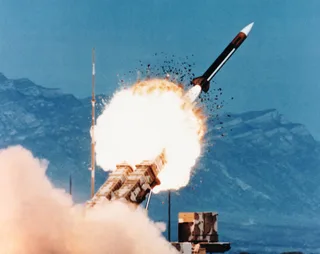
One incident that raised concern in recent days was the launch of an Iranian anti-aircraft missile toward a U.S.
F-35 fighter jet that was providing cover to ships in the strait, a U.S. official said.
While the missile didn't come close enough to be a threat, it was a signal that Iran is trying to reconstitute its military capacity, according to the U.S. official.
5News aggregated this summary from the outlet’s public feed. The full article, with all the context, is on www.axios.com — the content belongs to Axios.