We actually know how to help mothers with postpartum depression
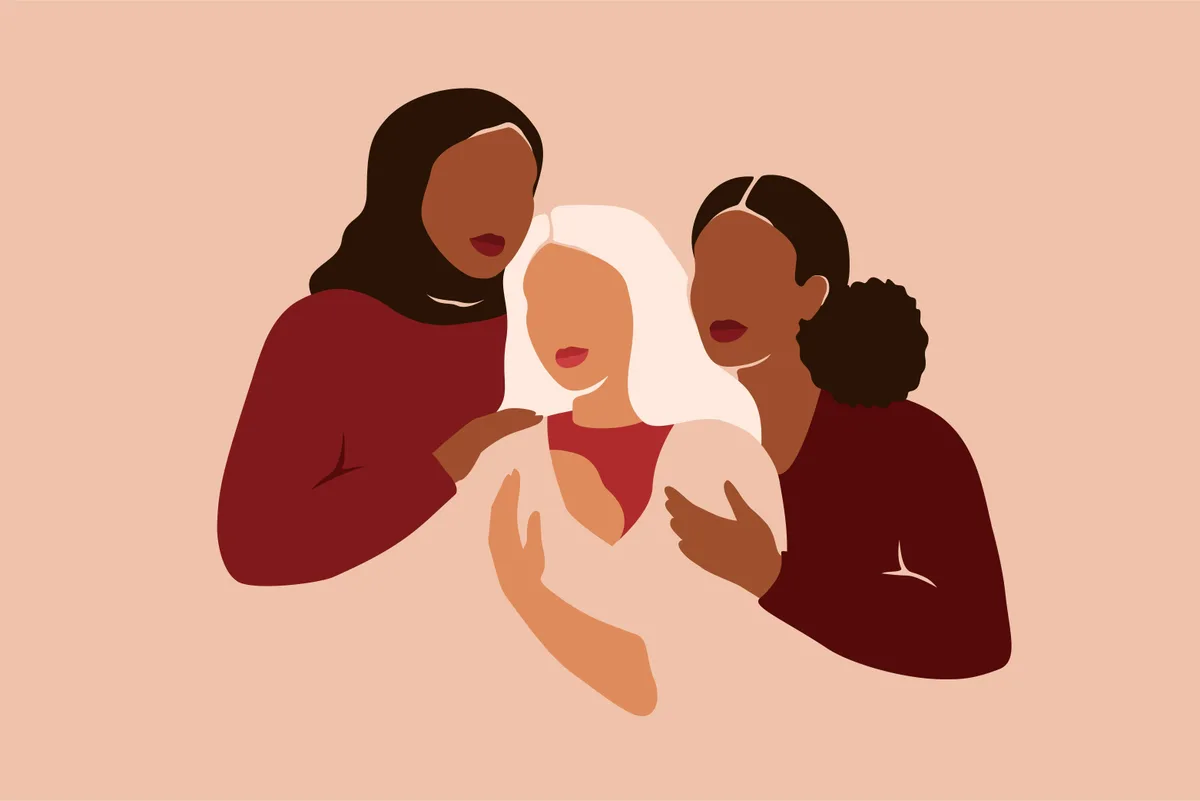
A wave of local programs is offering promising new ideas about how to deliver better care for postpartum depression. | Getty Images We’re making this story accessible to all readers as a public service.
Support our journalism by becoming a member today .
The trial of Lindsay Clancy, the Massachusetts mother accused of killing her three children, is laden with painful what-ifs: What if she had more support? What if she had more people to confide in? Could all of this suffering have been avoided? Those are urgent questions, whatever the outcome of this particular case, because millions of women experience postpartum depression.
Severe postpartum psychosis may be extremely rare , but every year at least 1 in 8 women who give birth in the US experience some depression symptoms — and that is likely an undercount.
A jury will ultimately decide whether or not to convict her for her children’s deaths; by Tuesday morning, the jurors were still unable to reach a unanimous verdict but the judge in the case ordered them to keep deliberating.
Their verdict will rest in part on whether they believe that Clancy was in her right mind when she killed her children — the defense does not contest the underlying facts — or whether, as her attorneys are contending, she was experiencing severe psychosis that should render her not culpable for her actions.
Clancy’s case has become a national flashpoint for maternal mental health — a gripping courtroom drama that also exposes how new moms’ mental well-being has been neglected by the health system and researchers for years.
It’s easy to feel hopeless in the face of such a tragedy, and much of the coverage has — rightly — focused on the gaps it exposed in the system for women getting the care they need.
But even now, there’s good reason to feel optimistic.
Doctors and health workers across the United States are experimenting with strategies that can improve postpartum mental health care.
They have found a secret ingredient that can help new mothers when they are struggling: other moms who have been through the same thing before.
“You just had a baby.
You’re responsible for a new human life.
And it’s really hard to juggle everything in your life,” Dr.
5News aggregated this summary from the outlet’s public feed. The full article, with all the context, is on www.vox.com — the content belongs to Vox.