Polo has rapidly intensified to a hurricane and is expected to impact Mexico
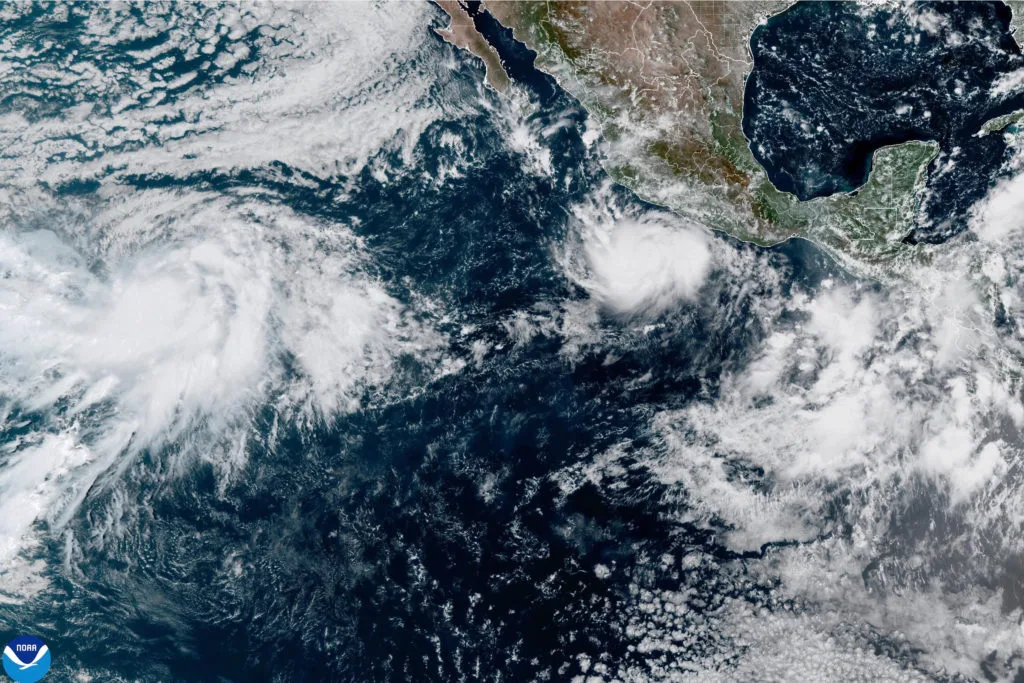
MIAMI (AP) — Hurricane Polo will rapidly intensify in the Pacific Ocean and become a major hurricane later this week, forecasters said Monday.
Polo could bring heavy rain, rough surf and tropical-storm-force winds to parts of Mexico late Tuesday into early Wednesday, the Miami-based National Hurricane Center said.
On Monday, Polo was moving east. But forecasters said it would make a "sharp turn" in a west-northwest or northwest direction by late Tuesday, according to an advisory. The hurricane was expected to travel along the coast of western Mexico but stay offshore.
Polo was centered about 270 miles (435 kilometers) south-southeast of Manzanillo, Mexico, and 190 miles (306 kilometers) south-southwest of Zihuatanejo, Mexico. Maximum sustained winds were 80 mph (129 kph).
The forecast called for 4 to 8 inches (10 to 20 centimeters) of rain, with isolated totals near 12 inches (30 centimeters), across coastal portions of the Mexican states of Guerrero and Michoacán through Thursday. Flooding and mudslides were possible.
Farther west in the Pacific Ocean, Tropical Storm Odalys was far from land but expected to become a hurricane by midweek.
Odalys had maximum sustained winds Monday of 45 mph (72 kph). It was located just over 1,400 miles (2,253 kilometers) west-southwest of the southern tip of Mexico's Baja California peninsula. It was moving northwest at 12 mph (19 kph).
In the Atlantic Ocean, Tropical Storm Fay was weakening. Top winds were down to 50 mph (80 kph) and Fay was 430 miles (692 kilometers) southwest of the Azores.
No Atlantic hurricanes have formed yet this year, and this year has set a record for the longest a season has begun without a hurricane. The effects of this year's El Nino crush storms before they get going.
5News aggregated this summary from the outlet’s public feed. The full article, with all the context, is on www.pbs.org — the content belongs to PBS NewsHour.