The Climate Story Hiding in Plain Sight in the Global Economy
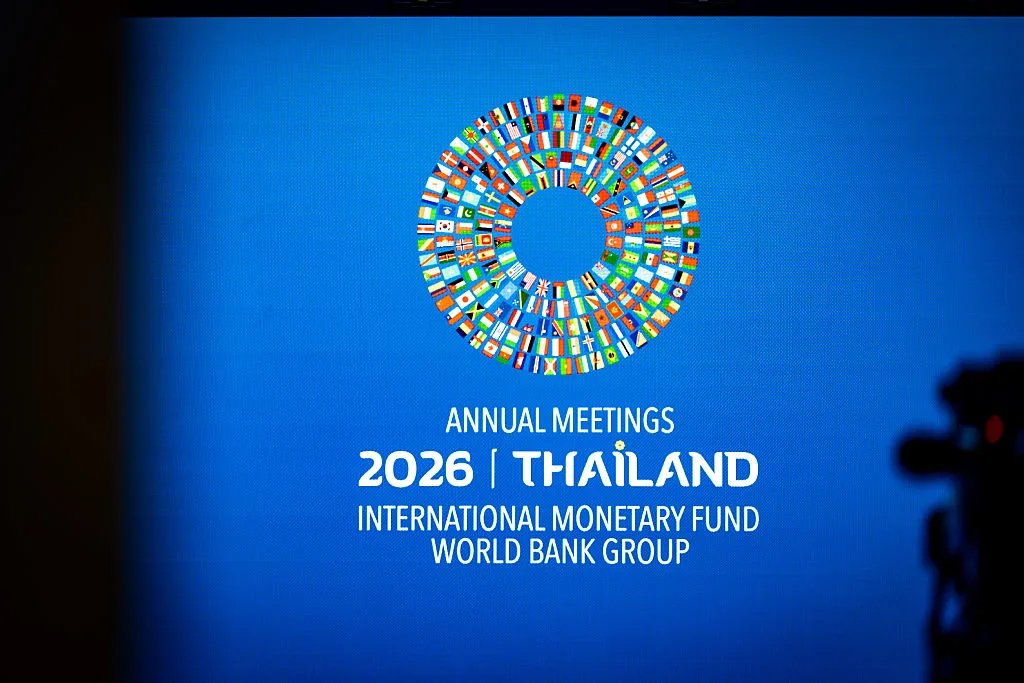
The International Monetary Fund and World Bank Group annual meetings at the Queen Sirikit National Convention Center in Bangkok on Oct.
16 —Matt Hunt/Anadolu—Getty Images The war in Iran , AI , and countries’ growing debt burden all sat at the top of the agenda as leaders of the world’s international financial institutions gathered in Bangkok this week for the fall meetings of the World Bank and International Monetary Fund (IMF).
Even with some bright spots, the picture is challenging.
The war has driven up fuel prices , leading to inflation.
Meanwhile, public debt is soaring, a development the IMF warns is unsustainable.
And the enormous investment in AI is a positive development keeping the bottom from falling out—though only in certain economies.
At a first glance, climate change , once touted as a key priority by the two most influential international financial institutions, has fallen off the agenda.
But take a closer look and it’s hard to miss how climate change—and the related deployment of clean energy—will play an important role in economic performance.
Climate events have worsened the debt challenge in developing countries.
Clean energy, on the other hand, has served as a critical defense mechanism that has kept the energy price crisis from getting worse in places where it has been deployed at scale.
A report from the United Nations Development Programme (UNDP) released this week alongside the fall meetings gets at the heart of this challenge while barely mentioning climate change at all—at least in those words.
The report points to what it describes as a “triple shock”: high borrowing costs, the energy price spike, and extreme weather events driven by this year’s El Niño, which is on course to set records.
The policy responses aren’t coded climate policy—and in many cases they’re actively bad for climate efforts.
The most common response cited by the report is fuel price support, think of subsidies or fuel tax reductions.
5News aggregated this summary from the outlet’s public feed. The full article, with all the context, is on time.com — the content belongs to TIME.