Saturday, October 17, 2026 SourcesAbout🌓
🇺🇸 US ▾
BREAKING
› Dominion still has pending lawsuits against election deniers such as Rudy Giuliani and Sidney Powell› Russia is 'going backwards' in equipment and deploying post WWII-era tanks, according to Western officials› Podcast: One country musician is calling for other artists to oppose assault rifles› Bidets save you money and reduce waste — we tested the best options out there› 50+ products to make your life easier and our planet cleaner› Mother's Day is around the corner. Here are 50+ thoughtful gifts she'll love› A head-to-toe guide of how men should dress this spring, and where they should shop› 42 of the most useful travel products you can buy on Amazon› The 7 best high-yield savings accounts of April 2023› Taxes are due tomorrow. Here's how to file for an extension› Dominion still has pending lawsuits against election deniers such as Rudy Giuliani and Sidney Powell› Russia is 'going backwards' in equipment and deploying post WWII-era tanks, according to Western officials› Podcast: One country musician is calling for other artists to oppose assault rifles› Bidets save you money and reduce waste — we tested the best options out there› 50+ products to make your life easier and our planet cleaner› Mother's Day is around the corner. Here are 50+ thoughtful gifts she'll love› A head-to-toe guide of how men should dress this spring, and where they should shop› 42 of the most useful travel products you can buy on Amazon› The 7 best high-yield savings accounts of April 2023› Taxes are due tomorrow. Here's how to file for an extension
Business

Mark Cuban is worth $10 billion—but in college, he paid for junior year with a dorm-room chain letter he admits was ‘basically a scam’
Fortune ·
Mark Cuban is worth $10 billion—but in college, he paid for junior year with a dorm-room chain letter he admits was ‘basically a scam’

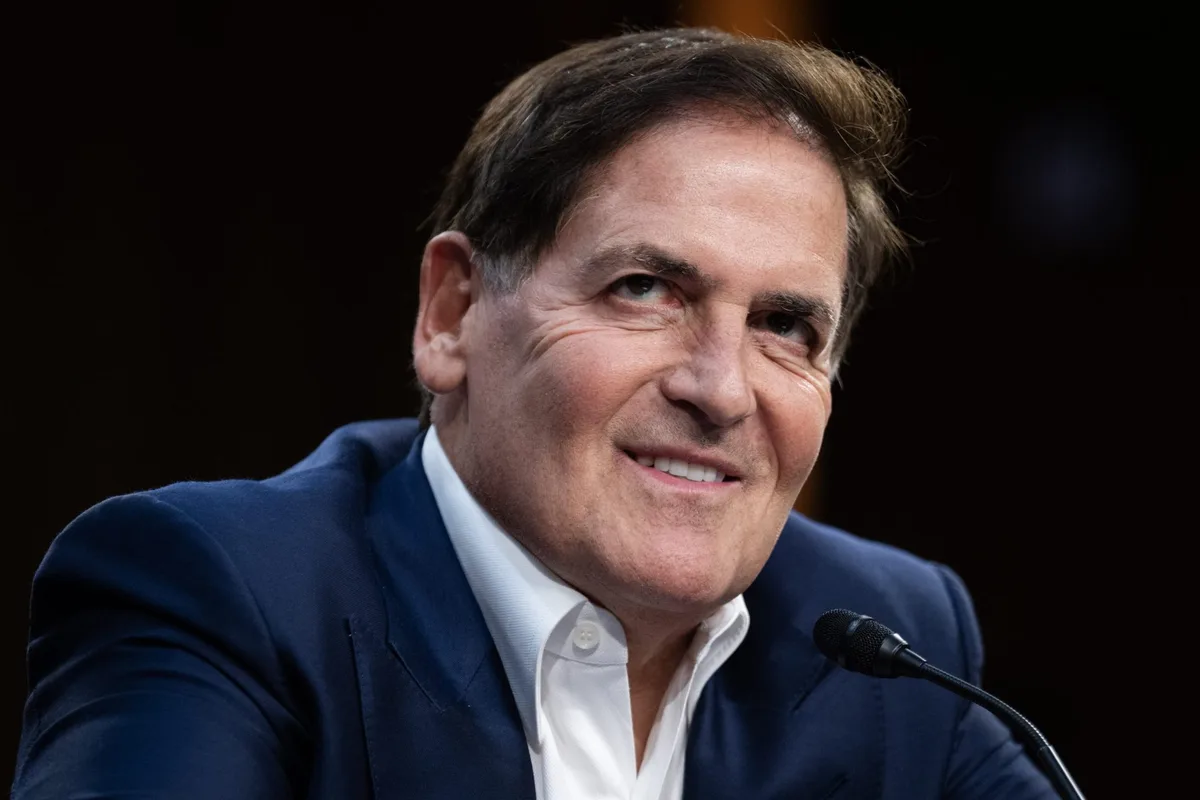
Before you knew him as an investor on Shark Tank, the owner of the NBA Dallas Mavericks, or just one of the richest people in the world, Mark Cuban was hustling in unexpected ways.

To pay his way through junior year of college at Indiana University in the early 1980s, Cuban set up a “chain letter” in his dorm, he told the San Francisco Standard ’s Life in Seven Songs podcast in 2024.

He started by approaching one person and asked them to give him $100, starting the Ponzi scheme or “scam,” as he called it.

Cuban told that person, “I’m going to take $50 of that.

And here’s a list of 10 names.

We’re going to send 50 bucks to whatever dorm room that this person at the top of the list is.

Then we’re going to take their name off the list and put your name at the bottom.

So we’ll make it a $50 chain letter.

And as everybody else does that, your name moves up the list until you’re at the top.

And as we grow the chain letter, hopefully you’ll get more money than you put out.” Sounds kind of like social capital, right? “No, no.

It was basically a scam,” Cuban, 68, said as he chuckled.

“I made sure my friends all got their money back.

And so I got up to the top of the list.

And it was amazing, because I’d go to [my mailbox] and there’d be envelopes with 50 bucks from here, 50 bucks from there, and that’s how I paid for my junior year of college.” That type of cash meant a lot at the time for Cuban, who came from humble beginnings, growing up in a working-class family in a suburb of Pittsburgh.

Read the full article on Fortune ›

5News aggregated this summary from the outlet’s public feed. The full article, with all the context, is on fortune.com — the content belongs to Fortune.


More from Fortune

See all ›

More in Business

See all ›