I spent years running AmeriCorps. The best job training in America isn’t happening in the classroom
For the first time since the New York Fed started tracking these numbers in 1990, a recent college graduate is more likely to be unemployed than American workers in general.
Unemployment for recent grads held at about 5.6 percent this year, up from under 4 percent before the pandemic.
Depending on who you ask, artificial intelligence is either about to make this far worse or create tens of millions of new jobs in the next decade.
It’s too early to be too confident on either side of the debate.
But whoever’s right, young people are already struggling with a strong on-ramp to work.
I’ve spent my career focused on economic and educational pathways for youth from underserved communities, and as the leader of Eckerd Connects, I can’t walk into a room without being asked how concerned I am that AI will obliterate the next generation’s chances of having a prosperous future.
Employers tell me constantly that they can’t find workers with the basic interpersonal skills that hold an organization together.
So, what do we do? The answer, in part, lies in paid, structured service.
Too often, service is dismissed as charity instead of the workforce strategy it actually can be.
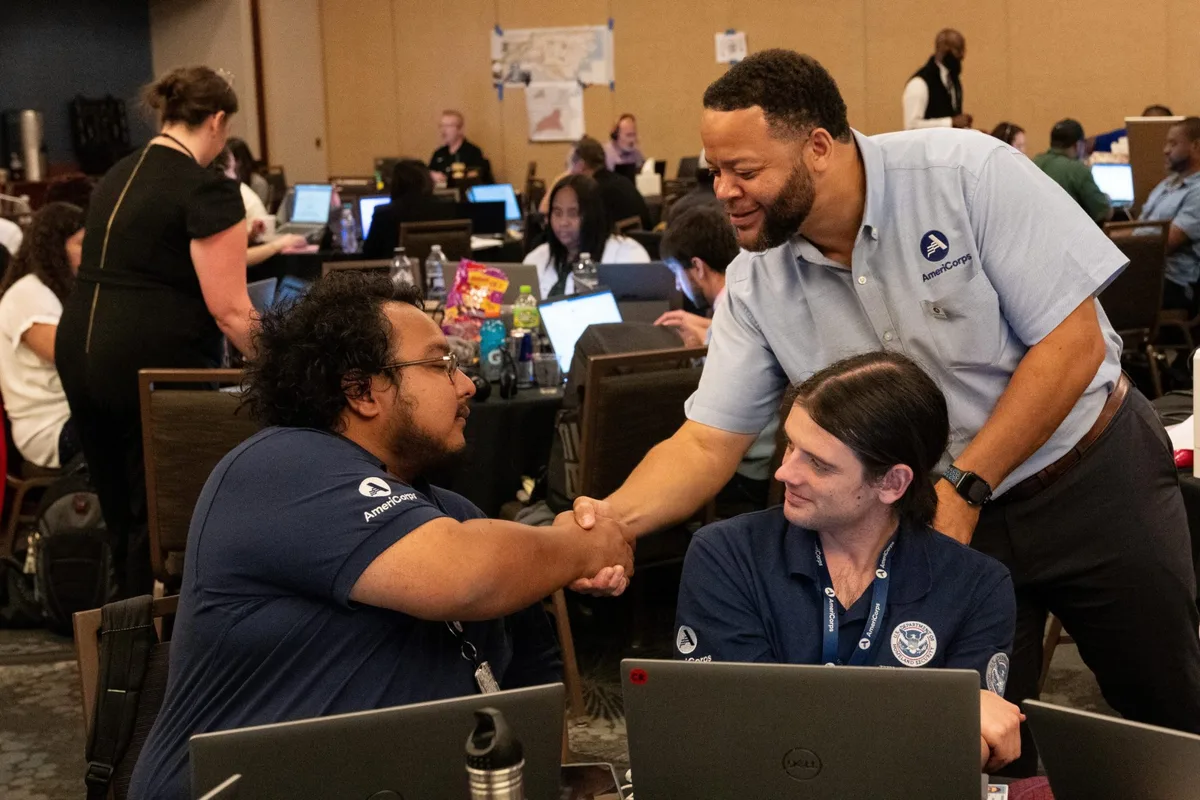
I’ve watched it work for more than 20 years, both as a young adult who served their community and as CEO of AmeriCorps.
Year after year, I’ve watched AmeriCorps members, who walked in unsure of themselves, develop critical workplace skills and complete their service ready to lead.
Ninety-four percent of AmeriCorps alumni say they can solve most problems they run into.
Most say they can hold their own in front of a room, and that they can work across political and cultural differences.
Governors are beginning to recognize the strength of AmeriCorps’ model, and use their states as innovation labs to replicate it.
5News aggregated this summary from the outlet’s public feed. The full article, with all the context, is on fortune.com — the content belongs to Fortune.