The Houthis’ Saudi attacks are ‘unprecedented.’ Trump wants to ‘ignore’ them until the midterms, but the chaos may force U.S. to respond
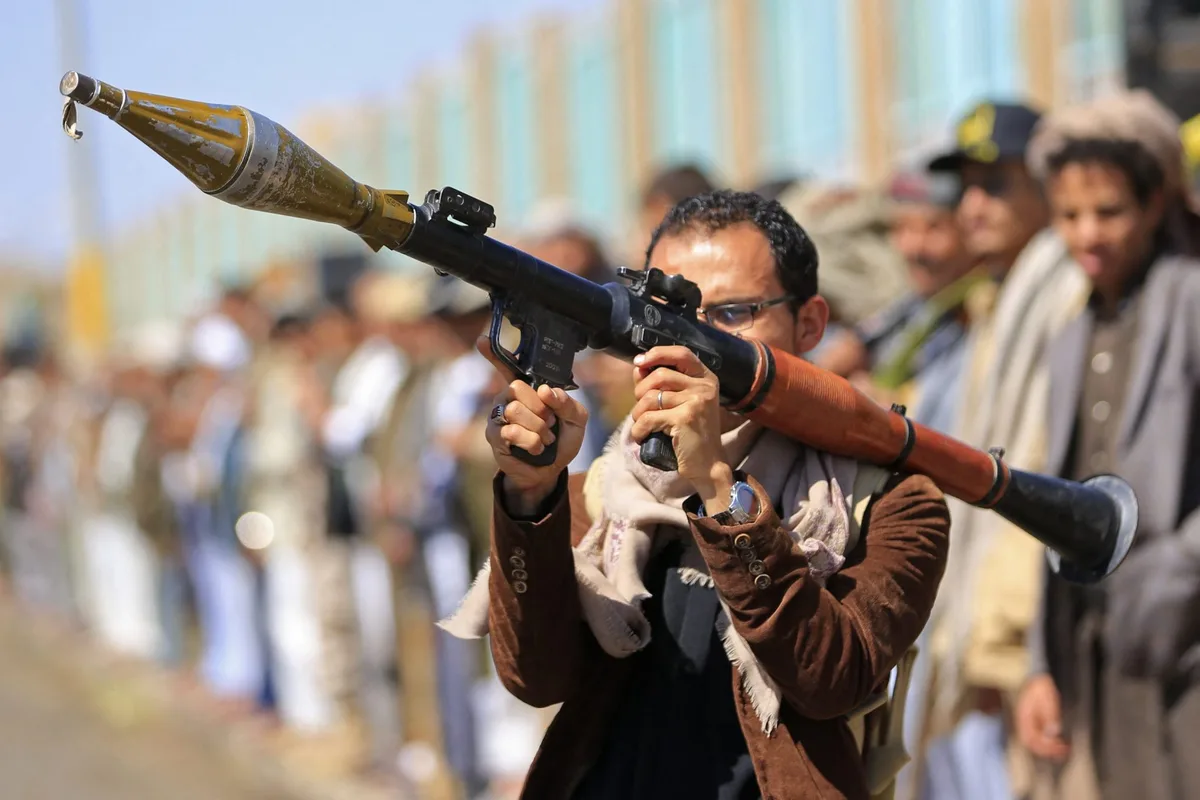
After oil tanker traffic in the Strait of Hormuz rose to post-February highs last month, a new “October window of escalation” is heating up as the Yemeni Houthis dramatically increase their attacks on Saudi Arabia and Iran is again taking aim at more tankers and shipping containers, geopolitical and energy analysts said.
The U.S. response thus far? Essentially crickets.
President Donald Trump has accused them of “behaving very badly” and that the U.S. will “move very quickly.” But little military action has been taken thus far.
It seems both the U.S. and Iran are eyeing the Nov.
3 midterm elections .
Trump wants to avoid escalation before then that further exasperates gasoline and diesel prices, while Iran wants to inflict maximum political damage.
Trump has essentially admitted as much multiple times, adding on social media on Tuesday, “I’ll be there after the Elections, and I will never forget!” On Wednesday, a missile strike hit a portion of the Saudi Aramco headquarters—the massive state oil company.
That follows several days of devastating attacks, primarily over the weekend, on the crowded Riyadh airport in Saudi Arabia that killed at least 20 (including one U.S. citizen) and injured hundreds more.
The Houthis pledged to continue striking energy facilities and airports.
Fernando Ferreira, director of the geopolitical risk service at Rapidan Energy Group, said it is unprecedented for the Iran-backed Houthis to strike so successfully at critical Saudi infrastructure.
“The measured [U.S.] response reflects the fact that there are not a lot of good options to respond here,” Ferreira told Fortune .
“We can escalate against the Houthis and impose a lot of pain, but that won’t necessarily change the Houthi calculus or significantly degrade their capabilities.
The Houthis have developed capabilities that are well underground, they’re protected.” That dynamic also is playing out in the Strait of Hormuz where traffic is slowing down this week from last month’s highs.
The International Energy Agency reported Wednesday that September oil volumes out of the Middle East essentially rose to 75% of pre-war volumes.
5News aggregated this summary from the outlet’s public feed. The full article, with all the context, is on fortune.com — the content belongs to Fortune.