Caregiver creep: how helping elderly relatives can snowball into a full-time job
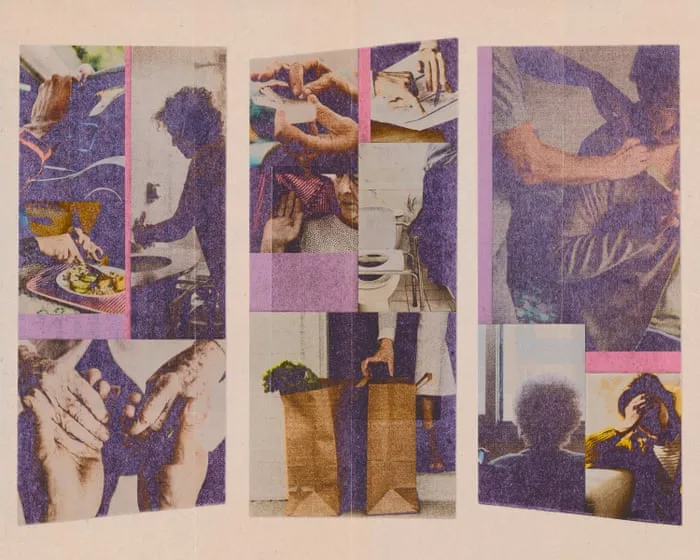
Assisting an ageing loved one can start with small tasks but may lead to full-time caregiving that requires more support
Helping an ageing parent or loved one often begins with easy-to-field requests: Pick up a prescription. Drive them to a doctor’s appointment. Grab groceries.
However, light tasks – just “helping out” here and there – may eventually snowball into the avalanche of full-time caregiving, a phenomenon becoming known as “caregiver creep”. Like “ caregiver burnout ”, it’s not a formal term, but there is growing awareness about this slow build among healthcare providers and experts.
A 2025 research report from the AARP and the National Alliance for Caregiving found that 63 million Americans act as caregivers; one in every four adults is a caregiver and the majority (94%) are caring for an adult. As the population ages – the oldest baby boomers will turn 80 this year – the need for care will increase.
The US Bureau of Labor Statistics reports the majority (59%) of those providing this unpaid care are women. Many gen X and millennial women are feeling the sandwich-generation squeeze of caring for parents and children on top of their careers.
Recognizing when responsibilities increase, how to identify when support needs to level up, and where to find resources both for the person receiving care and the caregiver can help manage caregiver creep.
According to the Caregiver Alliance , a caregiver is an unpaid individual who helps another person with everyday activities of daily living or medical tasks. (Separately, paid care providers may assist at home or at a care facility.)
Caregiver creep is a slow build of tasks and increased responsibilities that may not be apparent at first. It can be distinguished from a more straightforward, sudden plunge into caregiving after an unexpected change in health or circumstances.
Kim Elliott, a 45-year-old director of software sales in Denver, Colorado, has experienced both. Elliott was close to her father-in-law. She, rather than his two sons, was the point person for his care. She ordered groceries for him, bought his clothes and made extra dinners to drop off.
“I took my father-in-law to a doctor’s appointment and they referred to me as the caregiver … At that moment, I recognized that I was the one caring for him and that there was a term for all of the years of care,” Elliott says.
By contrast to this slow creep, in late 2020 Elliott abruptly became the caregiver to her mother. Elliott’s mother was diagnosed with an aggressive form of leukemia that required an urgent stem cell transplant and round-the-clock care. Amid the pandemic, her mother relocated from California to Colorado to move in with Elliott, who became both her stem cell donor and caregiver.
“That was an absolute plunge,” Elliott says. “There were minutes between me realizing that she was in need of intense care and the decision to raise my hand to help.”
It is very common for people to not recognize the slide into caregiver status – when being a helpful child becomes something more.
5News aggregated this summary from the outlet’s public feed. The full article, with all the context, is on www.theguardian.com — the content belongs to The Guardian Society Health.