The pantry staples that reduce blood sugar rises and lower cholesterol
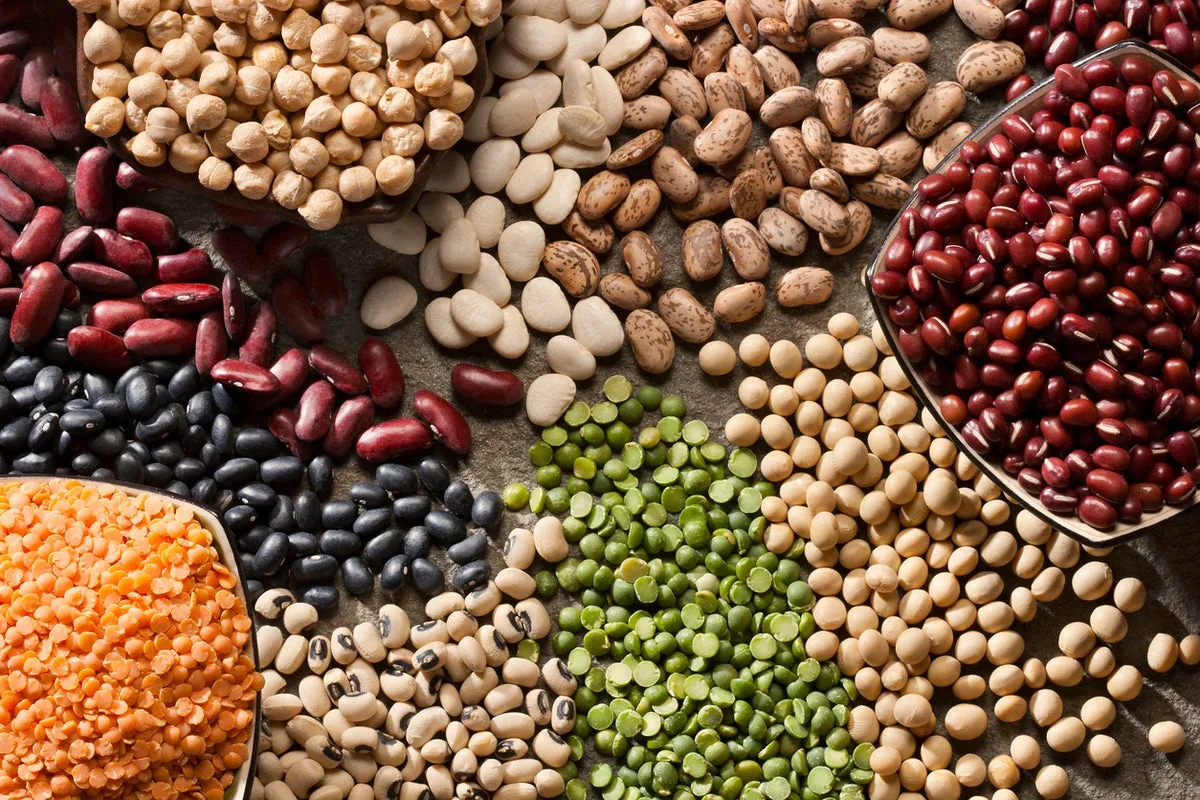
Lentils , beans and chickpeas have been feeding people for thousands of years. Lentils are among the world’s earliest cultivated crops, with archaeological evidence tracing them back to the beginnings of agriculture. Yet scientists are still learning what happens inside our bodies when we eat them.
A 2026 review of the research examined the evidence on pulses and their effects on the gut and metabolism. Pulses are the dried edible seeds of legume plants, including lentils, chickpeas, dried beans and dried peas. Legumes are the wider plant family and also include foods such as soya and fresh peas.
The researchers brought together evidence from human studies with laboratory and animal research. So what does the science suggest pulses actually do once we eat them?
Pulses provide plant protein and fibre, along with carbohydrates that are not always completely broken down before they reach the large intestine.
There, gut microbes get involved. When some bacteria break down fibre and other carbohydrates, they produce substances called short-chain fatty acids. These help support the lining of the gut and are involved in how the immune system and metabolism work.
Because pulses provide some of the carbohydrates these microbes feed on, researchers are interested in whether regularly eating them changes which microbes thrive in the gut and what they produce.
The recent review found promising evidence that pulses can affect the gut microbiome, the community of microbes living in our digestive system. But much of this research still comes from laboratory and animal studies. Longer human trials are needed before we know how important these changes are for health.
Blood sugar normally rises after we eat carbohydrates. Pulses appear to reduce the size of that rise.
A review that combined the results of 65 clinical trials, involving 2,102 adults with and without type 2 diabetes, found that eating pulses reduced rises in blood sugar after meals.
One possible explanation lies in their structure. Pulses contain fibre and starch that can be digested relatively slowly, and intact cell walls can make some of the starch harder for digestive enzymes to reach.
The evidence for longer-term changes is less certain. The same review found some improvements in measures of blood-sugar control, particularly among people with type 2 diabetes, but researchers rated much of this evidence as low or very low certainty.
There is also evidence from human trials that eating legumes can produce small improvements in cholesterol.
A 2024 review of 24 trials involving 1,938 people found modest reductions in both total cholesterol and LDL cholesterol.
LDL stands for low-density lipoprotein. These particles carry cholesterol through the blood, and extensive genetic and clinical evidence shows that higher exposure to LDL contributes to the build-up of fatty plaques in arteries, increasing the risk of cardiovascular disease.
5News aggregated this summary from the outlet’s public feed. The full article, with all the context, is on www.independent.co.uk — the content belongs to The Independent Health.