The common brain disorder often dismissed as being ‘all in your head’
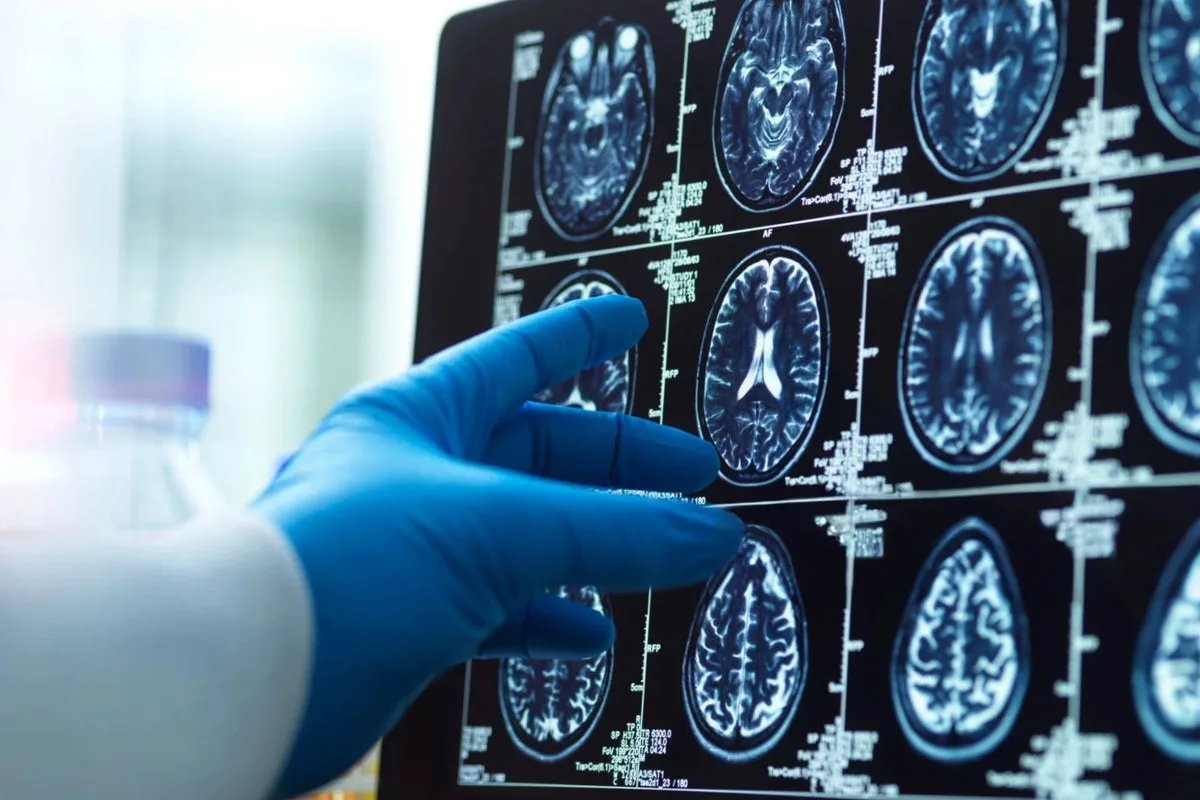
By the time many people with functional neurological disorder arrive in our clinic, they have heard these five words more times than they can count. They are told their brain scan was normal. Their electroencephalogram, a test that measures the brain’s electrical activity, is reassuring. “The good news is you don’t have epilepsy ,” they’re told.
No test can explain why they can’t walk without falling, why their leg won’t stop trembling, or why they experience seizures that leave them exhausted for hours, even days. Some begin to wonder if they really are imagining it.
Over the past several years working as the program manager of one of the few multidisciplinary clinics for functional neurological disorder , I have watched the same story unfold again and again, from long diagnostic journeys and deep uncertainty to the profound relief of finally being believed. Dr. Laura Strom, one of the neurologists at the clinic, often reassures patients, “Well, it’s good that it’s all in your head – because that’s where your brain is.”
For decades, this gap between normal test results and very real, debilitating symptoms had left patients with few answers. Today, neuroscience offers a different explanation.
Every movement you make, every sensation you feel and every emotion you experience begins with your brain. The question was never whether the brain was involved in creating the distressing physical symptoms of functional neurological disorder, but how.
Brain imaging studies suggest that the networks responsible for movement, attention, emotion, body awareness and sensory processing are constantly communicating with one another. Rather than acting independently, these networks work together to create thoughts, perceptions and actions.
How these brain networks communicate, and occasionally miscommunicate, is one of the central questions researchers are trying to answer about functional neurological disorder.
One of the leading theories helping explain this condition is known as predictive processing. Rather than simply reacting to your world, this theory suggests that the brain is constantly making predictions. It combines past experiences, information from your surroundings and signals from inside your body to create your everyday experiences.
Think about walking up a flight of stairs. You don’t consciously calculate where to place every foot or which muscles to contract. Your brain has already predicted the movement before you make it. Most of the time, these predictions are remarkably accurate.
As new information reaches the brain, the brain compares it with existing expectations or predictions – shaped by current and past experiences – along with signals from the body. If the new information it receives doesn’t match up, the brain then updates its predictions. Scientists call this mismatch prediction error. Researchers believe the disruption of this updating process may be one mechanism behind this neurological disorder.
Although there is no single cause of functional neurological disorder, factors such as injury, illness, pain or significant stress may make the brain more likely to rely on prior predictions instead of new information.
5News aggregated this summary from the outlet’s public feed. The full article, with all the context, is on www.independent.co.uk — the content belongs to The Independent Health.