Germany blames Russia for drone attack at Leipzig airport
Government says ‘dangerous behaviour’ is part of effort by Moscow to cause damage with hybrid attacks
The German government has blamed Russia for the drone attack on Leipzig airport last month, calling it “dangerous behaviour” and part of a systematic and concerted effort by Moscow to “cause great damage” through a large number of hybrid attacks.
The interior minister, Alexander Dobrindt, and the foreign minister, Johann Wadephul, ended weeks of speculation and the government’s hesitancy to blame Russia, saying in a brisk 10-minute briefing in Berlin that all indications were the Russian state had provided the knowhow and equipment for the planned attack and “low-level agents” were recruited to carry it out.
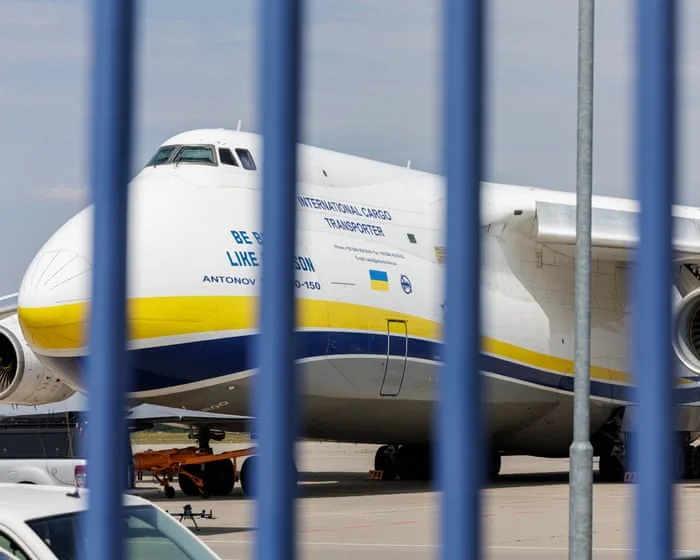
A drone loaded with explosives was discovered at Leipzig/Halle airport on 4 August attached to the wing of a Ukrainian Antonov cargo plane used to transport weapons to Ukraine. It failed to detonate but could have caused a catastrophe, authorities said.
Russia will face a package of penalty measures, Wadephul said, adding that the German government saw “a need for appropriate and necessary action in this situation”. It would respond “to this hybrid attack in Leipzig with proportionate and measured, yet equally resolute, action”, he said. “We are not at war, but we are a daily target of hybrid warfare.”
He added: “The dangerous behaviour of the Russian Federation is part of attempts at destabilisation, disinformation, threats, sabotage and aggression.” Berlin regretted the abysmal state of its relations with Moscow, he said.
The EU expressed “full solidarity” with Germany over the attack, and Nato assured Berlin that it would defend its members.
Russian president Vladimir Putin called the sanctions “another mistake,” suggesting the restrictions were aimed at currying favour with voters.
“I think it’s another mistake, a serious one,” Putin said during a press conference broadcast by the Russian state news agency Tass. “And in my view it clearly runs counter to the interests of the German people.”
The Russian ambassador had been summoned to the foreign ministry at that very moment to be informed of the consequences, Wadephul said. The Russian consulate in Bonn will be closed later this month, and Russian House, a sprawling cultural and science institute in the centre of Berlin, which is alleged to house Russian spies and to have been the launchpad for a number of hybrid attacks carried out in Germany over the past few years, is to be turned out of its rented building.
A clampdown on Russia’s shadow fleet – illegal ships carrying Russian oil and other supplies in the Baltic and North seas – is also planned.
5News aggregated this summary from the outlet’s public feed. The full article, with all the context, is on www.theguardian.com — the content belongs to The Guardian UK.