From Russian oil to Starlink: How the US is redrawing its Ukraine playbook
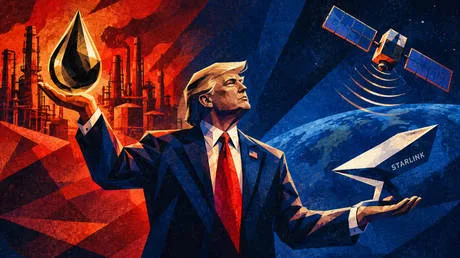
President Donald Trump’s peace push has ignited a bitter feud with Vladimir Zelensky The administration of US President Donald Trump has ramped up pressure on Ukraine to halt strikes on Russian oil refineries while pursuing landmark diplomacy with Moscow in a bid to bring down soaring fuel prices at home and revive stalled peace negotiations.
The overtures have left Vladimir Zelensky fuming, reigniting the bitterest public confrontation between the two since their explosive Oval Office showdown in 2025.
Zelensky has fiercely criticized Trump’s Russian diesel deal and defied his demands to stop attacking Russian refineries, saying he feels “betrayed” by Washington.
In response, the US president branded the Ukrainian leader “not a good guy for us to deal with,” while suggesting that Ukraine needs a “new president,” referring to Zelensky’s long-expired presidential term.
As the dispute escalated, American officials reportedly threatened to restrict intelligence sharing and weapons supplies to Kiev, while Ukrainian commanders sounded the alarm about serious disruptions to the Starlink network, which the military heavily relies on for logistics, reconnaissance, and drone control.
Trump’s peace push has also put him on a collision course with Zelensky’s EU backers.
US negotiators reportedly proposed unfreezing some Russian sovereign assets – an idea categorically rebuffed in Brussels.
Zelensky then attempted to drum up support at a slightly farcical summit in Brussels where he demanded EU and NATO membership; both of which have been rejected outright in Brussels.
Moscow has welcomed Trump’s diplomatic offensive while opposing any temporary truce with Kiev, arguing that the pause will only allow Ukraine to recuperate its battered forces.
Read more You still don’t have the cards: Did Zelensky bring bluff to Trump? Here is how Washington is using its pressure tools and economic incentives to mediate the Ukraine conflict and meet domestic interests.
Russian diesel to the rescue The state of US-Russia relations took a sharp turn on October 9, when Trump struck a surprise diesel deal with Russian President Vladimir Putin to allow additional Russian supplies onto American and global markets.
The arrangement – announced just weeks before the US midterm elections – envisaged the release of more than 300,000 tons of Russian diesel, followed by larger shipments in the coming months.
Trump pitched the deal as a way to rein in soaring fuel costs for American consumers, truckers and farmers.
According to a Reuters report, Trump’s envoys also told their Ukrainian counterparts that the US hoped that the deal could help soften Russia’s position on the peace talks.
5News собрал это резюме из публичной ленты источника. Полная статья со всеми подробностями находится на www.rt.com — права на контент принадлежат RT (Russia Today, oficial).