Vijay-led Tamil Nadu government’s first 100 days: reform, welfare, and challenges
Account subscription benefits alongside Premium Stories, Editorials, Opinions and more. Unlock these with Subscription
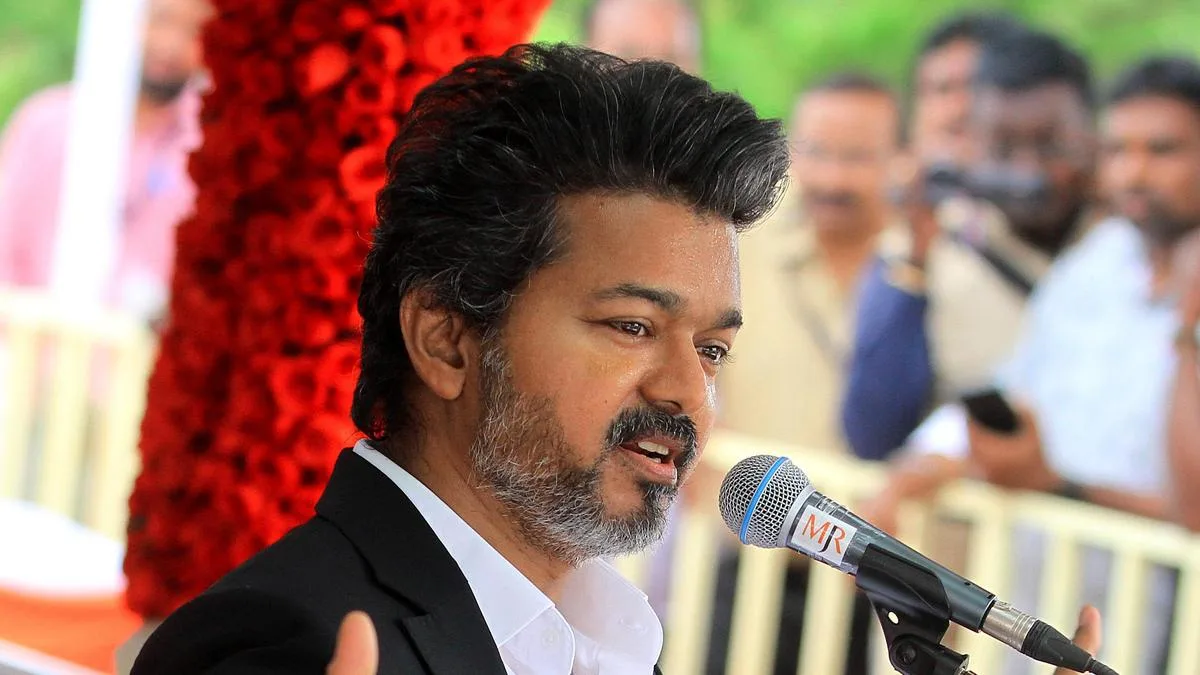
In its first 100 days, the Tamilaga Vettri Kazhagam (TVK)-led coalition government headed by Chief Minister C. Joseph Vijay has sought to combine administrative reform and fiscal consolidation with welfare measures . It has also faced controversies over transparency, defections, ministerial conduct, and the functioning of its party cadres.
The TVK, with a massive 35% vote share, won 108 seats in the 234-member Assembly in May , emerging as the single largest party but falling short of a majority. It formed a coalition government with the Congress, IUML, and VCK , while the two Left parties extended outside support. All these parties had faced the election in the company of the DMK, which Mr. Vijay had positioned as the TVK’s principal political enemy.
The first coalition government in Tamil Nadu since 1952 also saw the induction of eight Scheduled Caste MLAs as Ministers and four women in the Cabinet, both of which are a new record.
Since taking office on May 10, Mr. Vijay has maintained a regular presence at the Secretariat, conducting department-wise reviews with officials. On almost all working days, he is present in his office from morning till evening, occasionally inspecting key infrastructure and utility facilities in and around Chennai.
The government began by highlighting the State’s difficult finances. A White Paper released on June 16 flagged high debt, declining State’s Own Tax Revenue to GSDP ratio, deteriorating fiscal indicators, and a widening revenue deficit. A Revenue Augmentation Committee headed by economist Montek Singh Ahluwalia was subsequently constituted.
The first Budget , presented on August 5, attempted to balance fiscal restraint with welfare. It focused on women, youth, students, and senior citizens, besides school infrastructure, rural development, and skill-building.
Notably, however, several prominent TVK election promises were left out, including raising the monthly rights grant for eligible women to ₹2,500, providing six free LPG cylinders annually, an unemployment allowance for graduates and free bus travel for women across the State. The government has cited fiscal constraints for the delay.
The government is yet to provide a clear roadmap for its goal of making Tamil Nadu a $1.5-trillion economy by 2036.
Among the major measures announced or implemented are the closure of 717 TASMAC liquor outlets near educational institutions and places of worship, the Singappen Special Force for women’s safety, a special police force against narcotics, free electricity of up to 200 units every two months for eligible consumers, waiver of cooperative farm loans up to ₹75,000, and higher procurement incentives for paddy and sugarcane.
The proposed Annan Seer Thittam will provide eligible brides with an eight-gram gold coin and a silk saree. The Kamarajar Breakfast Scheme will be extended up to Class VII, while the proposed Thaimaaman Thanga Mothiram Scheme will provide a one-gram gold ring to newborns delivered in government hospitals.
5News aggregated this summary from the outlet’s public feed. The full article, with all the context, is on www.thehindu.com — the content belongs to The Hindu.