Gangster Shahzad Bhatti picked operatives through social media
Account subscription benefits alongside Premium Stories, Editorials, Opinions and more. Unlock these with Subscription
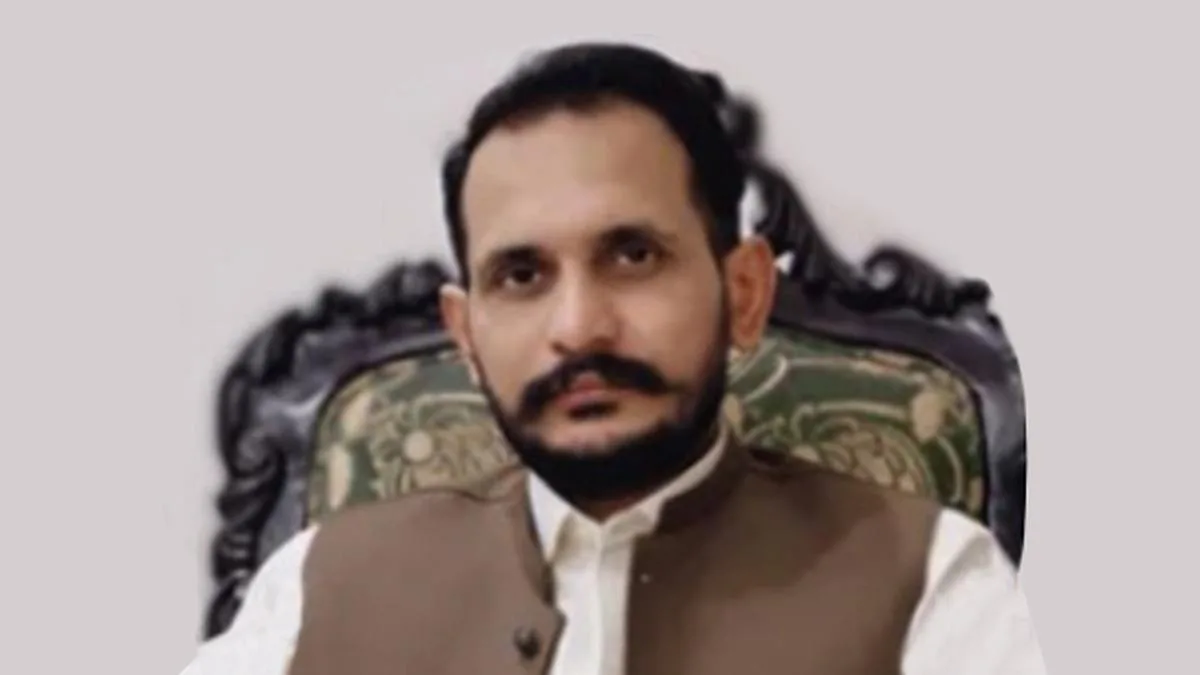
Shahzad Bhatti, the Pakistani gangster at the centre of the recent nationwide counter-terror operation, is also a social media influencer.
During the operation ahead of Independence Day , security agencies had arrested over 200 operatives linked to the Shahzad Bhatti Network, which is backed by Pakistan’s Inter-Services Intelligence (ISI).
Bhatti, who speaks Punjabi and regularly posts videos on Instagram and Facebook, currently operates from the UAE. Over the past one year, he has graduated from “organised crime” to “terror-related activities”, at the behest of the ISI, government sources told The Hindu . Several of his Instagram accounts ending in “333” have been taken down in India.
His earliest association with criminal activities in India started from Punjab and soon spread across 14 States – Uttar Pradesh , Haryana , Delhi , Punjab , Rajasthan , Maharashtra , Uttarakhand , Karnataka , Gujarat , Bihar, Telangana , Himachal Pradesh , Jammu and Kashmir , and Kerala.
The National Investigation Agency (NIA) has registered three cases allegedly involving Bhatti. In June, it searched 18 locations across Punjab and Haryana in connection with terror-gangster network cases linked to him, questioned suspects, seized communication devices, and examined financial transactions.
Describing his modus operandi , a U.P police officer said, “Bhatti contacted young men on social media who liked or commented on his posts. He offered them anything between ₹5,000 and ₹10,000 to put up posters with his image at public places. The posters were meant to instil fear in locals and create a name for him as a gangster. Gradually, he moved from posters to luring young men to throw grenades and plant explosives around critical installations.”
The money was sent directly to the bank accounts of the individuals, primarily from central Asian countries. Since the amount was small, the transactions were not always flagged as suspicious by the banking channels.
After assessing the length a person could go for money, he would assign them other tasks such as placing Chinese-made CCTV cameras outside railway stations, air bases and arterial roads. Their footage would be directly relayed to Pakistan through live-streaming, the officer said.
“In one case, he guided a few men in Punjab on how to make a petrol bomb and an IED by sending them online manuals. In some cases, money was the motivation, while in other cases, the religious sentiments were exploited,” said the officer.
Another police officer said that though he started as a petty gangster, the Pakistani ISI leveraged his identity to lure his contacts in India.
5News aggregated this summary from the outlet’s public feed. The full article, with all the context, is on www.thehindu.com — the content belongs to The Hindu - National.