Assam initiates plan to streamline agarwood industry
Account subscription benefits alongside Premium Stories, Editorials, Opinions and more. Unlock these with Subscription
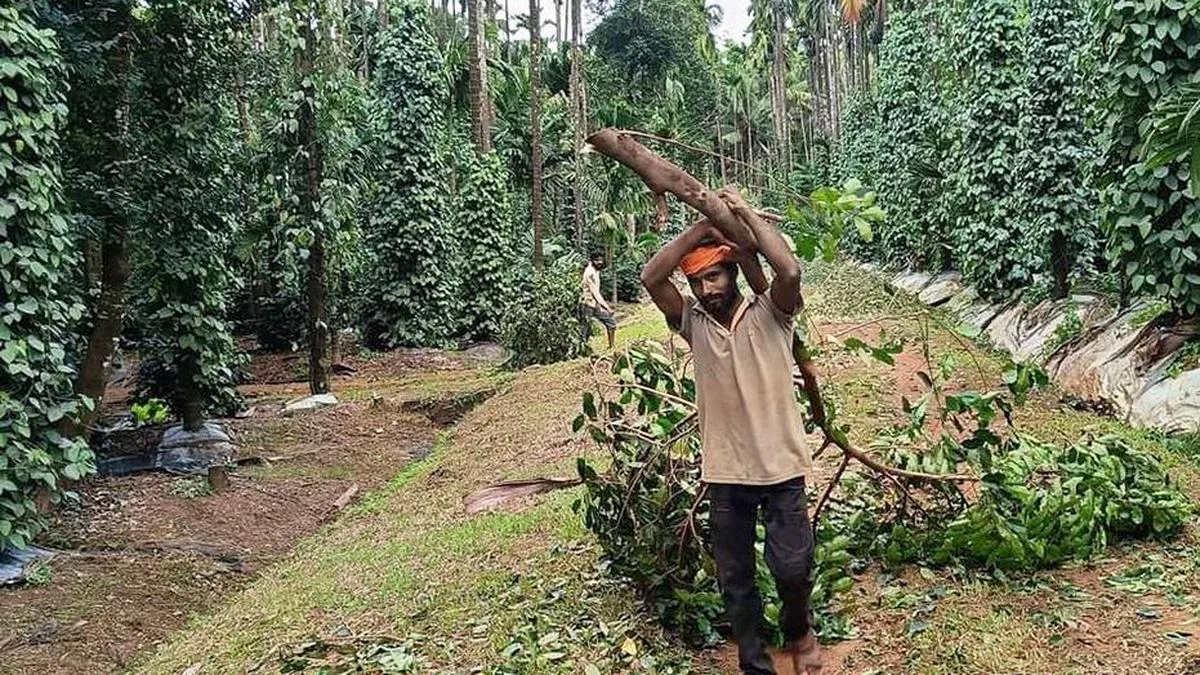
Image used for representative purpose only. | Photo Credit: Special Arrangement
The Assam Government has decided to streamline and expand its agarwood industry, proposing several measures to simplify regulations, strengthen cultivation and processing, and facilitate exports.
These measures were discussed at the first meeting of the Assam Agarwood Task Force and agarwood stakeholders in Guwahati on August 26.
Agarwood is dark, fragrant, resinous heartwood that comes from trees in the genus Aquilaria. These trees have pale, light, and odourless wood, but produce resin when infected by Phaeoacremonium parasitica . This resin yields high-value perfumes.
The meeting brought together agarwood growers, processors, entrepreneurs, traders, exporters, scientists, and researchers.
According to Bimal Bora, Assam’s Industries and Commerce Minister, a key proposal was to establish a systematic mechanism to register agarwood plantations cultivated outside forest areas, accompanied by an awareness campaign to ensure growers understand the regulatory requirements.
“The stakeholders proposed removing agarwood chip and oil processing units from the conventional wood-based industry framework, arguing that cultivated agarwood and its processing have distinct characteristics and requirements,” he said.
Another recommendation was to simplify the issuance of certificates of origin for agarwood cultivated outside forest areas and beyond the prescribed forest proximity zone. In such cases, the certificate could be issued through the District Commissioner or Circle Officer instead of requiring the District Forest Officer-level process in every instance.
“We also discussed removing or reviewing registration fees imposed on cultivated agarwood trees by the Forest Department to encourage farmers to register plantations and bring more of the sector into the formal economy,” Mr. Bora said.
The task force proposed establishing agarwood chip and oil testing facilities at the district level to improve quality assessment and authentication while reducing trade delays.
The stakeholders called for a time-bound mechanism for CITES (Convention on International Trade in Endangered Species of Wild Fauna and Flora) and Directorate General of Foreign Trade permissions, with eligible applications proposed to be processed within 15 days, subject to fulfilment of statutory requirements.
The measures seek to create a transparent and predictable export system that would allow genuine growers, processors, and exporters in Assam to access international markets more efficiently.
The stakeholders recommended that the Centre consider stopping or substantially restricting imports of agarwood, agarwood chips, oil, and related raw materials, subject to national laws, international obligations, and environmental safeguards.
5News aggregated this summary from the outlet’s public feed. The full article, with all the context, is on www.thehindu.com — the content belongs to The Hindu.