Rooftop solar in Tamil Nadu gets a fresh boost
Account subscription benefits alongside Premium Stories, Editorials, Opinions and more. Unlock these with Subscription
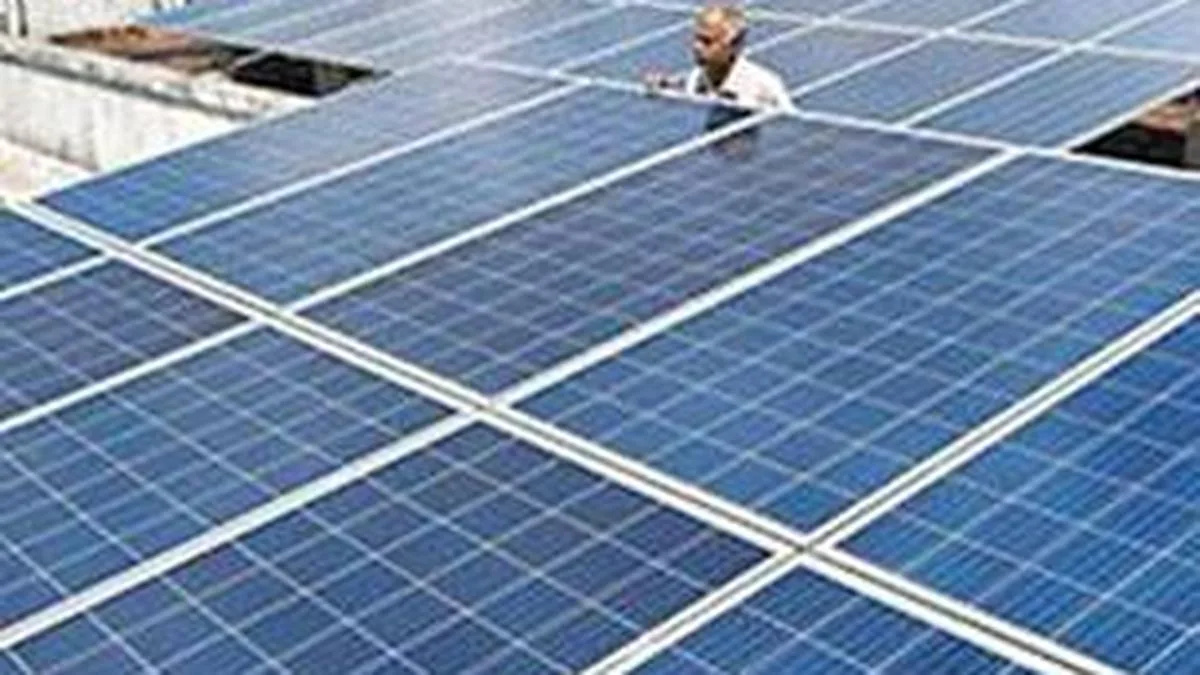
With Tamil Nadu government announcing an additional incentive of ₹22,000 for domestic consumers to instal a solar rooftop, the sun is expected to shine brighter in the state.
Under the PM Surya Ghar: Muft Bijli Yogna, a maximum subsidy of ₹78,000 for solar rooftop capacity of above 3kW is already being given. Combining the two incentives, a beneficiary can receive a total benefit of ₹ 1 lakh.
While those working to promote the renewable energy sector are happy with the announcement made during the Tamil Nadu Budget session held recently and are waiting for the modalities in the scheme to be made clearer, they weigh in with their suggestions.
P. Ashok Kumar, founder-president of Tamil Nadu Solar Energy Developers Association (TNSEDA), has sent a letter to the State Government to modify the scheme in such a way that energy storage devices such as solar batteries and inverters get a push.
“Instead of giving a direct benefit of ₹22,000, the State Government should insist consumers use energy storage devices. My suggestion is to add energy storage to the incentive and train people to use solar power 24x7 even in peak hours to reduce the dependence on Tamil Nadu Electricity Board,” says Ashok.
The current practice in Tamil Nadu is a consumer’s excess solar power is sent to the grid, letting him/her use that credit later instead of paying cash called Net Metering.
TNSEDA representation holds significance as renewable energy alone is not enough to meet growing energy needs. Batteries are said to bolster grid stability and performance, allowing renewables to better integrate into the electrical grid. Energy storage devices will allow the energy generated during peak times to be used at a later time.
Ashok Kumar says such a nudge by the government will reduce the loss incurred by TNEB. “The cost of purchasing peak hour power is high, so the extra incentive should nudge consumers to use solar during peak hours,” he says.
Many states including those leading in solar rooftop adoption like Uttar Pradesh and Gujarat offer subsidy.
Jaideep Saraswat, Associate Director - Clean Power, Electric Mobility and Emerging Technologies, Vasudha Foundation, a non-profit think tank working to advance clean energy and climate solutions, says their experience with accelerating PM Surya Ghar Yogna shows that a subsidy translates into real adoption only when all the pieces fit well.
“This begins with raising consumer awareness on rooftop solar systems and informing consumers about the state subsidy, which improves the payback period for them. Concurrently, vendor capacity must be built to ensure optimised system deployment,” says Jaideep. “Finally, the capacity of all stakeholders needs to be built and everyone must be aligned on increasing rooftop deployment.”
Other suggestions include: speed up approval process and set targets for banks and financial institutions so that more household are able to avail loan for installing solar systems.
When it comes to solar energy, experiencing is believing.
5News aggregated this summary from the outlet’s public feed. The full article, with all the context, is on www.thehindu.com — the content belongs to The Hindu.