South Korea hopes for talks between U.S. and North Korea after Trump downsizes military drills
Account subscription benefits alongside Premium Stories, Editorials, Opinions and more. Unlock these with Subscription
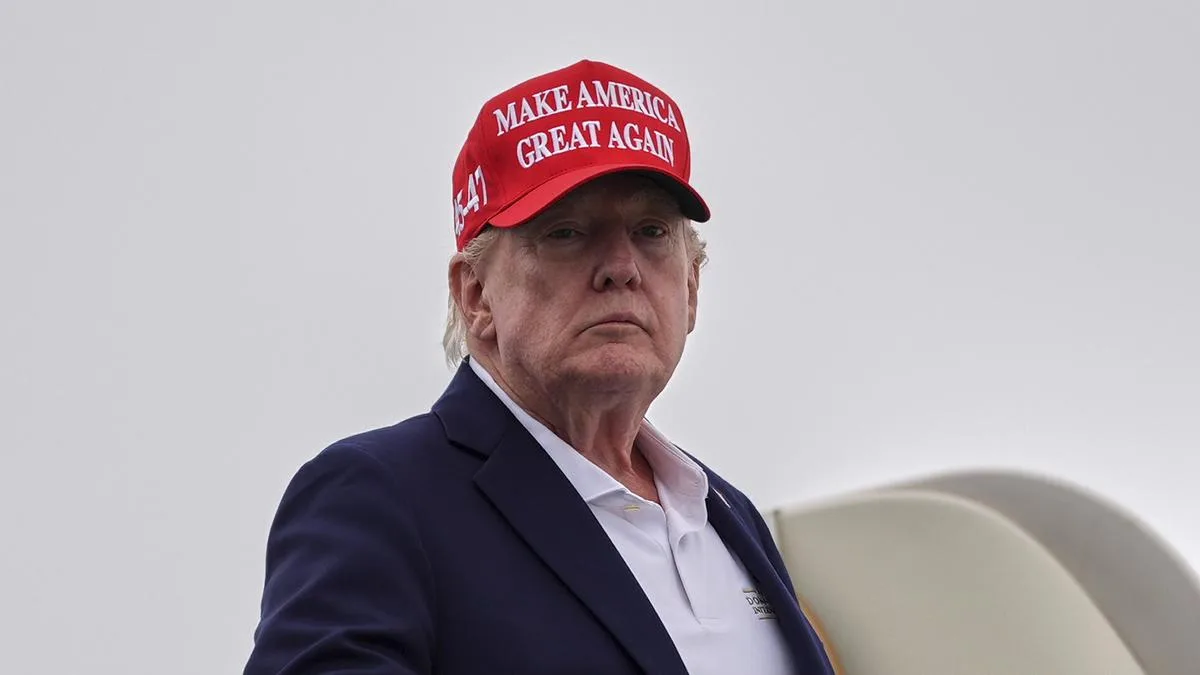
This is not the first time that Donald Trump has sought to end the exercises. During his first term, he also issued a surprise announcement that called the wargames “provocative”. | Photo Credit: AP
South Korea on Monday (August 17, 2026) expressed hopes for the resumption of diplomacy between the U.S. and North Korea to ease animosities on the Korean Peninsula, hours after U.S. President Donald Trump said he had ordered annual U.S. military exercises with South Korea to be scaled back.
Mr. Trump cited his good relationship with North Korean leader Kim Jong Un for the decision. The announcement baffled many in South Korea, a key U.S. ally in Asia where national security is a top priority due to threats from nuclear-armed North Korea.
The 11-day, summertime Ulchi Freedom Shield exercises began on Monday (August 17, 2026) morning as scheduled and it wasn't known which parts of the training were being downsized.
North Korea did not immediately respond to the announcement. North Korea previously threatened strong responses to the U.S.-South Korean exercises, which it views as an invasion rehearsal.
Experts say Mr. Trump's step signals his willingness to reengage with Mr. Kim, but the North Korean leader, now emboldened by his advancing nuclear arsenal and expanding military cooperation with Russia, won't likely return to talks unless he is assured of serious U.S. concessions.
Mr. Trump said in a social media post that the exercises are not only costly but “send a signal that is totally inappropriate and hostile” to North Korea, which he said “has been unthreatening and respectful” during his time in the White House.
Mr. Trump instructed Defence Secretary Pete Hegseth to “substantially reduce” the exercises, he said, adding that he recently asked South Korean President Lee Jae Myung if they would join the U.S. in the “denuclearisation” of Iran, “and they said, No thanks!'” Mr. Trump's move is the latest example of the American president appearing to turn against an ally in favour of a leader cast by previous administrations as an adversary.
Mr. Trump and others in his administration also have railed against NATO allies over a perceived lack of support for his war against Iran, even as they seek to confront an increasingly aggressive Russia in the Baltic region.
The trust many South Koreans have in the U.S. has eroded following a tariff war instigated by Trump's administration and his transactional approach to security.
Mr. Lee's presidential office said later on Monday (August 17, 2026) that South Korea hopes “friendly relationship” between Mr. Trump and Mr. Kim would lead to “meaningful dialogue” between the U.S. and North Korea and start discussions on promoting peace and stability on the Korean Peninsula. It said that South Korea will make necessary diplomatic efforts for that.
South Korea and the U.S.
5News aggregated this summary from the outlet’s public feed. The full article, with all the context, is on www.thehindu.com — the content belongs to The Hindu.