Are eggs bad for your heart? Hyderabad doctor shares what '28 years of data across 185 countries' says
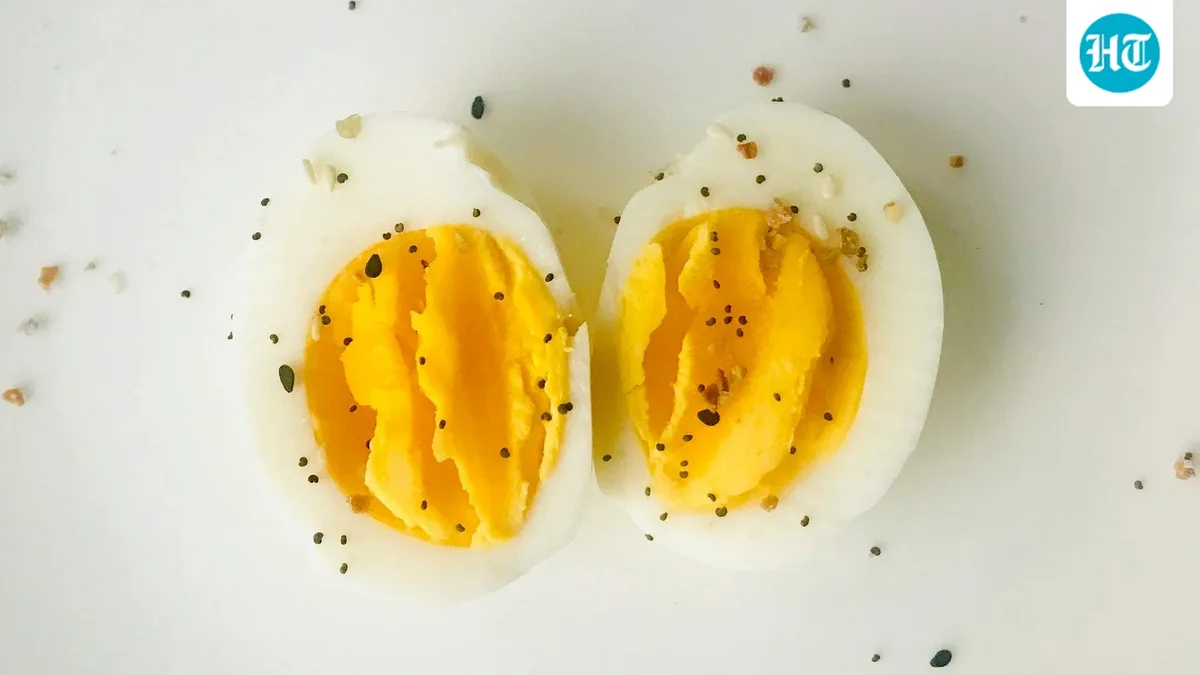
Few breakfast staples have suffered a PR crisis quite like the humble egg. One decade, they’re the gold standard of high-protein morning routines; the next, you’re being warned that eating a single yolk will clog your arteries . Also read | AIIMS-trained gastroenterologist answers 11 questions about eggs: Are they good for losing weight or belly fat?
If you’ve spent years nervously opting for egg whites, top doctors are here to clear the air. Science has evolved, and two doctors — one focused on global heart health and the other on daily bodily performance — are setting the record straight.
For decades, the case against eggs boiled down to a simple formula: egg yolks contain cholesterol, elevated blood cholesterol causes heart disease, so eating eggs must be bad for your heart. On August 28, Dr Sudhir Kumar, a senior neurologist at Apollo Hospitals, Hyderabad, shared a reality check on X. Addressing the classic dilemma, he wrote: "Are eggs bad for your heart? The science says otherwise."
He added, "A major global study analysed 28 years of data across 185 countries. It revealed a significant negative association between egg consumption and both ischemic heart disease (IHD) incidence and IHD mortality. In simple terms, higher egg intake across populations was linked to fewer heart attacks and lower cardiac death rates."
Why the drastic shift in medical guidance? Dr Kumar explained, your body doesn't absorb cholesterol the way we once assumed: "Dietary cholesterol does not correlate with blood cholesterol. For most people, dietary cholesterol has a minimal impact on serum LDL levels. Nutrient powerhouse: eggs deliver high-quality protein, lutein, zeaxanthin, and bioavailable vitamins that support overall vascular health and antioxidant defence."
His takeaway for your morning routine? “Most modern prospective studies and meta-analyses show that consuming moderate amounts of eggs (up to 1 egg/day) is safe and carries no increased risk of heart disease for healthy adults. Don't fear the egg, it is one of nature’s most complete foods.” Also read | ‘Stop storing eggs like this’: Food safety officer reveals right way to store them; common mistakes that spoil eggs
While Dr Kumar highlighted the heart-protective nature of eggs, California-based gastroenterologist Dr Saurabh Sethi (trained at AIIMS, Harvard, and Stanford) took to Instagram in March 2026 to outline what actually happens when you eat eggs every day for two weeks.
"The brain can benefit," shared Dr Sethi, adding, “Eggs are rich in choline, a nutrient used to make acetylcholine.” It's a key neurotransmitter crucial for memory and focus. Echoing Dr Kumar's cardiology insights, Dr Sethi noted, "In many people, eggs can actually increase HDL (high-density lipoprotein), the good cholesterol."
"Egg yolks contain lutein and zeaxanthin. These are the antioxidants that help filter high-energy blue light and support eye health," Dr Sethi explained. Eggs are packed with sulfur-containing amino acids, which Dr Sethi noted help the body 'produce keratin, a type of protein that is vital for healthy hair, skin and nails'.
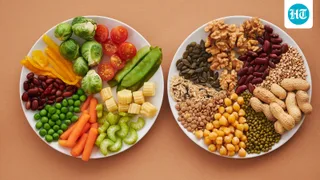
Plant-based? You aren't left out.
5News aggregated this summary from the outlet’s public feed. The full article, with all the context, is on www.hindustantimes.com — the content belongs to Hindustan Times - Health.