Right to practice religion subject to reasonable restrictions in interest of public order: Patna HC
Account subscription benefits alongside Premium Stories, Editorials, Opinions and more. Unlock these with Subscription
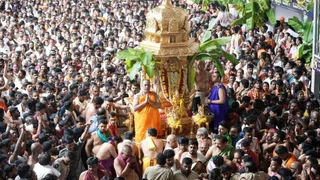
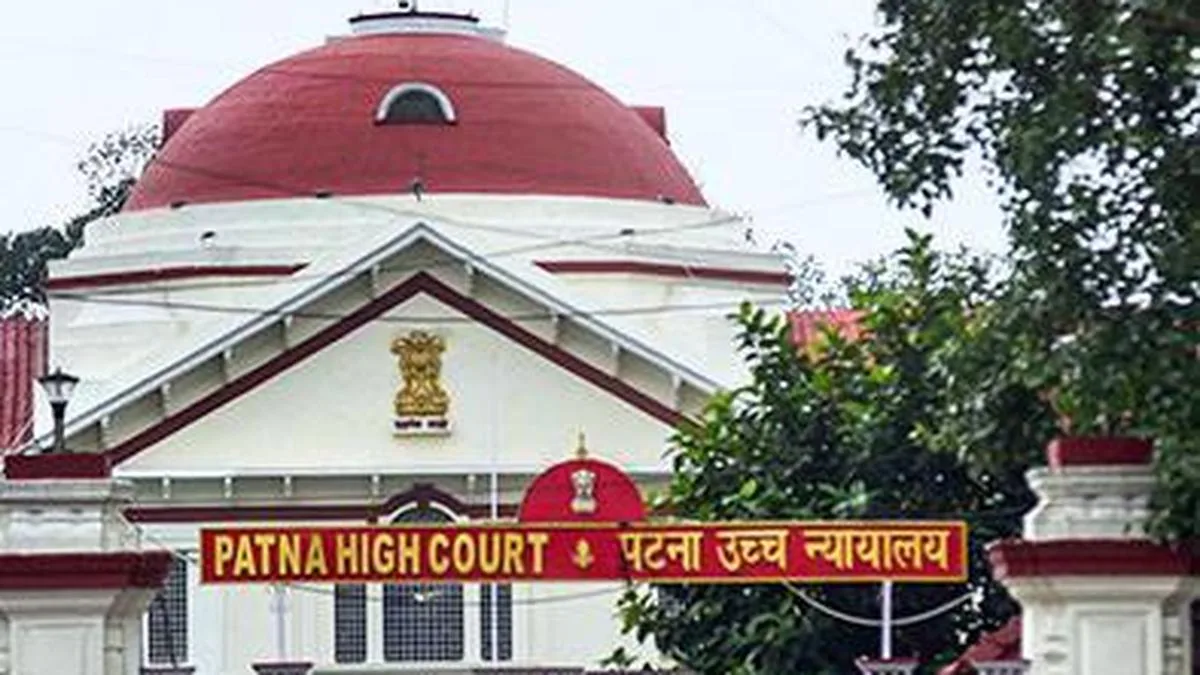
The Patna High Court has said that the right to profess and practise religion is not “absolute” and it could be subject to reasonable restrictions in the interest of public order and societal norms. The court also dismissed a plea, which had sought permission for 300 devotees to take part in an annual religious procession in Bihar’s Siwan district.
“As much as there is need for freedom to practise and profess one’s own religion, there is also the necessity of maintaining public tranquility, particularly in a residential area,” the court observed while dismissing a plea that sought permission for 300 devotees to take part in an annual religious procession in Siwan district.
In its judgment on August 20, 2026, the single Bench of Justice Alok Kumar said that while the right to profess and practise religion, including taking out religious processions, is protected under Article 19(1)(b) and Article 25 of the Constitution, “this right is not absolute”. Referring to earlier judgments, the court said that though Articles 25 and 26 guarantee the freedom of religion, they are subject to “public order, morality and health constraints”.
The court added that the Supreme Court has repeatedly held that freedom of religion is not unfettered and must be harmonised with the rights of others and societal norms. “The constitutional protection extends only to what is essential and integral to the religious practice, not to every mode or manner of its exercise,” the court further observed.
The petitioner had sought a direction to the authorities by the court to allow the annual procession by a local akhara organised on the occasion of the 11 th day of Bhadrapad Krishna Paksha, as per the Hindu calendar, to proceed on its traditional route with at least 300 devotees, the court also held that concerns over any future restrictions on the number of devotees could not be decided on a “hypothetical basis”. “Such restrictions, if any, would depend on the prevailing law and order situation of the locality at the time permission is actually sought and cannot be adjudicated upon the basis of a hypothetical future contingency,” the court observed.
The plea had said that earlier the number of people permitted to participate in the procession has been reduced sharply (from 200 in 2012 to 150 and 100 in the following years and so on) and it also objected to the change in the traditional route of the procession. While arguing that restrictions violated the devotee’s fundamental rights under Article 25, it said that the “traditional routes had never been the subject of any complaint of breach of peace”.
The State, which was a respondent in the case, however, informed the court that the restrictions imposed as a security measure was to maintain law and order. Though the permitted strength of participants in the process had fallen down sharply, the actual participation between 2015 and 2022 in the procession was between 1,700 and 2,000 people.
5News aggregated this summary from the outlet’s public feed. The full article, with all the context, is on www.thehindu.com — the content belongs to The Hindu - National.