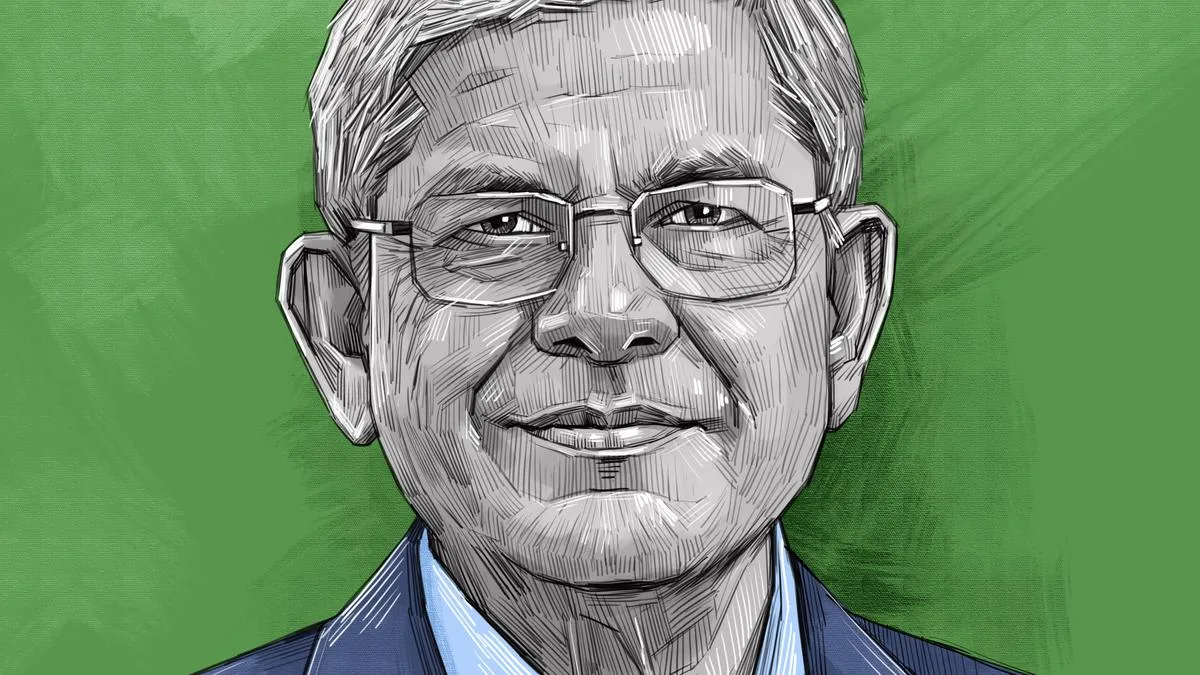
Mirza Fakhrul Islam Alamgir | The man who steadied the ship
Account subscription benefits alongside Premium Stories, Editorials, Opinions and more. Unlock these with Subscription
In 1961, General Ayub Khan’s military government of Pakistan wanted to further entrench its control over East Pakistan and made the celebration of Rabindranath Tagore’s birth centenary illegal. The crackdown had the opposite outcome, as colleges and universities in East Pakistan erupted. The protests shaped a generation of leaders who would take important positions subsequently as Bangladesh became a free country a decade later. Mirza Fakhrul Islam Alamgir, the new President of Bangladesh, graduated from Dhaka University during those early years when agitational politics energised the demand for a new country.
There are many legends about Mr. Alamgir, one of which is that he is a master of marathon meetings, sustained simply by cups of tea. The late Khaleda Zia was also known for her energy and her tireless engagement with the cadre of the Bangladesh Nationalist Party (BNP). But the only other person who used to spend longer hours at the BNP Chairperson’s office in Dhaka’s Gulshan was Mr. Alamgir. In 2015, one night, Begum Zia, on hearing that Mr. Alamgir was leaving the office at 2 a.m., chided him for working so late, as the Sheikh Hasina government had tightened political space and BNP leaders were under pressure. “They can detain you for plotting protests in the city if they find you without adequate party workers around,” Begum Zia told him.
Comments have to be in English, and in full sentences. They cannot be abusive or personal. Please abide by our community guidelines for posting your comments.
We have migrated to a new commenting platform. If you are already a registered user of The Hindu and logged in, you may continue to engage with our articles. If you do not have an account please register and login to post comments. Users can access their older comments by logging into their accounts on Vuukle.
5News aggregated this summary from the outlet’s public feed. The full article, with all the context, is on www.thehindu.com — the content belongs to The Hindu - International.