Sunday, 30 August 2026 SourcesAbout🌓
🇮🇳 IN ▾
BREAKING
These taxpayers can't switch between old and new regimes every year: Know Form 10-IEA rules, deadline and filing process Signs of thaw in CPI-CP(M) feud over Deputy Leader of Opposition post in Keralam Assembly Special SIR campaign: Many polling stations remained locked, BLOs absent V. Kunhikrishnan rejects Pinarayi’s charge, says Payyannur verdict reflects CPI(M)’s failures Nainar Nagenthran accuses TVK-led government of bringing ‘religious politics’ into Assembly KPSC ‘scam’: CID arrests IAS officer Gyanendra Kumar Gangwar Works worth ₹8,022 crore give fillip to Rayalaseema development: Pawan Kalyan Sri Lanka lose Women's Champions Trophy hosting rights Odisha govt employees: Salary may be deducted for unpaid alimony, maintenance; what order means for your money Woman passenger held with suspected ganja in Keralam’s Kozhikode These taxpayers can't switch between old and new regimes every year: Know Form 10-IEA rules, deadline and filing process Signs of thaw in CPI-CP(M) feud over Deputy Leader of Opposition post in Keralam Assembly Special SIR campaign: Many polling stations remained locked, BLOs absent V. Kunhikrishnan rejects Pinarayi’s charge, says Payyannur verdict reflects CPI(M)’s failures Nainar Nagenthran accuses TVK-led government of bringing ‘religious politics’ into Assembly KPSC ‘scam’: CID arrests IAS officer Gyanendra Kumar Gangwar Works worth ₹8,022 crore give fillip to Rayalaseema development: Pawan Kalyan Sri Lanka lose Women's Champions Trophy hosting rights Odisha govt employees: Salary may be deducted for unpaid alimony, maintenance; what order means for your money Woman passenger held with suspected ganja in Keralam’s Kozhikode
Science

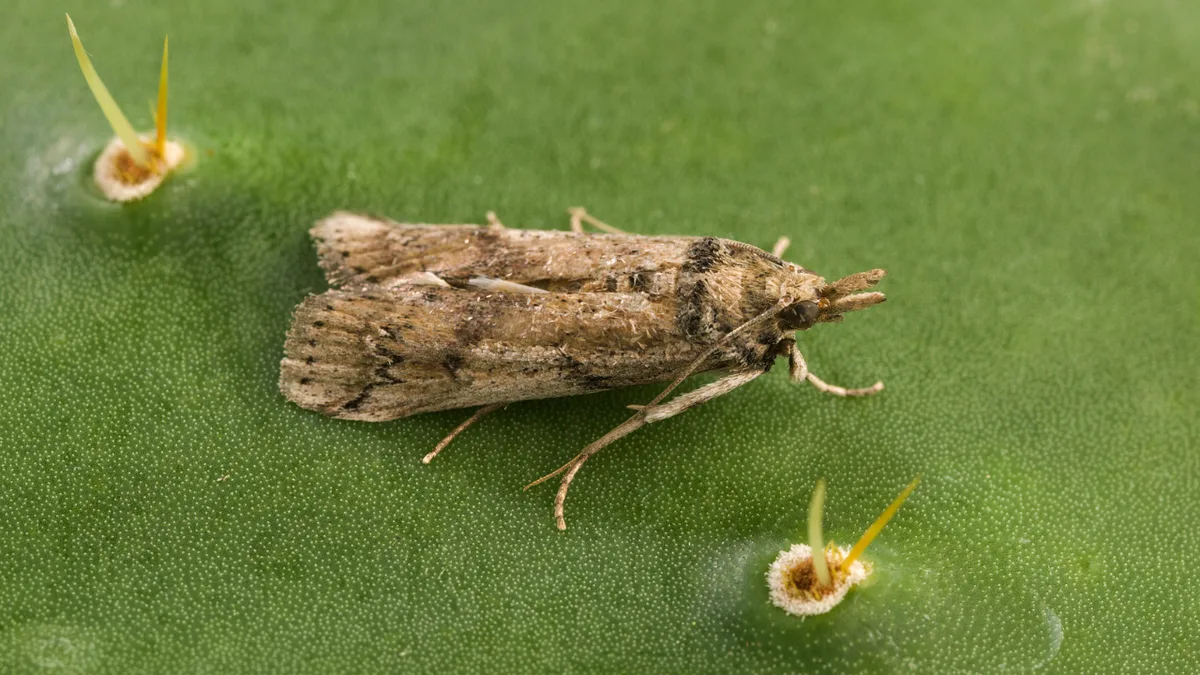
A cactus-eating moth released on Caribbean islands as biological control later reached Florida
Times of India - Science ·
A cactus-eating moth released on Caribbean islands as biological control later reached Florida

The Argentine cactus moth, an invasive species from South America, has begun its march across the southern United States, threatening the delicate balance of native prickly pear cactus populations.

Initially identified in Florida in 1989, its westward movement raises alarms among scientists regarding potential ecological disruptions in the southwestern U.S. and Mexico.

Control measures, including the sterile insect technique, are in place to monitor and manage its spread.

Read the full article on Times of India - Science ›

5News aggregated this summary from the outlet’s public feed. The full article, with all the context, is on timesofindia.indiatimes.com — the content belongs to Times of India - Science.


More from Times of India - Science

See all ›

More in Science

See all ›