KERC drafts ESR 2026: Power cut data on bills, faster connections
Account subscription benefits alongside Premium Stories, Editorials, Opinions and more. Unlock these with Subscription
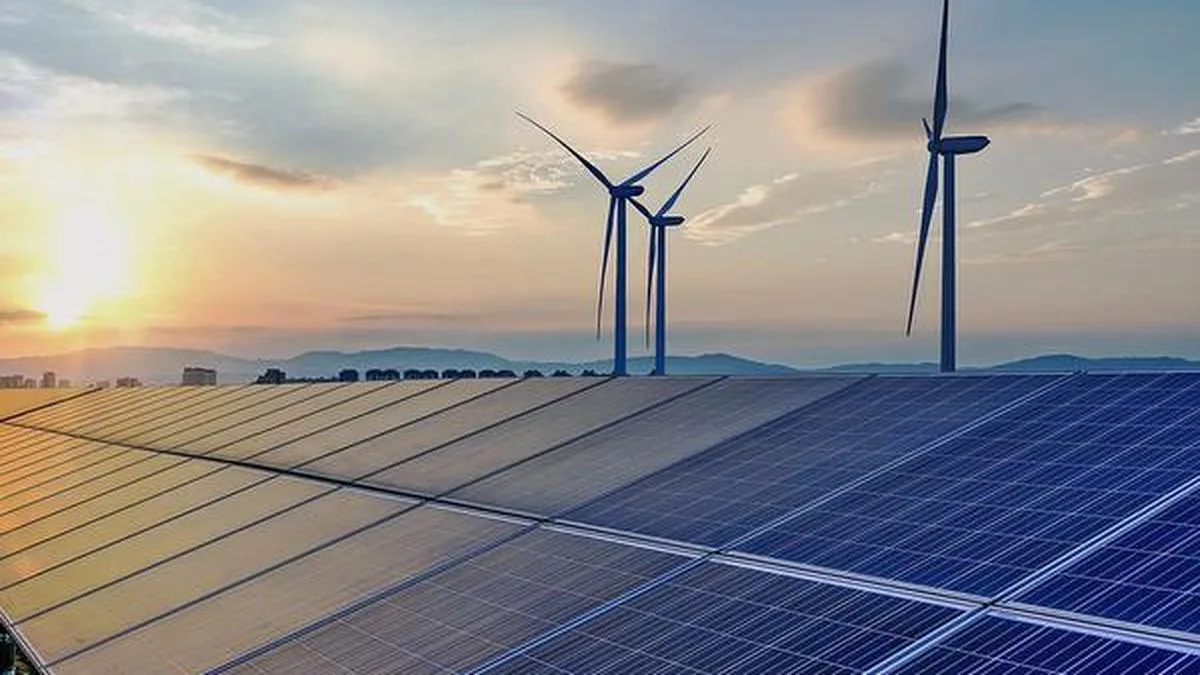
Solar energy panels and wind mills. The new draft rules aim to provide uniform rules for distribution licensees and consumers across Karnataka. | Photo Credit: Photo for representation only
Karnataka Electricity Regulatory Commission (KERC) has published a draft of Electricity Supply Regulations (ESR), 2026, in which it has proposed that all Escoms have to show the frequency of power cuts, total number of hours of power cuts in the electricity bill given to the consumers.
“Particularly, in electricity meters that have got Automated Meter Recording facility, the Escoms have to show the number of times power was interrupted and the total number of hours in the electricity bill. Not just the bill, the Escoms must display it in their websites also. We have brought this change because consumers approach us with complaints and when we enquire with the respective Escoms, they deny power supply was interrupted. Going forward, we will examine the data and from next year, we may issue regulations saying that customers need not pay the bill if the power interruption or cuts exceed a certain limit,” a KERC official told The Hindu .
The new draft rules aim to provide uniform rules for distribution licensees and consumers across the State.
“We have simplified most of the regulations related to applying for new electricity connections. For instance, consumers seeking electricity load up to 150 KW can go for self-certification for Low Tension (LT) connections. Unlike the earlier ESR, they don’t have to approach contractor,” a KERC official said.
Similarly, consumers applying for power connection had to file and sign an agreement with the respective Escoms. “It was a big exercise for consumers to apply for electricity connection and later apply for an agreement. They had to run from pillar to post to get it signed by the Escom official. In the new draft regulations, we have changed it and made it more transparent and have treated this agreement more as a declaration,” the official told The Hindu .
Furthermore, all the applications for new connections henceforth have to be online and there will be no physical application to maintain transparency. The draft also proposed Aadhaar based e-KYC authentication for all electricity connections. This includes attaching all the documents of property ownership, lease agreements, etc.
The KERC has also stated that for connections where no network extension (establishing new power lines, installing cables) is required, supply must be provided within three working days in metropolitan areas, seven working days in municipal areas and 15 working days in rural areas.
The KERC, in its draft regulation, stated that if there are more than one Distribution Licensee operators in the same area of supply, the licensee may recover such tariff as it considers appropriate, subject to the maximum tariff ceiling approved by the commission.
Recently, Tata Power Company Limited (TPCL) had applied for parallel distribution licence which was later withdrawn due to strong opposition from stakeholders.
5News aggregated this summary from the outlet’s public feed. The full article, with all the context, is on www.thehindu.com — the content belongs to The Hindu - National.