Tiruppur Corporation tasks bulk waste generators with processing wet wastes
Account subscription benefits alongside Premium Stories, Editorials, Opinions and more. Unlock these with Subscription
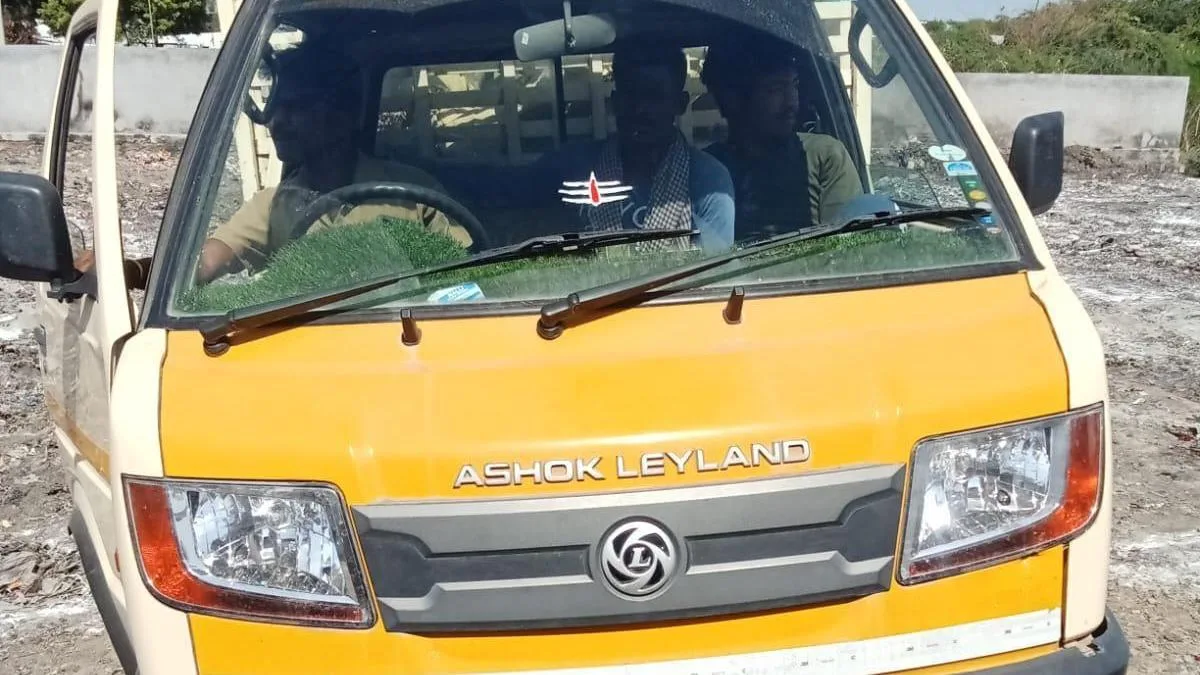
The vehicle seized by Tiruppur Corporation authorities for transporting solid wastes in contravention of specified norms. | Photo Credit: Special Arrangement
Bulk Waste Generators (BWGs) in Tiruppur Corporation limits, classified on the basis of 100 kg waste generation per day, have been mandated with the task of processing wet wastes on their premises, since the start of September.
Entities with premises of 20,000 sq. metre or more, and those consuming more than 40,000 litres of water per day are also classified as BWGs. Dry waste must be handed over to authorised contractors by paying a maximum fee of ₹2 per kg.
The civic body has, with a ‘carrot and stick’ approach, provided the BWGs with the details of the contractors and sanitary officials they could contact for assistance, and also warned them of strict penalties in the event of flouting the specified norms.
For round-the-clock monitoring to prevent littering in the public, the Corporation has formed eight special enforcement teams, which will also check unauthorised display of posters and banners. AI-enabled cameras have been installed at 40 key locations across the city to identify and take action against violators, Corporation Commissioner M.P. Amith said.
Organisations failing to fall in line will face action under Sections 30, 33, and 34 of the Disaster Management Act, that could include immediate disconnection of electricity, drinking water, and underground sewerage connections; and cancellation of Trade Licence
In compliance of Solid Waste Management Rules 2026, the civic body has been undertaking intensive cleanliness drives, removing solid waste on a war-footing. During the last week alone, the Corporation removed 25,500 metric tonnes of waste (3,816 loads) from the dumpsites in the city and restored the spots by planting saplings.
In a few instances, spot fines ranging from ₹5,000 to ₹25,000 were imposed on violators.
Households, residential complexes and commercial establishments have been instructed to segregate wastes mandatorily under four categories: Biodegradable (wet) waste (kitchen and food waste); non-biodegradable (dry) waste (plastic, paper, glass, metal, and textiles); sanitary waste: diapers and sanitary napkins (to be wrapped before disposal; and special care waste (expired medicines, batteries, e-waste, bulbs, paint containers).
While wet waste and sanitary waste will be collected every day, dry wastes will be collected on Tuesdays and Fridays and special care waste on Saturdays.
The system is being implemented on a pilot basis in ward 12 of Zone 1, ward 7 of Zone 2, ward 47 of Zone 3, and ward 37 of Zone 4.
Comments have to be in English, and in full sentences. They cannot be abusive or personal. Please abide by our community guidelines for posting your comments.
We have migrated to a new commenting platform. If you are already a registered user of The Hindu and logged in, you may continue to engage with our articles. If you do not have an account please register and login to post comments.
5News aggregated this summary from the outlet’s public feed. The full article, with all the context, is on www.thehindu.com — the content belongs to The Hindu.