How transplant oncology is rewriting the story of liver cancer
Account subscription benefits alongside Premium Stories, Editorials, Opinions and more. Unlock these with Subscription
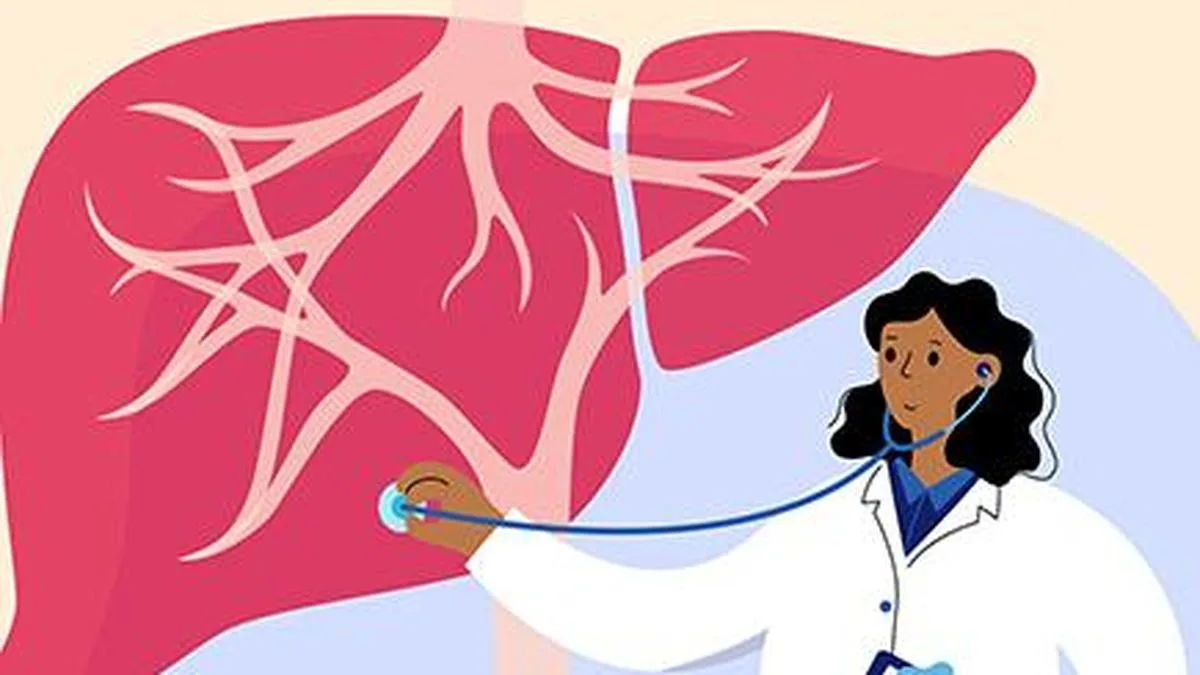
The liver is a large, forgiving organ, but tumours can grow deep within it, spread across both its halves, or take root in a liver already scarred by disease. Up until recently, cutting out the cancer was often impossible without leaving too little healthy liver behind to keep a person alive. Today, however, a growing field known as transplant oncology is changing that.
Instead of trying to cut the cancer out of the liver, doctors remove the entire diseased liver and replace it with a healthy one. The most common type of liver cancer, hepatocellular carcinoma (HCC), is frequently multifocal, meaning it appears in several places at once. A transplant solves both problems in a single operation: it removes every tumour, eliminates the scarred field that keeps producing them, and restores completely normal liver function.
The central challenge of transplant oncology has always been selection. Donor livers are precious and scarce, and a transplant only makes sense if the cancer is unlikely to return. What increasingly matters is a tumour’s biology: how aggressive it is, how it behaves, and how it responds to treatment. This shift is the heart of modern transplant oncology. Teams now weigh blood markers such as AFP (alpha-fetoprotein) and PIVKA-II, patterns seen on PET scans, and the tumour’s grade under the microscope.
One of the most powerful tools in this field is downstaging, which means deliberately shrinking tumours until a patient who was previously ineligible becomes a candidate for transplant. A cancer that shrinks and stays quiet is showing favourable biology. One that keeps growing despite treatment reveals itself as too aggressive for a transplant to help. Roughly half of appropriately selected patients can be successfully downstaged, and those who are then transplanted after a mandatory observation window do strikingly well.
While HCC remains the main indication, transplant oncology is expanding into cancers that were, until recently, considered off-limits. Bile duct cancers (cholangiocarcinoma) are a prime example. For certain patients with tumours at the junction of the bile ducts that cannot be removed surgically, a rigorous protocol combining chemotherapy, radiation, and careful staging before transplant has produced survival rates far beyond what surgery alone could achieve.
Beyond HCC and bile duct cancers, this treatment modality is also relevant to several other complex liver tumours, including intrahepatic cholangiocarcinoma and cancers that metastasise to the liver, such as colorectal liver metastases and neuroendocrine liver metastases. In children, it also plays an important role in the treatment of paediatric liver cancers, including hepatoblastoma, HCC, and hepatic epithelioid hemangioendothelioma.
A 54-year-old man with chronic liver disease arrived with two hepatocellular carcinomas involving the right lobe of the liver. Owing to the underlying chronic liver disease, he was not a suitable candidate for bridging therapy.
5News aggregated this summary from the outlet’s public feed. The full article, with all the context, is on www.thehindu.com — the content belongs to The Hindu - Health.