Choosing the Most Breathable Diaper: Why Breathability Matters as Much as Softness
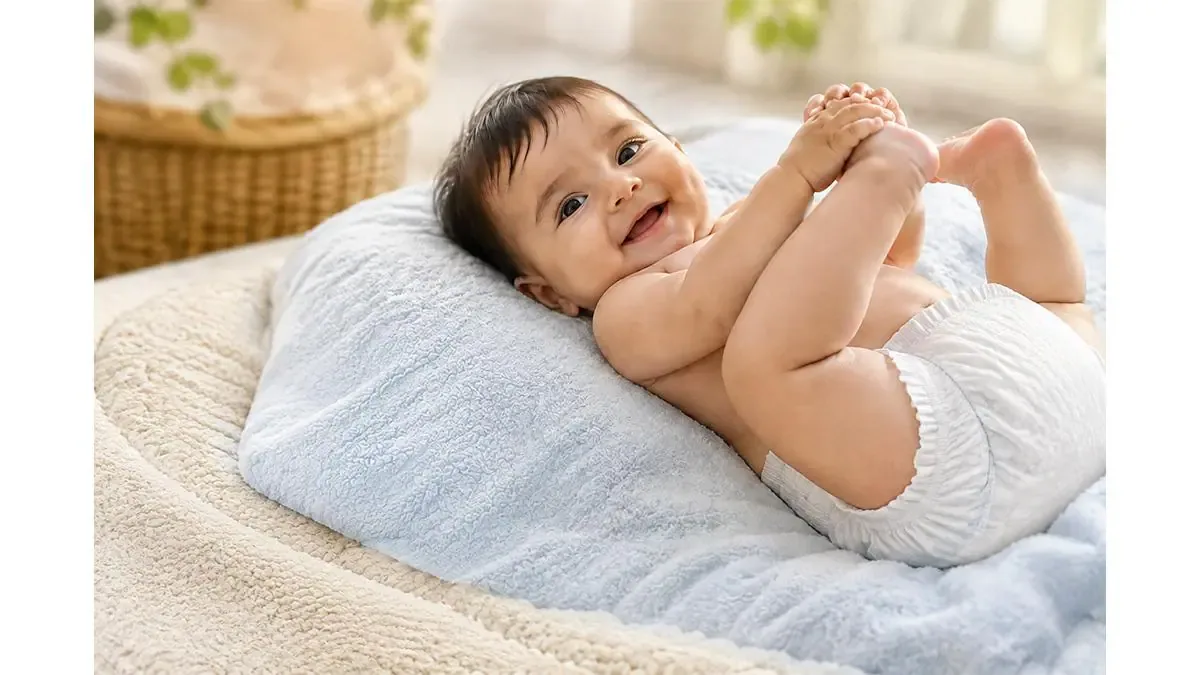
4 min read Last Updated : Sep 01 2026 | 11:48 AM IST When choosing a diaper, prioritising softness while ignoring breathability is a guaranteed recipe for skin irritation.
While a protective garment with a plush, velvet-like inner sheet is soft for a baby’s delicate body surface and prevents scratching, it only solves half the problem.
If the garment lacks proper airflow, it acts like a sealed insulated wrap that traps body heat, sweat, and urine vapour directly against your baby’s body.
To prevent painful rashes and keep your newborn's gentle outer tissue healthy, you need a garment engineered to actively vent internal humidity.
Softness keeps your newborn comfortable in the short term, but breathability is what actually protects their natural barrier around the clock.
Why do Parents Fall for the Softness Trap When Buying Diapers? Parents usually keep opting for smooth absorbent products again and again because smooth fabric feels comforting to human hands, making us assume it is automatically gentle on a child’s prlayer.
However, ultra-plush material that is gentle but not well-ventilated seals in sensitive area heat and moisture, causing the gentle outer tissue to soften up and break down.
We naturally judge absorbent protective product quality by tactile feedback.
A thick, smooth sheet feels safe and luxurious.
But softness only addresses outer friction, and it does nothing to fix internal humidity.
When you look closely at the absorbent garment’s design, the difference between delicate area comfort and ventilation becomes clear: Plush but Sealed Diapers: Feel velvety smooth to touch, but use dense outer layers that lock in humidity, urine vapour, and body warmth.
Modern Breathable Diapers: Combine gentle inner linings with micro-porous channels that let fresh air cycle through constantly.
How Does a Diaper Trap Warmth and Damage Skin? Newborns have a gentle protective membrane that can become irritated when moisture and warmth remain trapped.
Sweat and urine may weaken this layer, making it more sensitive.
5News aggregated this summary from the outlet’s public feed. The full article, with all the context, is on www.business-standard.com — the content belongs to Business Standard.