Sri Lanka’s Human Rights Commission flags enduring militarisation in Tamil-majority areas
Account subscription benefits alongside Premium Stories, Editorials, Opinions and more. Unlock these with Subscription
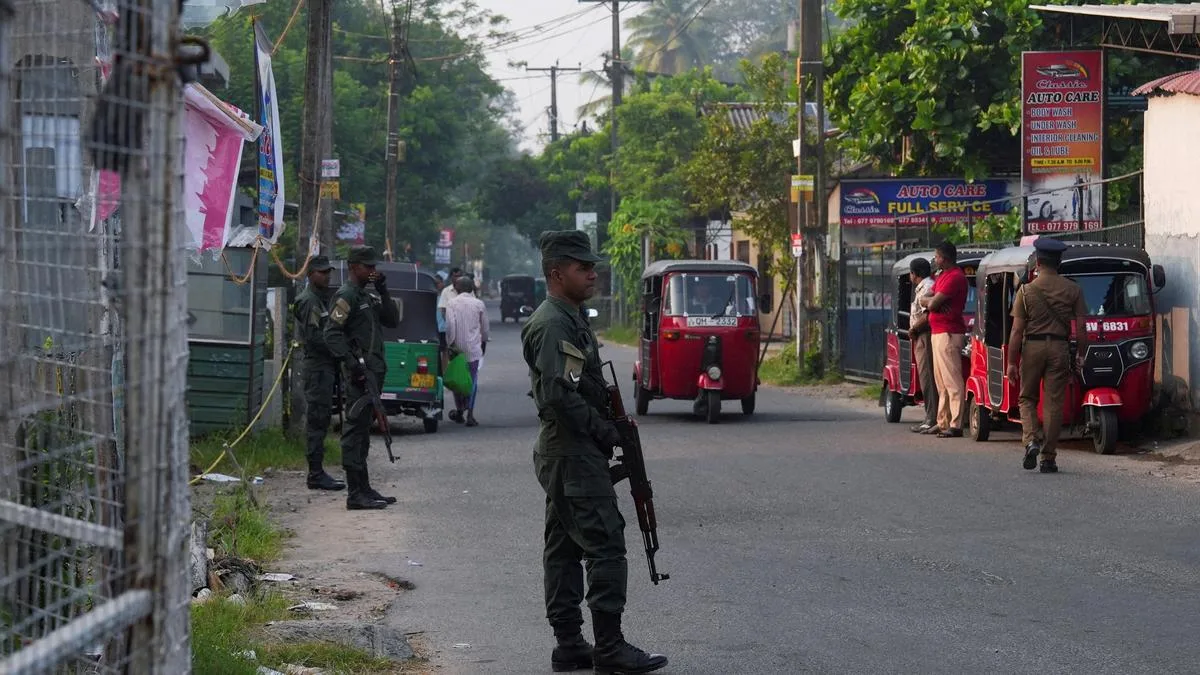
The Human Rights Commission urged the government to expedite the return of military-occupied lands to the people and ensure full restoration of property rights and livelihoods. | Photo Credit: Reuters
Militarisation of Sri Lanka’s Tamil-majority north and east persists 17 years after the end of the civil war, despite many state assurances to reduce the military footprint in the former conflict zone, the Human Rights Commission of Sri Lanka has said.
In a recent report titled ‘The Human Rights Situation of the Northern and Eastern Provinces of Sri Lanka’, the Commission pointed to a “sustained pattern of land appropriation, denial of access to traditional livelihoods, and intimidation of local populations” by the military in the districts across the region.
“Seventeen years after the end of the armed conflict, militarisation remains a persistent feature of governance and land use in the Northern and Eastern Provinces,” the report said, pointing to “repeated assurances” by the state to reduce its military footprint and return occupied lands to their rightful owners.
Also read: Ground Zero | Sri Lanka civil war: 17 years later, the imprints remain
The Human Rights Commission urged the government to expedite the return of military-occupied lands to the people and ensure full restoration of property rights and livelihoods. Further, it emphasised that the government refrain from invoking national security “as a blanket justification for land acquisition”, particularly where such actions disproportionately affect minority communities or facilitate religious encroachment, and “take concrete steps” to withdraw military involvement from civilian economic sectors, especially agriculture and education.
Militarisation is one of the prominent post-war concerns highlighted in the Commission’s report, which looks at wide-ranging issues such as enforced disappearances, mass graves, memorialisation, state surveillance and intimidation, land contestations, resettlement of northern Muslims expelled by the LTTE in 1990, freedom of religion, development projects, and livelihoods.
Residents of the north and east have consistently cited military presence and engagement as an impediment to post-war reconciliation and economic revival. Families — many of whom were displaced during the decades of strife and returned to these areas after the war ended — have been demanding the return of lands, where their homes once stood, or they once farmed.
Return of people’s lands was among the chief promises made by President Anura Kumara Dissanayake to the Tamil people , ahead of the November 2024 general elections. His National People’s Power emerged winner in all but one of the five electoral districts in the north and east.
In August this year President Dissanayake , who is also the Minister of Defence, instructed the security forces to expedite the release and return of land taken over during the war and no longer required for security purposes.
5News aggregated this summary from the outlet’s public feed. The full article, with all the context, is on www.thehindu.com — the content belongs to The Hindu.