How Congo's Ebola outbreak became the second-most lethal on record
Account subscription benefits alongside Premium Stories, Editorials, Opinions and more. Unlock these with Subscription
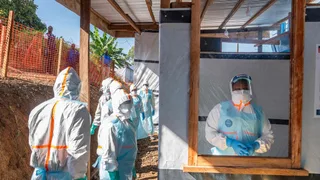
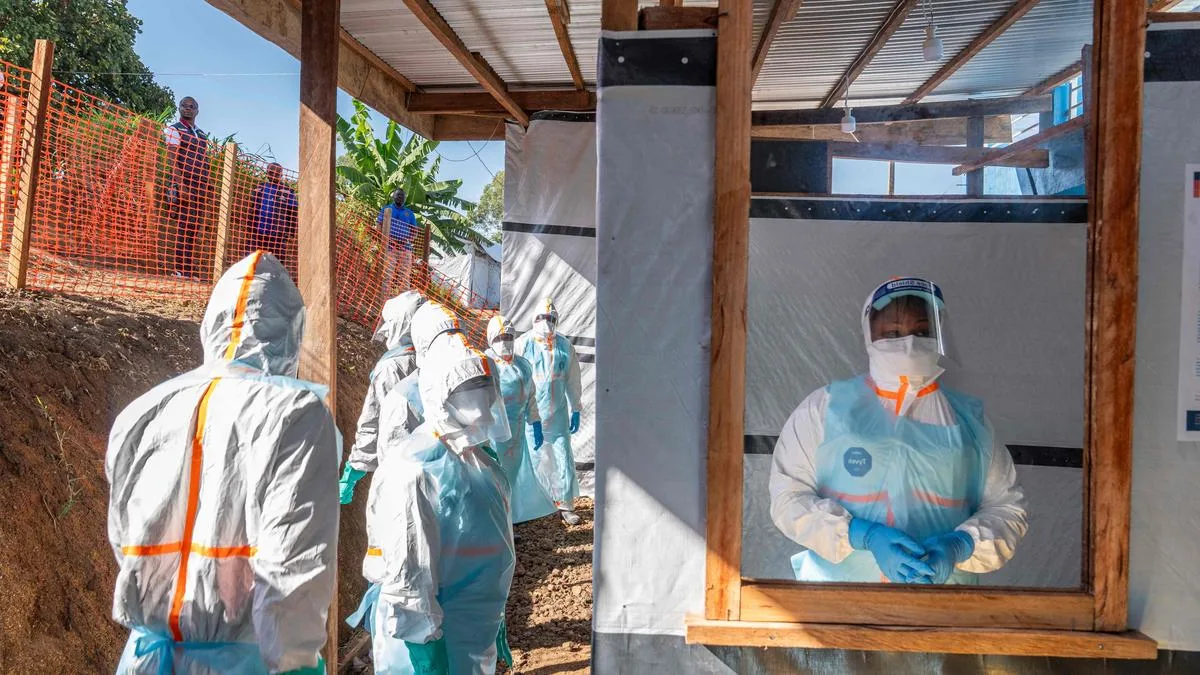
Delayed detection, overwhelmed surveillance teams, armed conflict and a lack of vaccines and treatments for the species of the virus involved have allowed Ebola to outrun containment efforts this time |Image used for representational purpose only | Photo Credit: AFP
The ongoing Ebola outbreak is now the second-most lethal on record and the deadliest in the history of Democratic Republic of Congo. Only the epidemic in West Africa in 2014-16 killed more people.
The grim milestone was reached on Sunday when government data showed that confirmed deaths topped the toll for Congo's 2018-2020 Ebola outbreak, previously the worst the country had seen. Delayed detection, overwhelmed surveillance teams, armed conflict and a lack of vaccines and treatments for the species of the virus involved have allowed Ebola to outrun containment efforts this time.
Health officials say the current outbreak is spreading five times faster than previous outbreaks did in Congo at this stage. There are now 4,945 cases confirmed, including 2,325 deaths, according to the latest data published on Sunday.
The 2018-2020 outbreak in Congo ended with 3,481 cases and 2,299 deaths recorded over two years.
Congo’s Ebola outbreak reaches 5,000 cases as it outpaces response efforts at unprecedented speed
It took more than 10 months to hit 2,000 confirmed cases in that outbreak. The current outbreak reached that figure in roughly two months.
In the West Africa epidemic, the World Health Organization recorded more than 28,000 cases and 11,000 deaths across Liberia, Guinea and Sierra Leone.
The rare Bundibugyo species of the virus spread undetected for months before the outbreak was declared in May. Reuters reported that early cases were missed, some being diagnosed as peritonitis. Local funeral practices helped the virus spread before any alarm was raised, and continue to undermine the response. Health workers initially relied on tests for the wrong species of Ebola and samples sent to Kinshasa were mishandled. A July report published in Science, a peer-reviewed academic journal, concluded that the outbreak had begun at least as early as January on the outskirts of the mining town of Mongbwalu.
World Health Organization officials estimated in July that around 80% of new infections emerged outside known transmission chains, suggesting most cases are identified only after the virus has spread rapidly through communities. Health surveillance teams are overstretched, but undetected transmission can lead to even more cases.
The growing proportion of confirmed Ebola patients dying after an infection is an indication of persistent shortcomings in the response, experts say. The case fatality rate, as this figure is known, has risen from about 20% in early June to 47%, according to government data.
The trend does not indicate the virus has become more lethal.
5News aggregated this summary from the outlet’s public feed. The full article, with all the context, is on www.thehindu.com — the content belongs to The Hindu - Sci-Tech.