Typhoid cases rise slightly in Telangana as dengue, malaria and chikungunya decline

Account subscription benefits alongside Premium Stories, Editorials, Opinions and more. Unlock these with Subscription
Typhoid cases have shown a slight increase in Telangana this year even as cases of dengue, malaria, chikungunya, acute diarrhoeal disease and dysentery have declined compared with the corresponding period last year, according to a note released by the Telangana Health Minister’s office on Saturday (August 29).
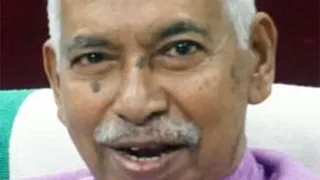
The figures were discussed during a review meeting chaired by Health Minister C. Damodar Raja Narasimha, where officials assessed the seasonal disease situation amid the ongoing monsoon, district-wise trends, fever surveys, mosquito-control measures and the preparedness of government hospitals.
According to the note, a comparison of cases recorded between January 1 and August 27 this year with the corresponding period last year showed a decline in dengue, malaria, chikungunya, acute diarrhoeal disease and dysentery cases. Typhoid cases registered a slight increase. Officials said special attention was being given to areas where disease cases were showing an upward trend.
The Minister instructed health officials to visit districts reporting increases in cases, assess the situation on the ground and take necessary preventive measures. He also directed all government hospitals to remain fully prepared to deal with seasonal diseases and emergencies.
The Minister also called for heightened vigilance against Influenza-Like Illness (ILI) in Telangana in view of rising seasonal influenza and swine flu cases reported in Delhi and Maharashtra. He directed officials to monitor ILI cases reported daily by both government and private hospitals and submit a weekly report to the government. Officials informed the Minister that reagents required for all necessary tests were available and that the seasonal influenza situation in Telangana was currently under control, the note said.
The Minister called for special focus on villages, towns, schools, hostels, construction sites and other high-risk locations. ASHA workers and ANMs were directed to conduct door-to-door visits and create awareness among residents about preventing seasonal diseases and mosquito breeding.
Comments have to be in English, and in full sentences. They cannot be abusive or personal. Please abide by our community guidelines for posting your comments.
We have migrated to a new commenting platform. If you are already a registered user of The Hindu and logged in, you may continue to engage with our articles. If you do not have an account please register and login to post comments. Users can access their older comments by logging into their accounts on Vuukle.
5News aggregated this summary from the outlet’s public feed. The full article, with all the context, is on www.thehindu.com — the content belongs to The Hindu.