Monday, 19 October 2026 SourcesAbout🌓
🇮🇳 IN ▾
BREAKING
› Want to try your luck again? Iran responds to Trump's finish the job threat› Tiger Shroff in car, 5 shots fired, then 3 men flee on bike: New video of attack bid surfaces› Shivakumar told not to engage in scaring sugarcane farmers› Tiranga March held in solidarity with arrested, detained protesters in Bengaluru› CISF to overhaul operational, administrative structure from November 1› Parents of SMA-affected kids in Keralam seek political support for their concerns over generic drug› IIT Palakkad to lead 48-member team to U.P.› KSSP to take up campaigns on public health in Keralam› Woman’s private photos leaked on porn websites after communication service account hacked› Iran's Parliament approves Mehrdad Akhlaqi as Minister of Defence› Want to try your luck again? Iran responds to Trump's finish the job threat› Tiger Shroff in car, 5 shots fired, then 3 men flee on bike: New video of attack bid surfaces› Shivakumar told not to engage in scaring sugarcane farmers› Tiranga March held in solidarity with arrested, detained protesters in Bengaluru› CISF to overhaul operational, administrative structure from November 1› Parents of SMA-affected kids in Keralam seek political support for their concerns over generic drug› IIT Palakkad to lead 48-member team to U.P.› KSSP to take up campaigns on public health in Keralam› Woman’s private photos leaked on porn websites after communication service account hacked› Iran's Parliament approves Mehrdad Akhlaqi as Minister of Defence
Science

SpaDeX sats re-enter Earth’s atmosphere after nearly 21 months in orbit
Times of India - Science ·
SpaDeX sats re-enter Earth’s atmosphere after nearly 21 months in orbit

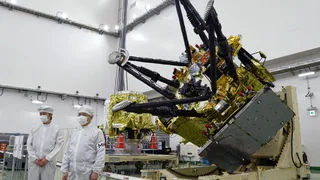
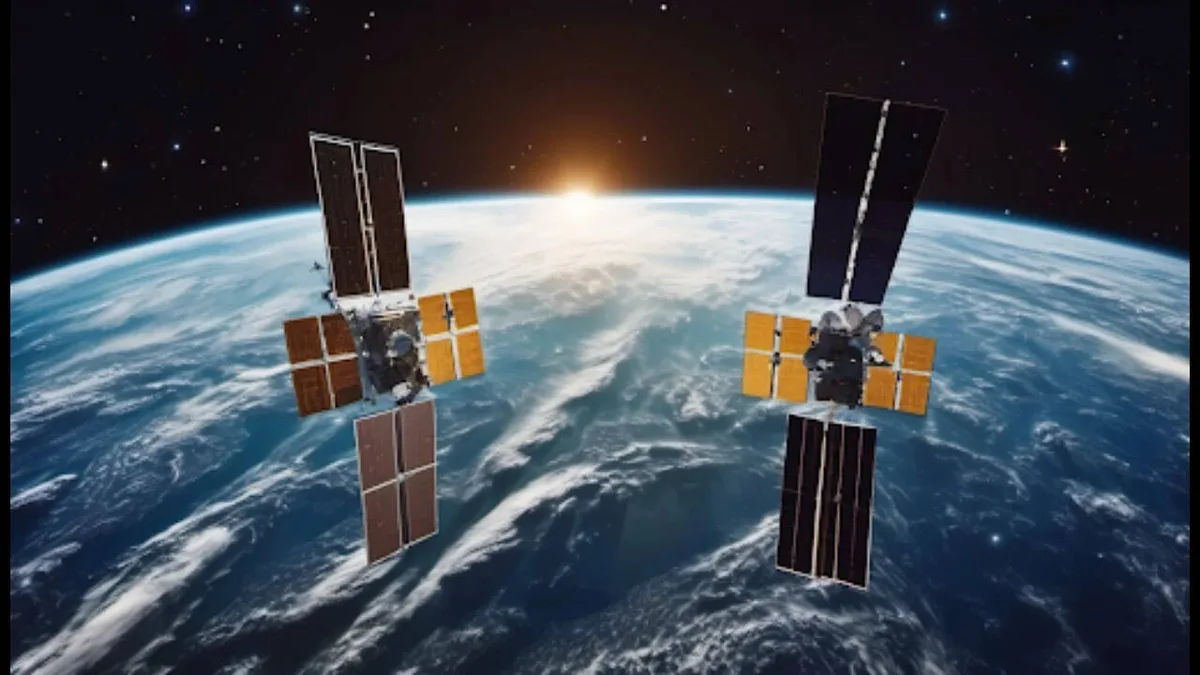
The satellites SDX01 and SDX02 completed their mission by re-entering Earth's atmosphere after 21 months.

They were launched on December 30, 2024, and achieved significant milestones in autonomous docking and power transfer.

During their operation, they demonstrated important capabilities for future missions, including lunar exploration and human spaceflight.

Their orbital altitude progressively decreased, leading to their eventual re-entry.

Read the full article on Times of India - Science ›

5News aggregated this summary from the outlet’s public feed. The full article, with all the context, is on timesofindia.indiatimes.com — the content belongs to Times of India - Science.


More from Times of India - Science

See all ›

More in Science

See all ›