France recalls rare disease drug Tavneos after deaths
Account subscription benefits alongside Premium Stories, Editorials, Opinions and more. Unlock these with Subscription
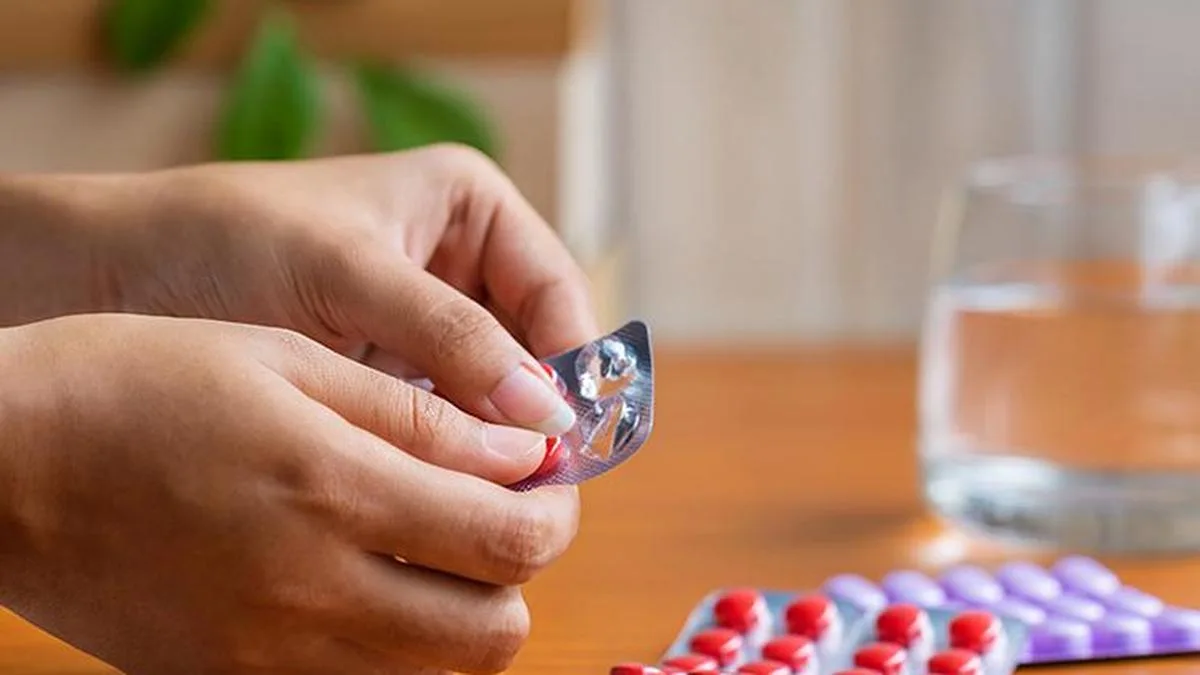
A drug called Tavneos used to treat rare autoimmune diseases will be pulled from the shelves in France, the country's medicine watchdog said Wednesday, after it was linked to 20 deaths in Japan.
"The recall of all batches available in France will begin on August 19," France's medicine safety agency ANSM said in a statement.
The agency noted that the European Commission revoked the drug's marketing authorisation earlier this month because "the benefits are no longer proven to outweigh its risks".
Tavneos is made by the U.S. biotech firm Amgen and is sold by different partner pharmaceutical companies around the world.
It is used to treat adults with severe and rare autoimmune diseases which cause inflammation of the blood vessels.
Kissei Pharmaceutical, which sells the drug in Japan, said in May that 20 deaths had been reported among people using the it since 2022.
The company warned doctors of "the risk of severe liver dysfunction" and asked them to stop prescribing it.
Both Kissei and Amgen said the deaths included cases for which no causal link to the medicine could be determined.
But the warning raised doubts about the rigour of the study that was submitted to various regulatory authorities to determine whether it should be authorised for sale.
The European Medicines Agency reassessed the data and recommended in July that the drug be stripped of its market authorisation.
The European Commission endorsed that recommendation earlier this month.
In France, the drug is prescribed to 600 patients, according to the ANSM.
"Abruptly stopping Tavneos without switching to an alternative should be avoided to prevent the condition worsening," the agency warned, advising patients to consult a doctor about alternatives.
5News aggregated this summary from the outlet’s public feed. The full article, with all the context, is on www.thehindu.com — the content belongs to The Hindu - Sci-Tech.